Long Term Debt Payoff Plans: Must-Have Strategies for Effortless Success
Managing debt can often feel overwhelming, especially when it stretches over many years. Long term debt payoff plans offer a structured and strategic approach to regaining financial freedom without the constant stress. Whether it’s a mortgage, student loans, or other significant debts, creating an effective payoff plan is essential for building a stable financial future. This article explores the must-have strategies for crafting long term debt payoff plans that not only make the process manageable but also set you up for effortless success.
Understanding Long Term Debt Payoff Plans
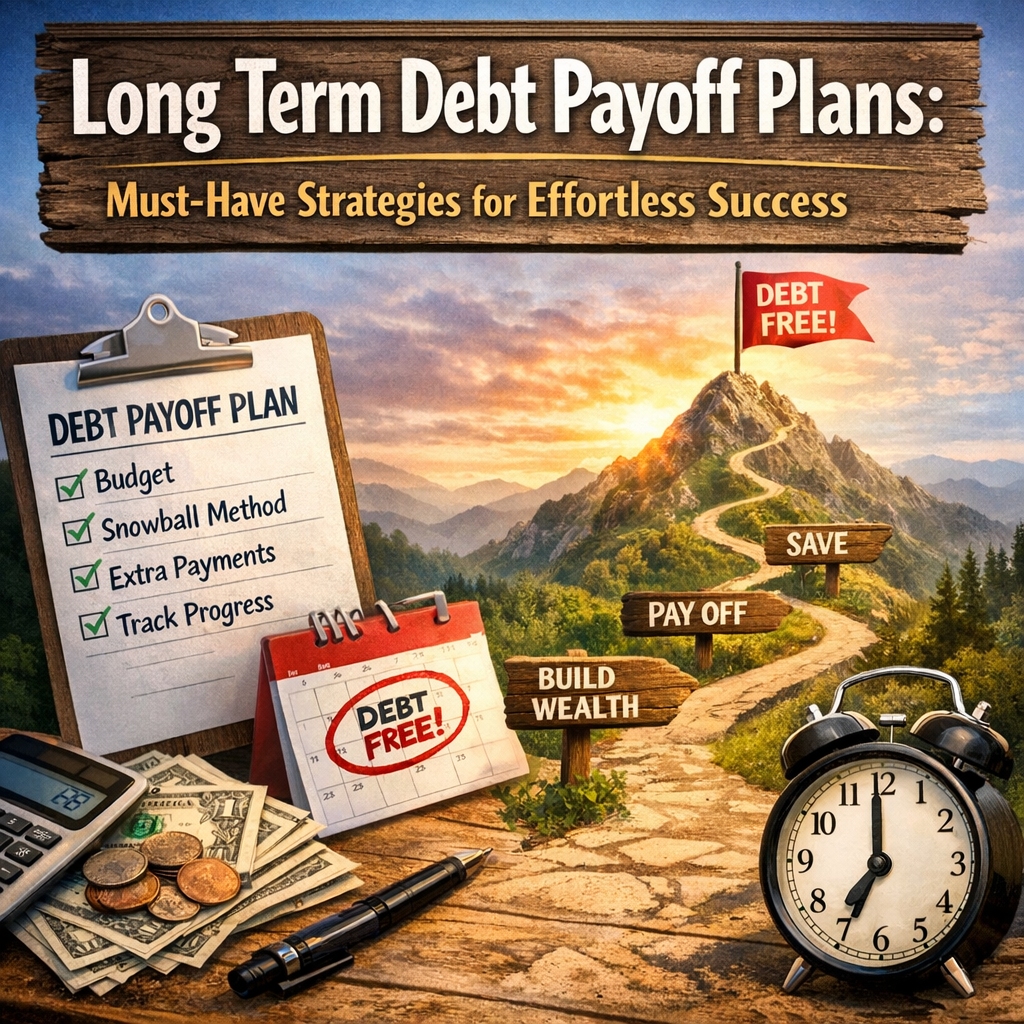
Long term debt payoff plans are designed to help individuals systematically reduce large debts over an extended period. Unlike short-term debt solutions, these plans consider the unique challenges and realities of managing debts that span several years or even decades. Successful payoff strategies prioritize a clear roadmap, consistent payments, and a balanced approach that avoids unnecessary financial strain.
Why You Need a Future Debt Payoff Plan
Planning for future debt payoff is just as crucial as addressing current liabilities. Many people focus solely on immediate debt but overlook how future debt can impact their long-term financial health. A comprehensive understanding of both current and future debt obligations enables better budgeting and prevents surprises that could derail your payoff journey.
Must-Have Strategies for Long Term Debt Payoff Plans
1. Assess Your Total Debt and Interest Rates
Start by compiling a detailed list of all your long-term debts, including principal amounts, interest rates, and payment terms. Prioritize paying off high-interest debts first, as they increase your overall cost significantly over time. Tools like debt calculators can help you visualize the long-term payoff timeline and identify how interest rates affect your payments.
2. Create a Realistic Budget That Supports Debt Reduction
Developing a sensible budget tailored to your income and expenses is vital in long term debt payoff plans. Track your monthly income and essential expenses, then allocate a fixed portion toward debt payments. Make sure to leave room for savings and emergency funds. Sticking to your budget helps maintain financial discipline and avoids new debt accumulation.
3. Use the Debt Snowball or Debt Avalanche Method
Two popular approaches in long term debt payoff plans are the debt snowball and debt avalanche methods:
– Debt Snowball: Focuses on paying off the smallest debts first to build momentum and confidence.
– Debt Avalanche: Targets debts with the highest interest rates first to minimize overall interest costs.
Choose the method that best fits your motivation style and financial situation. Both methods can be highly effective when implemented consistently.
4. Consider Refinancing or Consolidation
Refinancing or consolidating your long-term debts can reduce interest rates and simplify payments. For example, consolidating multiple student loans into a single loan with a lower interest rate can save money and reduce monthly stress. However, weigh the pros and cons carefully, including any fees or extended repayment terms, to ensure it benefits your long-term goals.
5. Automate Payments to Avoid Missed Deadlines
One way to ensure consistent progress in your payoff journey is by automating your debt payments. Setting up automatic transfers can prevent missed or late payments, which could trigger penalties and damage your credit score. Automatic payments also add discipline to your long term debt payoff plans, helping you stay on track effortlessly.
6. Regularly Review and Adjust Your Plan
Life circumstances change, and so should your debt payoff plans. Regularly review your progress and adjust your payment strategies if you experience changes in income, expenses, or interest rates. Flexibility is key to maintaining momentum without becoming discouraged by unexpected life events.
Benefits of Successful Long Term Debt Payoff Plans
Adopting well-crafted long term debt payoff plans offers numerous advantages beyond simply freeing yourself from debt:
– Improved credit score: Consistent payments and lower debt balances enhance creditworthiness.
– Reduced financial stress: A clear plan reduces anxiety and uncertainty about finances.
– More disposable income: As debts decrease, more money becomes available for savings, investments, or lifestyle improvements.
– Financial freedom: Achieving debt payoff provides the freedom to pursue goals like homeownership, entrepreneurship, or retirement.
Final Thoughts: The Path to Effortless Success
Long term debt payoff plans require commitment and strategy, but with the right approach, the process can become manageable and even empowering. By assessing debts, budgeting wisely, choosing effective payoff methods, and staying disciplined, you create a foundation for lasting financial wellbeing. Remember, success in debt payoff isn’t just about speed—it’s about sustainable progress that aligns with your future goals.
If you’re facing long-term debt, start today by crafting a personalized payoff plan. Your future self will thank you for the effort you put in now.