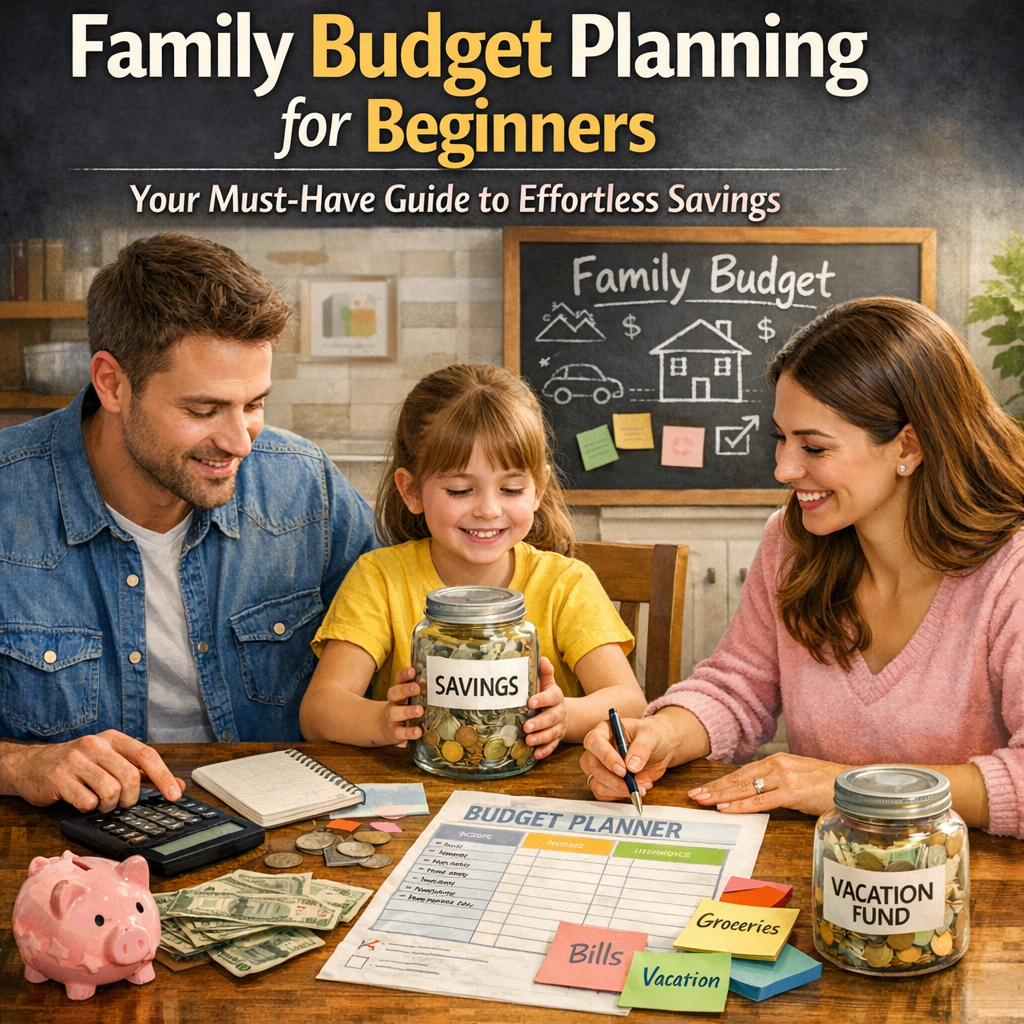
Family Budget Planning for Beginners: Your Must-Have Guide to Effortless Savings
Managing household finances can feel overwhelming, especially if you’re new to budgeting. Family budget planning for beginners is an essential skill that can transform your financial wellbeing, helping you save effortlessly and make the most of your income. Whether you’re just starting a family, merging finances with a partner, or simply looking to take control of your spending, this guide offers practical insights and easy steps to set you on the path to financial stability.
—
Understanding Family Budget Planning for Beginners
Starting a budget can seem daunting, but it doesn’t have to be complicated. Family budget planning for beginners is all about understanding where your money goes and creating a plan that aligns with your family’s priorities. The goal is to track income, control expenses, and allocate funds for savings and future goals without feeling deprived.
A beginner family budget planning approach focuses on realistic and sustainable practices. It encourages you to assess your current financial habits, identify areas where you can cut back, and build a savings cushion without stress. This mindset helps families stay motivated and adapt as their circumstances change.
—
Step-by-Step Guide to Beginner Family Budget Planning
1. Gather Your Financial Information
The first step in beginner family budget planning is to collect all your financial data. This includes:
– Monthly income (after taxes)
– Fixed expenses (mortgage/rent, utilities, insurance)
– Variable expenses (groceries, entertainment, dining out)
– Debts and loan repayments
– Any irregular costs (annual subscriptions, medical bills)
Having a clear picture of your money flow allows you to create a realistic budget.
2. Choose the Right Budgeting Method
There are several budgeting methods to choose from depending on your lifestyle and preferences:
– Zero-based budgeting: Every dollar is assigned a purpose, leaving no money unallocated.
– 50/30/20 rule: Allocate 50% of income to needs, 30% to wants, and 20% to savings or debt repayment.
– Envelope system: Cash is divided into envelopes labeled for different spending categories.
Beginner family budget planning often benefits from the 50/30/20 rule due to its simplicity and flexibility.
3. Set Clear Financial Goals
Setting goals is a motivating factor in any budget plan. Decide as a family what you want to achieve:
– Building an emergency fund
– Saving for a vacation or home renovation
– Paying off debt
– Saving for children’s education
Goals give direction to your budget and help prioritize spending.
4. Track Expenses Regularly
Consistent tracking is key. Use budgeting apps, spreadsheets, or simple notebooks to record your spending daily or weekly. This habit exposes unnecessary expenses and keeps everyone accountable.
5. Review and Adjust Monthly
Life changes, and so should your budget. Regularly reviewing your budget helps you identify what’s working and what’s not. Adapt your plan as incomes fluctuate or needs evolve.
—
Essential Tips for Beginner Family Budget Planning Success
– Communicate Openly: Financial planning works best when all family members are involved. Talk about goals, challenges, and progress together.
– Start Small: Don’t try to overhaul your entire financial life at once. Begin with one or two changes and build from there.
– Build an Emergency Fund: Unexpected expenses can derail your budget. Aim to save at least three to six months’ worth of expenses.
– Avoid Debt Traps: Prioritize paying down high-interest debt to free up funds for savings.
– Celebrate Milestones: Recognizing progress keeps motivation high. Treat your family to a small reward when you hit a savings goal.
—
Overcoming Common Challenges in Beginner Family Budget Planning
Many families face obstacles when they start budgeting, including:
– Variable Income: If your income fluctuates, plan your budget based on the lowest expected income to avoid overspending.
– Impulse Spending: Create a waiting period for unplanned purchases to curb impulse buys.
– Disagreements on Priorities: Use family meetings to compromise and agree on budget priorities.
By anticipating these challenges, your family will be better equipped to maintain a healthy financial routine.
—
Conclusion
Family budget planning for beginners is a vital step toward financial freedom and peace of mind. With a clear plan, realistic goals, and consistent tracking, you can build effortless savings and prepare for your family’s future. Remember, the most effective budget is one that works for your unique situation and can evolve as needs change. Start small, stay committed, and enjoy the journey toward a more secure and confident financial future.