Family Budget Planning Checklist: Must-Have Tips for Best Financial Plan
Creating a family budget planning checklist is an essential step in achieving financial stability and reaching your long-term goals. Whether you’re a young couple just starting out or a family juggling multiple expenses, having a clear financial plan helps you manage income, control spending, and prepare for the unexpected. A well-structured family budget planning plan can reduce financial stress, increase savings, and ensure that every dollar is working toward your family’s priorities.
In this article, we’ll guide you through valuable tips and tools that form the foundation of a smart, actionable budget. By following this checklist, you can set your family on a path to economic well-being and make informed decisions about your money.
Why a Family Budget Planning Checklist Is Important
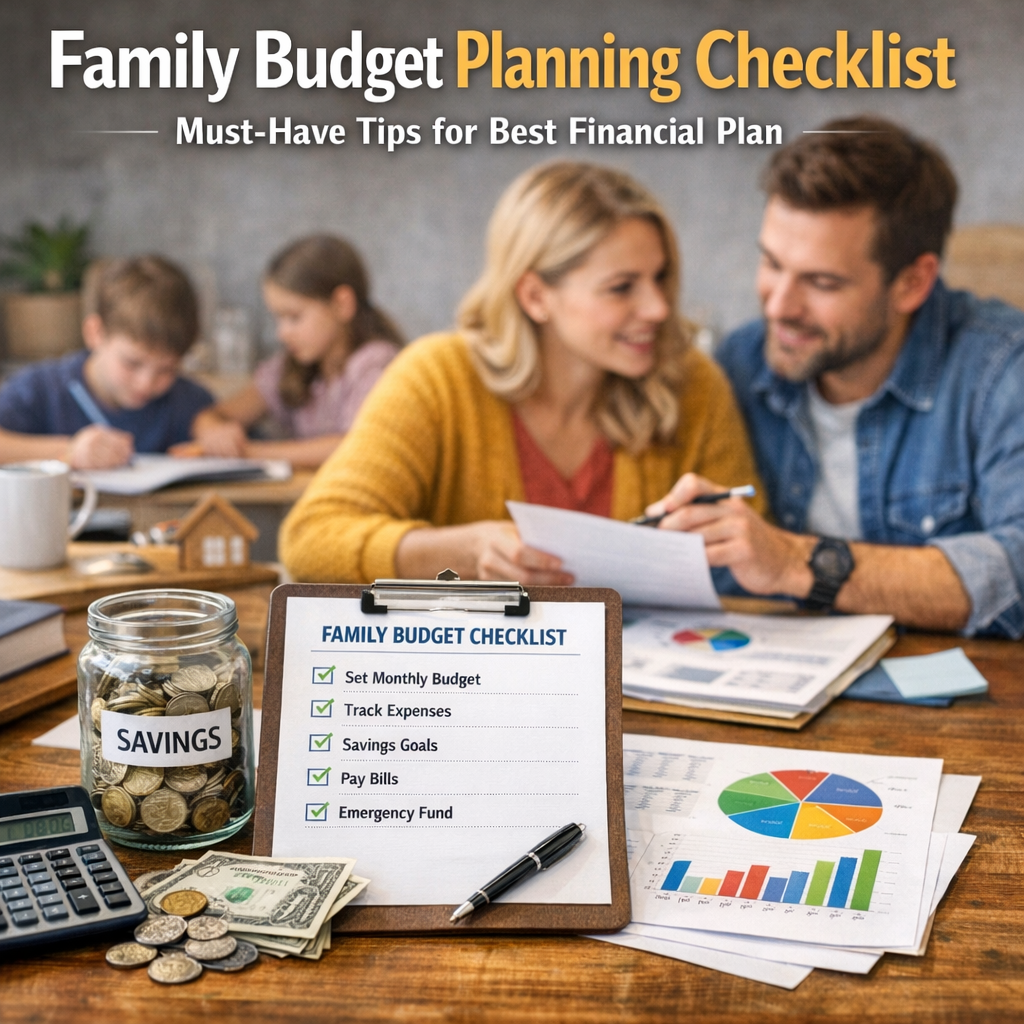
Financial management is often overlooked in the busyness of day-to-day life. However, putting together a budget planning checklist gives you an organized overview of your household’s financial situation. It enables you to:
– Track and categorize income and expenses
– Identify areas to cut unnecessary costs
– Set realistic savings goals for emergencies, education, or vacations
– Make debt repayment structured and efficient
– Teach children the value of budgeting and money management
With a clear plan in place, families can avoid the common pitfalls of impulse purchases or vague financial goals, creating security and peace of mind.
Step 1: Gather Your Financial Information
The first item on your family budget planning checklist is assembling all your financial documents. This includes:
– Pay stubs, business income reports, or other income statements
– Monthly bills such as utilities, mortgage/rent, and loan payments
– Credit card and bank statements
– Receipts for regular purchases
– Insurance policies and tax documents
Having this information at your fingertips will help you analyze your income streams and where your money is going, forming the backbone of your budget.
Step 2: List Your Income Sources
Next, clearly list all your family’s monthly income sources. This may include:
– Salaries or wages after tax deductions
– Government benefits
– Child support or alimony
– Rental income
– Investment returns or freelance earnings
Knowing exactly how much money comes in each month allows you to build a realistic budget that matches your lifestyle.
Step 3: Categorize Your Expenses
A critical part of the family budget planning plan is to categorize expenses. Typically, these fall into two groups:
– Fixed Expenses: Rent/mortgage, utilities, insurance premiums, loan payments, subscriptions
– Variable Expenses: Groceries, transportation, entertainment, dining out, clothing, school supplies
This categorization helps you identify which costs are essential and which could be trimmed or adjusted to increase savings.
Step 4: Set Financial Goals as Part of Your Family Budget Planning Plan
Every successful family budget incorporates specific goals. Ask yourself:
– Do you want to build an emergency fund? How much and by when?
– Are you saving for your child’s college education?
– Planning a family vacation or home renovation?
– Trying to pay down debt faster?
Write down short-term (within a year) and long-term (several years) goals. Goals provide motivation and direction — they transform budgeting from a chore into a purposeful activity.
Step 5: Create Your Monthly Spending Plan
Using your income and expenses data, draft a monthly spending plan. Assign amounts to each category ensuring your expenses don’t exceed your income. A good rule of thumb is to adhere to the 50/30/20 guideline:
– 50% for needs—housing, food, utilities
– 30% for wants—dining out, hobbies, entertainment
– 20% for savings and debt repayment
Adjust these percentages to fit your family’s unique circumstances but keep this framework in mind for balance.
Step 6: Track Spending and Adjust the Budget Regularly
A budget is a living document. Once your monthly family budget plan is in place, use apps, spreadsheets, or traditional notebooks to track spending regularly. This helps:
– Identify overspending early
– See if your savings goals are achievable
– Adjust categories based on changes in income or expenses
Consider scheduling monthly family meetings to review the budget together and encourage transparency and teamwork.
Step 7: Build an Emergency Fund
Unexpected expenses can quickly derail financial plans. Make building an emergency fund a priority in your family budget planning checklist. Aim for at least three to six months’ worth of essential living expenses saved in a liquid, accessible account. This buffer provides cushioning for medical emergencies, car repairs, or job loss.
Step 8: Plan for Debt Reduction
If your family carries debt such as credit card balances, student loans, or car payments, create a clear repayment plan. Prioritize debts with high interest rates first and consider strategies like the debt snowball or avalanche methods. Tracking debt repayment builds momentum and financial confidence.
Step 9: Review and Update Annually
Your family’s financial situation will evolve over time—children grow, careers change, expenses fluctuate. Commit to reviewing your family budget planning plan at least once a year. Update income, goals, and expenses to reflect current realities. This practice keeps your financial plan relevant and effective.
Conclusion
Developing a robust family budget planning checklist is more than just crunching numbers; it’s about building a foundation for financial security and freedom. By gathering information, setting goals, and committing to regular tracking, your family can navigate expenses with clarity and confidence. Remember that flexibility and communication play key roles in successful budgeting. With these must-have tips incorporated into your family budget planning plan, you will be empowered to make smart money decisions today and in the future.