College Savings for Beginners: The Must-Have Guide to Effortless Success
Saving for college can feel overwhelming, especially for those just starting out. College savings for beginners, however, doesn’t have to be complicated or stressful. With the right approach, clear guidance, and practical strategies, you can set yourself or your child on a path to financial security and educational opportunity. This guide is designed to walk you through the essentials of building a college fund, helping you achieve effortless success in your savings journey.
Understanding the Importance of College Savings for Beginners
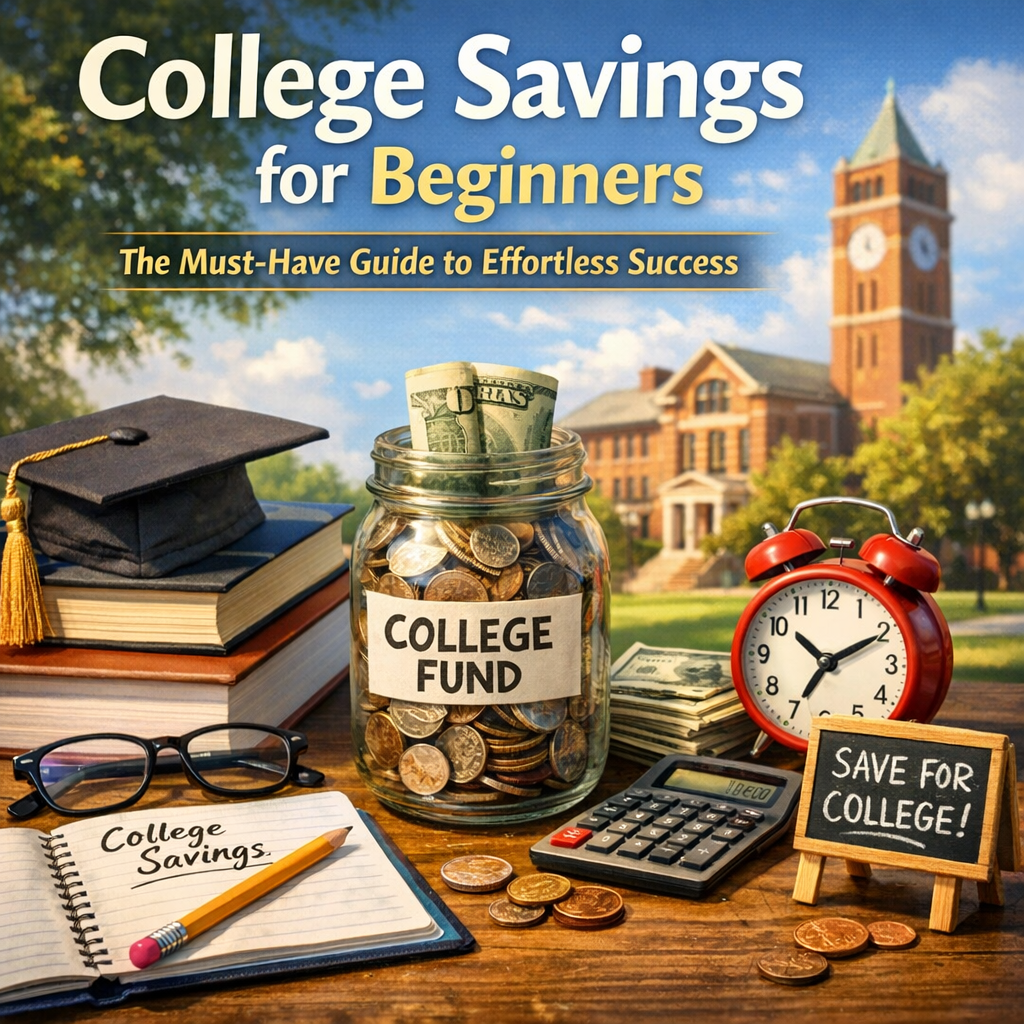
For many families, the rising cost of higher education is a significant concern. Tuition, room and board, books, and other expenses add up quickly, often leaving families searching for ways to manage these costs effectively. Starting early with beginner college savings can make a dramatic difference. The power of compound interest means that even small, consistent contributions over time can grow substantially, easing the burden when the time comes.
Not only does saving for college reduce financial stress, but it also offers flexibility. A well-funded college savings account can help cover unexpected expenses, allow you to consider a wider range of schools, and reduce reliance on student loans.
Exploring Your College Savings Options
When it comes to beginner college savings, there are several popular and effective options to consider. Understanding the benefits and limitations of each can help you choose the right path.
1. 529 College Savings Plans
One of the most popular college savings vehicles is the 529 plan. These state-sponsored investment accounts offer tax advantages, such as tax-free growth and tax-free withdrawals when funds are used for qualified education expenses. Contributions are generally flexible, and many plans offer a range of investment options.
2. Custodial Accounts (UGMA/UTMA)
Custodial accounts allow you to save money on behalf of a minor. While they don’t provide the same tax advantages as a 529 plan, they offer more flexibility in how the funds can be used. The money technically belongs to the child once they reach legal age.
3. Savings Accounts and CDs
Traditional savings accounts and certificates of deposit (CDs) are low-risk and straightforward. While they don’t provide significant growth potential compared to investment-based options, they are a safe place for emergency funds or small savings.
Beginner College Savings Strategies to Maximize Your Goals
Getting started with college savings for beginners involves more than opening an account. Here are some effective strategies that can set you up for success:
Start Early and Set Realistic Goals
The earlier you begin saving, the more time your money has to grow. Even modest monthly contributions can add up over time. Take the time to estimate college costs based on current prices and inflation and set achievable savings goals accordingly.
Automate Your Savings
Automating contributions from your bank account to your college savings plan can make saving effortless. Set up automatic monthly transfers to ensure consistent contributions without having to think about it.
Encourage Family Contributions
Grandparents, aunts, uncles, and family friends often want to contribute to a child’s college fund. Make it easy for them to do so by gifting contributions to your chosen savings account or plan.
Take Advantage of Scholarships and Grants
While not a direct savings strategy, applying for scholarships and grants can significantly reduce college costs, making your savings go further. Encourage students to actively seek out scholarship opportunities.
Common Mistakes to Avoid with College Savings for Beginners
Even with the best intentions, some pitfalls can hinder your college savings efforts. Being aware of these can help you navigate around them:
– Waiting too long to start saving: Time is one of the greatest allies of savings, so delaying can reduce potential growth.
– Underestimating college costs: Make sure to factor in all expenses, including living costs, books, and fees.
– Using high-risk investments without understanding them: While investing can grow savings faster, it requires understanding and risk tolerance.
– Ignoring financial aid possibilities: Savings can affect eligibility for need-based aid, so balance your savings with expected aid.
Tracking Progress and Adjusting Your Plan
It’s important to review your college savings plan annually. College costs can fluctuate, and your financial situation may change. Adjust your contribution amounts or switch investment strategies as needed to stay on track.
Many 529 plans and investment accounts provide online tools that help monitor your progress against your goals, making it easier to make informed decisions.
Final Thoughts on College Savings for Beginners
Embarking on the journey of college savings for beginners may seem daunting at first, but with clear guidance and practical steps, it becomes manageable and even enjoyable. By starting early, choosing the right savings vehicle, automating contributions, and continuously monitoring your progress, you pave the way toward effortless success.
Remember, the goal isn’t just to save money but to empower educational opportunities and reduce future financial stress. Whether you’re saving for your own education or that of a child, harnessing the power of smart, beginner-friendly college savings strategies will make a lasting difference. Start today, stay consistent, and watch your efforts grow into a valuable resource for the future.