How to Improve College Savings: Must-Have Tips for Best Results
Planning for college expenses can feel overwhelming, but knowing how to improve college savings effectively can make a significant difference in managing future costs. With tuition, books, housing, and other fees continually rising, building a robust college fund is more important than ever. Fortunately, with strategic planning and smart saving habits, families can ease the financial burden and secure a brighter future for their students. In this article, we’ll explore essential tips to improve college savings and achieve the best possible results.
Understanding the Importance of Early Saving
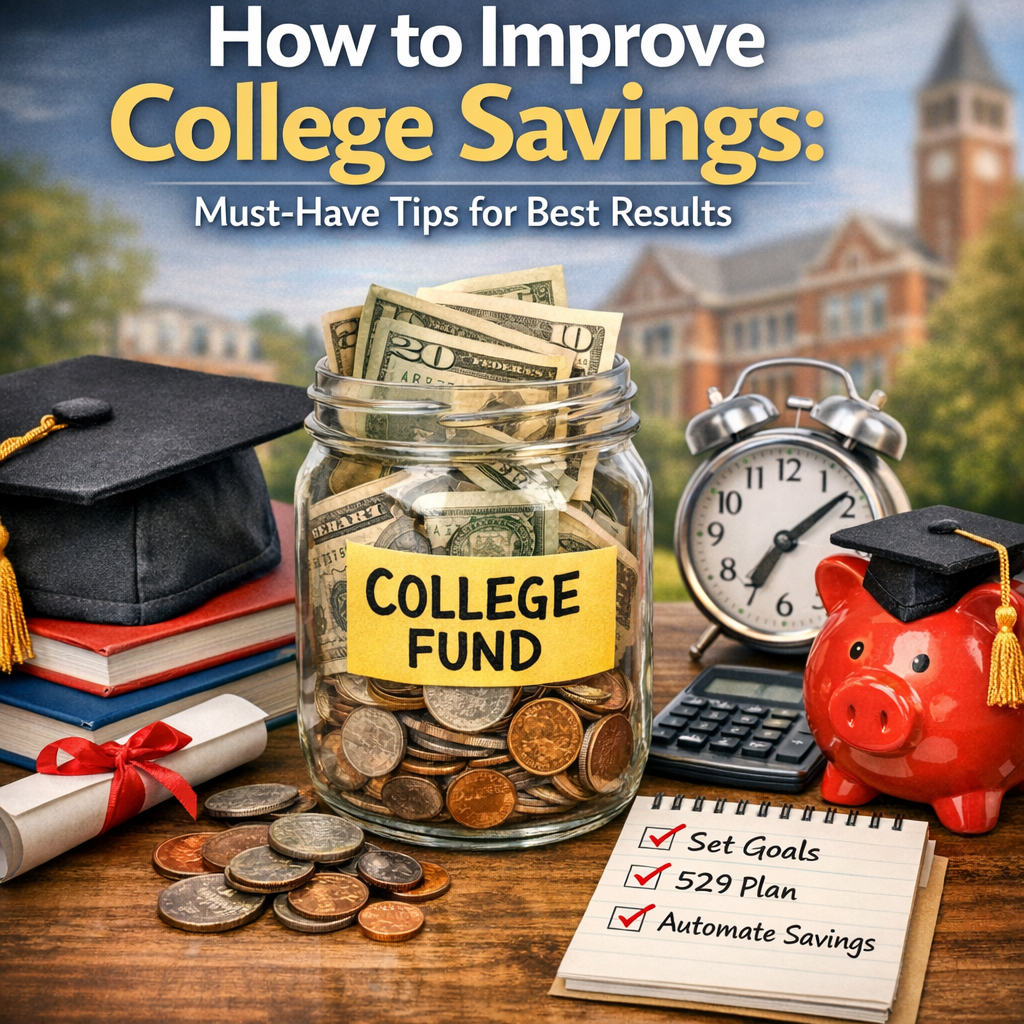
One of the most critical factors when it comes to college savings is starting early. The earlier you begin setting aside money, the more time your investments have to grow through compound interest. Even small contributions can accumulate significantly over time, reducing the amount you might need to borrow later.
When thinking about how to improve college savings, consider creating a dedicated savings account specifically for education expenses. This not only keeps funds separate from everyday spending but also helps you remain disciplined in adding to that fund regularly.
Choose the Right Savings Plan
Selecting the appropriate college savings vehicle is crucial in maximizing the growth potential and tax benefits of your money.
529 College Savings Plans
A popular option for many families is a 529 plan—a tax-advantaged savings account designed specifically for education expenses. Contributions to a 529 plan grow tax-free, and withdrawals used for qualified education costs are not subject to federal income tax.
Coverdell Education Savings Account (ESA)
Another option, the Coverdell ESA, allows for tax-free withdrawals for both K-12 and college expenses. However, the contribution limits are lower compared to a 529 plan, so it might work best as a supplementary savings option.
Custodial Accounts
Custodial accounts like UTMA or UGMA allow parents or guardians to save on behalf of a child. Although they don’t offer tax advantages like 529 plans, these accounts provide flexibility in how funds are used.
Set Realistic Savings Goals and Budget Accordingly
Knowing the expected college costs can help you determine how much to save. Use tools such as college cost calculators to estimate expenses based on different schools and timelines.
Once you have a target amount, create a monthly or yearly savings goal and incorporate it into your budget. Making saving a priority alongside other financial commitments ensures consistent progress toward your goals.
Automate Your Savings
One of the most effective ways to improve college savings is through automation. Setting up automatic transfers from your checking account to your college fund ensures that contributions are consistent and timely. Automation removes the temptation to skip savings, turning it into a seamless habit.
Encourage Family Contributions
When discussing how to improve college savings, don’t overlook the power of collective efforts. Relatives such as grandparents, aunts, and uncles often want to contribute to education costs but may not know how. Directing them toward your chosen savings account—especially tax-efficient options like a 529 plan—makes gifting simple and beneficial.
Explore Scholarships and Grants Early
While this tip doesn’t directly increase savings, actively researching and applying for scholarships or grants can significantly reduce the amount you’ll need to cover with your saved funds. Many scholarships are merit-based but some are need-based or tied to specific talents and interests.
Reduce College Costs Wherever Possible
Improving college savings also involves being strategic about expenses. Encourage your student to consider community colleges, state universities, or in-state options before opting for costly private institutions. Living at home, purchasing used textbooks, and utilizing campus resources can also minimize spending.
Invest Wisely for Growth and Security
If your college fund has a longer timeline, such as 10 or more years, you might consider investing in diversified portfolios that include stocks and bonds. Over time, investments generally outperform traditional savings accounts, helping your money grow faster.
However, as the time to college approaches, gradually shift toward conservative investments or keep funds in cash to protect against market volatility. Consulting with a financial advisor can help tailor the right investment mix based on your risk tolerance and timeline.
Review and Adjust Your Plan Regularly
Finally, how to improve college savings is an ongoing process. Periodically review your savings progress, adjust contributions as your financial situation changes, and stay informed about any updates to college costs or savings plans.
By maintaining a flexible and responsive approach, you increase your chances of reaching your college savings goals and reducing the stress of funding education.
—
Conclusion
Understanding how to improve college savings requires combining early preparation, smart financial products, disciplined budgeting, and strategic investing. Starting early, leveraging tax-advantaged accounts like 529 plans, automating deposits, involving family, and keeping an eye on scholarships are all essential steps in building a solid college fund. With determination and consistency, saving for college becomes less daunting, helping your student focus on what truly matters—their education and future success.