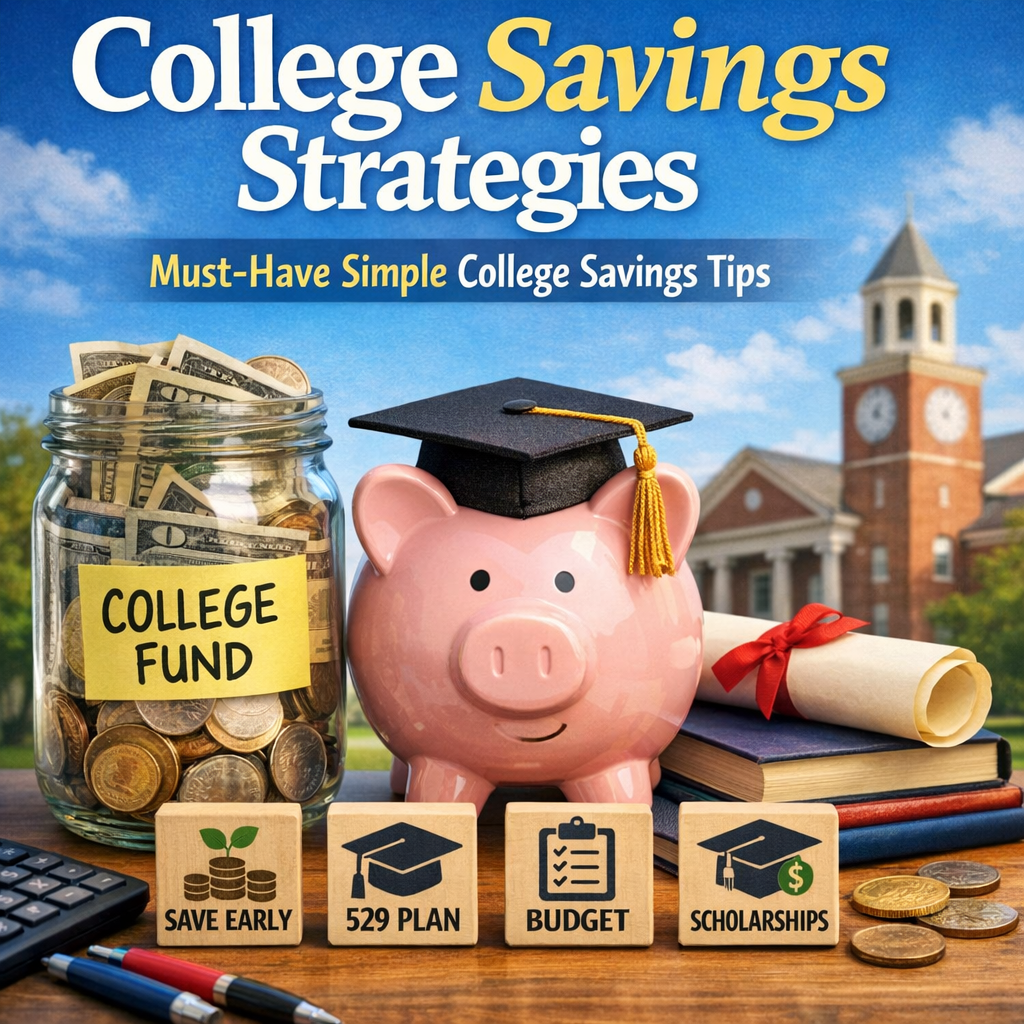
College Savings Strategies: Must-Have Simple College Savings Tips
Planning for higher education expenses can often feel overwhelming, especially with the rising costs of tuition, books, and living expenses. That’s why effective college savings strategies are essential for families who want to ease the financial burden and ensure a smoother path for their children’s academic journey. By adopting simple college savings tips early on, you can gradually build a fund that supports your student’s goals without causing financial strain.
Why College Savings Strategies Matter
College is a significant investment, and with tuition fees continuing to climb, relying solely on loans or scholarships might not be enough. Thoughtful college savings strategies help you prepare in advance, avoid excessive debt, and provide more options for your child’s education. Moreover, having a dedicated savings plan instills financial discipline, making it easier to achieve your goals systematically.
Setting Realistic Goals: The Foundation of Simple College Savings
Before diving into complex plans, start with clear and realistic goals. Determine how much you want to save and when the funds will be needed. Keep in mind that costs differ depending on whether your child plans to attend a public or private institution, live at home or on campus, and the program of study they choose.
Calculating an approximate total college expense helps establish your savings target. For example, if you expect college to cost $100,000 in total, breaking down that amount over several years provides a clearer picture of monthly or yearly contributions required. This targeted approach simplifies decision-making and keeps you motivated.
Explore Different College Savings Strategies
There are various paths available, and understanding each can help you pick what’s best suited to your circumstances:
1. 529 College Savings Plans
One of the most popular options, 529 plans offer tax advantages and flexibility. Contributions grow tax-deferred, and withdrawals used for qualified education expenses are tax-free at the federal level. Many states also provide tax deductions or credits for contributions. These plans can typically be set up easily and adjusted as your child’s needs evolve.
2. Roth IRAs for Education
While Roth IRAs are traditionally retirement accounts, they also allow penalty-free withdrawals on contributions for qualified education expenses. This option is ideal if you want a flexible savings vehicle that serves multiple goals.
3. Coverdell Education Savings Accounts
Coverdell ESAs provide tax benefits similar to 529 plans but have lower contribution limits and specific restrictions. They’re useful if you want additional ways to supplement savings for both K-12 and college education.
4. Regular Savings Accounts and CDs
For those wary of investment risks, traditional savings accounts or certificates of deposit (CDs) can serve as steady, low-risk options. While they may not offer significant growth, their liquidity and security make them practical elements of simple college savings strategies.
Automate Savings to Stay Consistent
One of the best simple college savings tips is to automate the process. Setting up automatic transfers from your checking account to a dedicated college savings account ensures steady progress without needing constant attention. Automating helps reduce the temptation to skip or delay contributions, especially when life gets busy.
Involve Your Child in the Savings Journey
Making college savings a family effort can be both educational and motivating. Teach your child about budgeting, earning, and the importance of saving for their future education. Encourage them to contribute from part-time jobs or gift money they receive on birthdays or holidays towards their college fund. This involvement not only boosts savings but also fosters financial responsibility.
Take Advantage of Financial Aid and Scholarships
While college savings strategies are critical, don’t overlook the potential of financial aid and scholarships. Applying for need-based aid or merit scholarships can significantly reduce out-of-pocket expenses. Be aware that strategic saving can sometimes impact eligibility for need-based aid, so careful planning with a financial advisor may be beneficial.
Monitor and Adjust Your Plan Regularly
Life circumstances and college costs can change over time. Periodically review your savings plan to ensure it remains aligned with your goals. Adjust contributions as needed, whether you can increase them during better financial periods or shift strategies if investment returns differ from expectations.
Final Thoughts on Simple College Savings
Starting early with simple college savings strategies can relieve the heavy pressure that often accompanies paying for higher education. The key is to stay consistent, choose the right savings vehicles, and keep your goals flexible yet clear. Whether you’re just beginning your savings journey or looking for ways to optimize current plans, these practical tips can help secure a brighter academic future for your child without unnecessary financial stress. Taking proactive steps today will pay dividends in years to come.