College Savings Checklist: Your Must-Have Affordable College Savings Plan
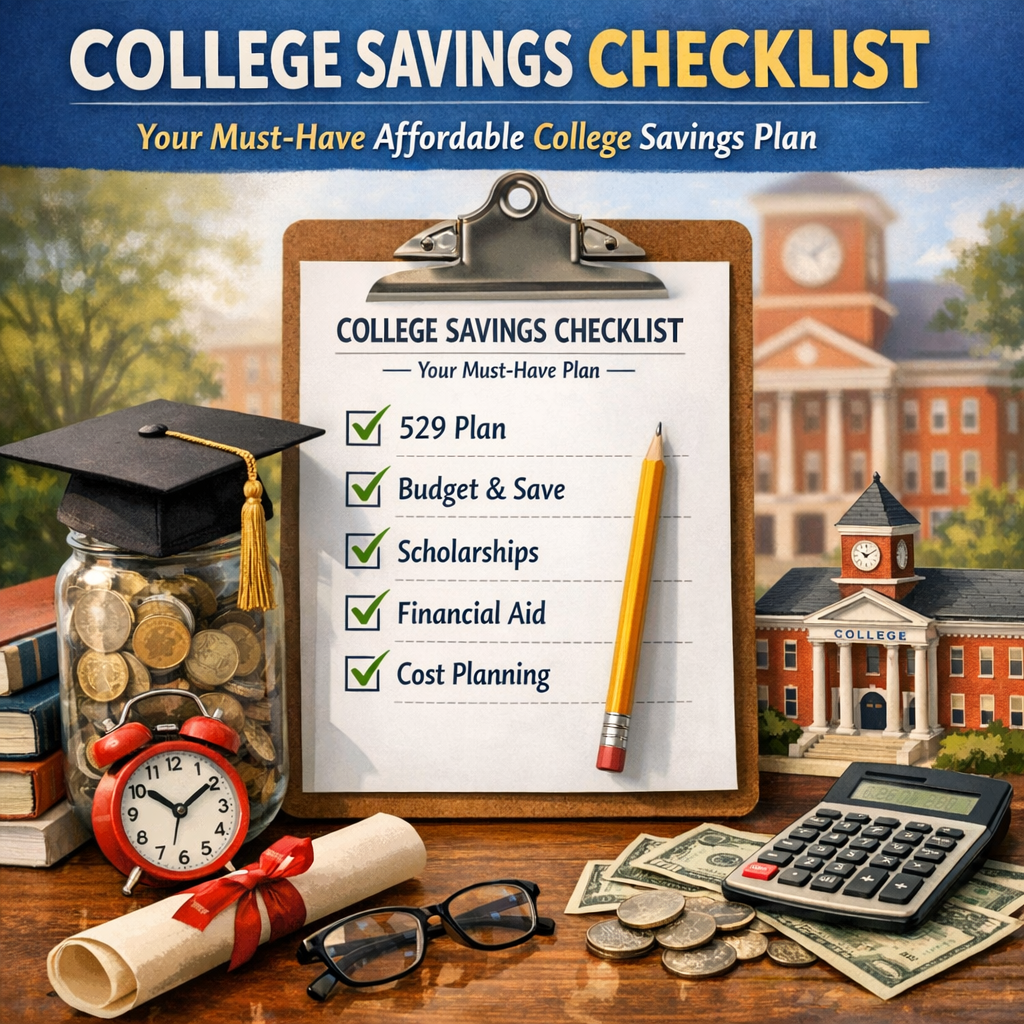
Planning for your child’s higher education can feel overwhelming, especially when trying to balance quality and cost. A well-structured college savings checklist is essential for ensuring you don’t overlook critical steps in creating an affordable college savings plan. By understanding the options, setting priorities, and establishing realistic goals, you can secure a pathway to higher education without derailing your family’s financial stability.
In this article, we’ll guide you through the essential components of a college savings checklist, helping you create an effective and affordable plan tailored to your needs.
—
Why You Need a College Savings Checklist
Saving for college isn’t just about stashing away money; it’s about making informed decisions that maximize your resources and minimize future debt. A college savings checklist helps you stay organized, evaluate all options, and ensure every dollar is optimally used. Whether you’re starting early or catching up later, having a step-by-step plan reduces stress and builds confidence in your ability to fund education costs.
—
Step 1: Assess Your Financial Situation
Before diving into savings vehicles, assess your current financial health. Evaluate your income, expenses, existing debts, and monthly cash flow. Understanding your financial baseline allows you to set realistic contributions toward college funds without compromising other financial goals.
– Review household budget
– Identify disposable income for savings
– Examine emergency savings status—prioritize building a safety net
– Look at other long-term goals such as retirement
This foundational step ensures your college savings plan fits comfortably within your overall financial framework.
—
Step 2: Know the Estimated College Costs
Understanding how much college will cost is crucial for setting targets. Tuition varies widely between public, private, in-state, and out-of-state schools. Additionally, factor in room and board, books, supplies, transportation, and personal expenses.
– Research average tuition fees for potential colleges
– Consider inflation by estimating a 5-7% annual increase in costs
– Use online calculators for projected future college expenses
Having a clear estimate gives you a target savings amount to work toward in your college savings checklist.
—
Step 3: Explore College Savings Plan Options
There are multiple accounts and strategies for saving for college. Understanding each will help you select an affordable and effective plan.
529 College Savings Plan
A 529 plan is a popular tax-advantaged investment account specifically for education expenses. Benefits include tax-free growth and withdrawals for qualified education costs. Many states offer matching grants or tax deductions for contributions.
Coverdell Education Savings Account (ESA)
Ideal for smaller contributions, ESAs have a maximum annual deposit limit but can cover both K-12 and college expenses with tax advantages.
Custodial Accounts (UTMA/UGMA)
These accounts allow you to invest money on behalf of your child, with fewer restrictions than 529 plans. However, earnings and the principal may affect financial aid eligibility.
Traditional Savings Accounts and CDs
While these have lower returns, they offer liquidity and no risk of loss, making them a good option for conservative savers or short-term needs.
Choosing the right vehicle depends on your timeline, risk tolerance, and financial situation. Include these options in your checklist to evaluate their suitability.
—
Step 4: Establish Contribution Goals and Schedules
Once you select your savings vehicle, determine how much to contribute and how frequently. Automating contributions helps maintain consistency and discipline.
– Use your budget assessment to set monthly or annual savings amounts
– Consider lump-sum contributions from bonuses or tax refunds
– Factor in potential growth and interest when setting goals
Setting realistic targets on your college savings checklist ensures steady progress toward your savings objective.
—
Step 5: Monitor and Adjust Your Plan Annually
College costs and family finances evolve over time, so your plan should too. Regular reviews help you stay on track and make necessary adjustments.
– Review investment performance and fees
– Adjust contributions based on changes in income or expenses
– Reassess target college costs and timelines
– Stay informed about new savings programs or benefits
Annual check-ins keep your college savings plan flexible and responsive to changing circumstances.
—
Additional Tips to Maximize Your College Savings
– Encourage Gift Contributions: Let friends and family contribute to a 529 plan instead of toys or gifts.
– Scholarship Awareness: Actively pursue scholarships and grants for the child to reduce out-of-pocket costs.
– Financial Aid Preparation: Understand FAFSA and other aid applications to maximize eligibility.
– Consider Community College: Starting at a community college before transferring can reduce costs significantly.
– Tax Benefits: Consult with a tax advisor to leverage all available education-related tax credits and deductions.
—
Conclusion
An effective college savings checklist acts as your roadmap to building an affordable and sustainable college savings plan. By assessing your finances, understanding costs, exploring savings options, setting clear goals, and regularly reviewing progress, you’ll be well-prepared to face the rising costs of education. Starting early and staying disciplined can make a college degree a reality for your child without overwhelming financial strain.
Remember, saving for college is a marathon, not a sprint. With a solid checklist and thoughtful planning, you can alleviate the burden and help your loved ones achieve their educational dreams.