Travel Budgeting for Beginners: The Ultimate Must-Have Guide
Travel budget planning is an essential skill for anyone eager to explore new destinations without breaking the bank. Whether you’re dreaming of a weekend getaway or an extended international trip, travel budgeting for beginners can help ensure your adventures are both enjoyable and financially manageable. This ultimate guide will provide you with all the tools, tips, and strategies you need to budget effectively, avoid common pitfalls, and make the most of your travel experience.
Understanding the Basics of Travel Budgeting for Beginners
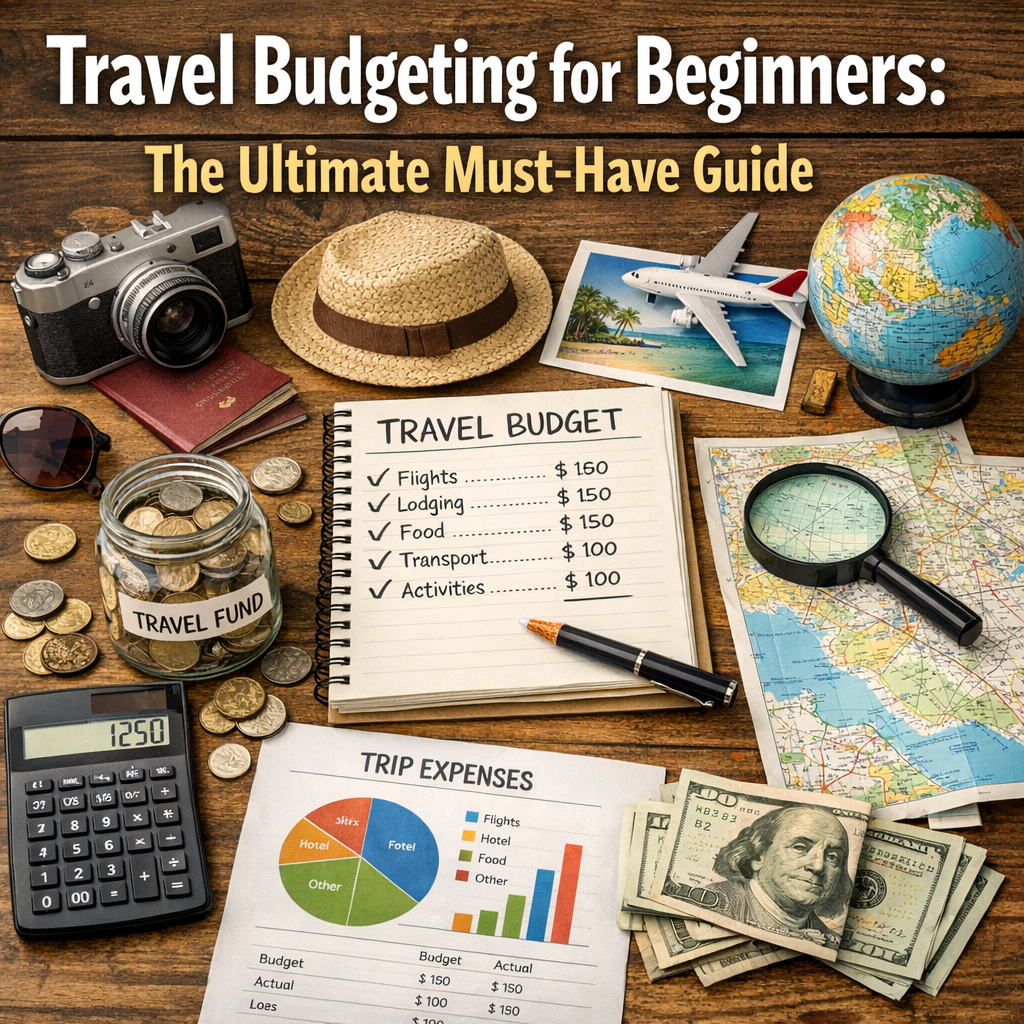
When starting your journey towards smart financial planning for travel, it’s important to understand what beginner travel budgeting entails. At its core, travel budgeting is the process of estimating all possible expenses related to a trip and setting aside enough funds to cover these costs. This proactive approach prevents last-minute scrambles and stress, allowing you to focus on the excitement of your travels.
It’s also crucial to consider both obvious and hidden expenses. Many first-time travelers often allocate funds only for transportation and accommodation but forget about daily expenses, emergencies, souvenirs, or travel insurance. Including all these components in your budget gives you a more realistic view and avoids surprises.
Step-by-Step Guide to Travel Budgeting for Beginners
1. Define Your Trip Objectives
Before crunching numbers, clearly outline your travel plans. Ask yourself:
– Where do I want to go?
– How long will I stay?
– What type of experience am I seeking? (luxury, budget, adventure, cultural immersion)
– What activities or attractions do I want to prioritize?
Answering these questions helps you identify key costs related to your specific trip, making your budget more tailored and accurate.
2. Research and Estimate Major Costs
The largest travel expenses usually include:
– Transportation: Flights, train tickets, buses, car rentals
– Accommodation: Hotels, hostels, vacation rentals, or camping fees
– Food: Dining out, groceries, snacks
– Activities and attractions: Tours, entrance fees, entertainment
Use trustworthy resources such as travel websites, forums, and budget apps to gather current prices. Prices fluctuate based on season, destination, and availability, so plan ahead and try to book early for the best deals.
3. Create a Daily Spending Limit
Once you estimate your overall trip costs, divide the figure by the number of travel days to determine a daily spending limit. This figure can serve as your daily cap for meals, transport inside the city, and miscellaneous expenses. Sticking to this limit prevents overspending and encourages you to make small but mindful choices every day.
4. Account for Emergency and Unexpected Expenses
Beginner travel budgeting should always include a buffer amount—usually 10-15% of your total budget—to cover emergencies like medical issues, lost luggage, or unplanned changes in itinerary. This safety net provides peace of mind, ensuring your trip isn’t ruined by unforeseen costs.
5. Use Budgeting Tools and Apps
Modern technology offers countless budgeting apps designed specifically for travelers. Apps like Trail Wallet, TravelSpend, or even simple spreadsheets can track your expenses in real-time. This helps you monitor your spending trends and adjust if you’re dipping too far below your daily budget.
Tips and Tricks for Successful Beginner Travel Budgeting
Prioritize Flexibility
Being flexible with your travel dates and destination can unlock significant savings. Off-peak travel, mid-week flights, or less touristy locations might offer cheaper options for flights and accommodations.
Consider Alternative Accommodations
Instead of traditional hotels, look into hostels, guesthouses, house-sitting, or even Couchsurfing. These alternatives can drastically reduce your lodging expenses.
Plan Meals Wisely
Eating out for every meal can quickly drain your budget. Shopping at local markets, cooking in hostel kitchens, or packing snacks for day trips can save money and offer authentic local experiences.
Take Advantage of Free Activities
Most travel destinations have free museums, parks, walking tours, or cultural events. Research free or low-cost activities to make your trip enriching without harming your wallet.
Track Every Expense
Many travelers underestimate how small purchases add up. Keeping receipts or regularly logging expenses helps avoid budget creep and ensures you stay on track.
Common Mistakes to Avoid in Beginner Travel Budgeting
– Underestimating Costs: Always overestimate slightly to avoid running short on funds.
– Ignoring Currency Exchange Rates: Fees and poor exchange rates can add hidden costs—research beforehand.
– Not Factoring in Travel Insurance: It’s essential for health and trip cancellations.
– Failing to Save in Advance: Start saving early to accumulate enough funds comfortably.
Final Thoughts on Travel Budgeting for Beginners
Mastering travel budgeting for beginners transforms travel dreams into achievable plans. It empowers you to travel confidently, knowing you’ve covered all the bases. By following this guide, setting a realistic budget, and maintaining discipline, you’ll enjoy your trips without money-related worries. Remember, effective budgeting isn’t about restricting your fun; it’s about managing your resources wisely to have the best possible experience.
With practice, these budgeting habits will become second nature, paving the way for many exciting journeys ahead! So start planning today and watch your travel goals take flight sustainably.