Travel Budgeting Checklist: Your Must-Have Affordable Travel Plan Guide
Planning a trip can be one of the most exciting experiences, but without a proper travel budgeting checklist, expenses can quickly spiral out of control. Whether you’re setting off for a weekend getaway or an extended international adventure, having a well-structured travel budgeting plan is essential to help you manage costs, avoid financial stress, and make the most out of your journey.
In this guide, we’ll walk you through a comprehensive travel budgeting checklist to ensure every aspect of your trip is accounted for, enabling you to travel affordably and confidently.
Why a Travel Budgeting Plan is Essential
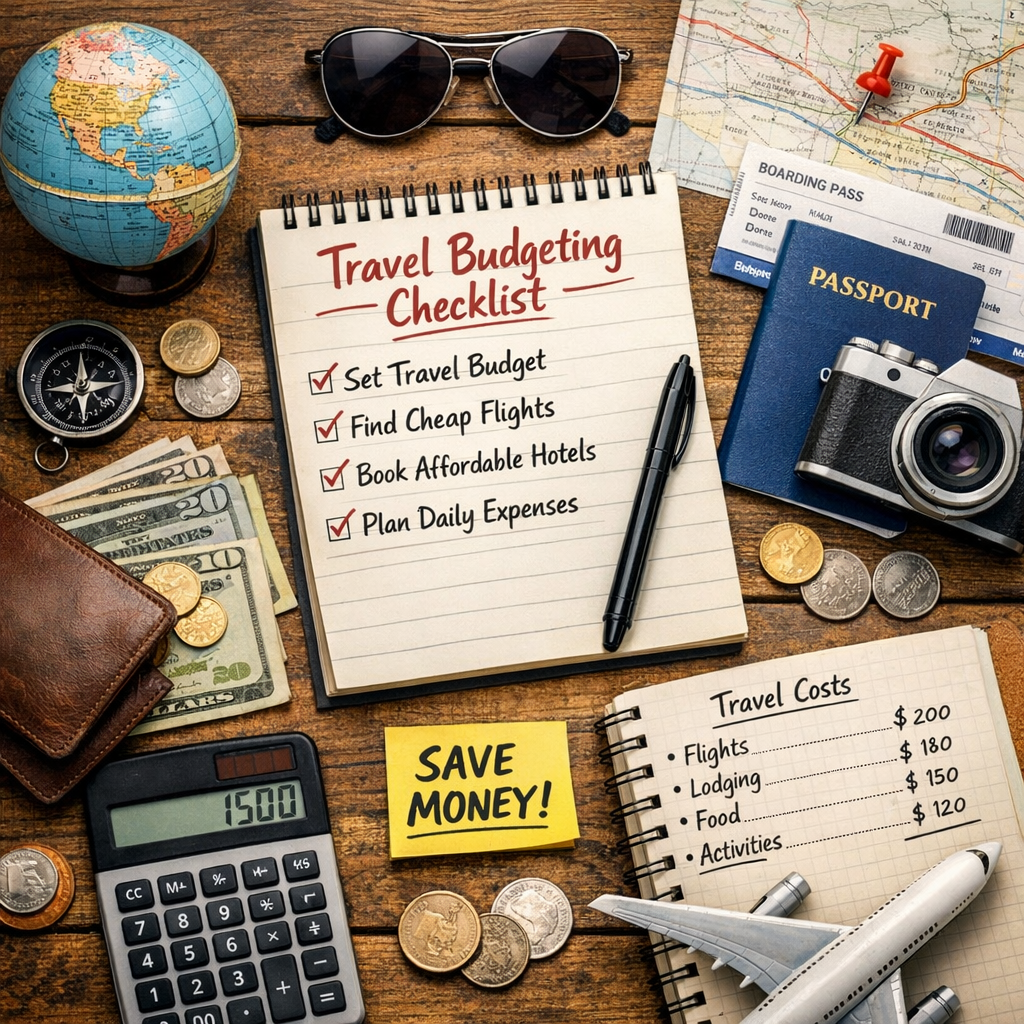
Before diving into the checklist, it’s important to understand why a travel budgeting plan matters. Many travelers underestimate the full cost of their trips and end up scrambling for last-minute funds or missing out on key experiences because of overspending. A smart budgeting plan lets you:
– Clearly see your total travel costs ahead of time
– Prioritize spending on what matters most to you (accommodation, dining, attractions)
– Avoid debt or financial strain after returning home
– Identify opportunities to save money strategically
– Track actual spending vs. budget continuously, so you can adjust as needed
With these benefits in mind, let’s look at how to build your own foolproof travel budgeting checklist.
Travel Budgeting Checklist: Step-by-Step Guide
1. Set Your Total Budget
Start by determining the total amount you’re willing to spend on your trip. This should be realistic based on your personal finances and travel goals. Consider:
– How much you have saved specifically for this trip
– Other monthly expenses you can’t skip before and after traveling
– Possible sources of extra funds if needed (side gigs, loans, etc.)
Having a clear spending limit helps you make smarter decisions throughout the planning process.
2. Transportation Costs
Transportation often accounts for a significant portion of travel expenses. Under this category, include:
– Airfare or train tickets: Check comparison websites and book well in advance for the best deals.
– Airport transfers and local transportation: Budget for taxis, rideshares, buses, or metro fares to and from airports, as well as daily local transit.
– Car rental: If applicable, factor in rental fees, fuel costs, insurance, and parking fees.
Keep an eye out for travel deals, discount cards, or passes that offer savings on transportation expenses.
3. Accommodation Expenses
Your choice of lodging will impact your budget significantly. Options vary widely, including:
– Hotels or resorts
– Hostels or guesthouses
– Vacation rentals and Airbnb
– Couchsurfing or house-sitting opportunities
Estimate the nightly rate and multiply by the number of nights. Don’t forget to add taxes, resort fees, or cleaning fees, which can sometimes be overlooked but add up.
4. Food and Dining Budget
Food costs can fluctuate greatly depending on where you travel and your eating habits. To manage this, include:
– Meals at restaurants or cafes (budget for both full meals and snacks)
– Groceries if you plan to cook some meals yourself
– Tips and service charges where customary
Look for ways to save, such as eating local street food, shopping at markets, or taking advantage of hotel complimentary breakfasts.
5. Activities, Tours, and Entertainment
This category covers everything from entry fees to museums and attractions, guided tours, outdoor activities, nightlife, and cultural events. It’s wise to:
– Research and list expected costs for key sights and experiences
– Allocate some buffer money for spontaneous activities
Booking tickets in advance online can sometimes provide discounts and help you avoid long lines.
6. Travel Insurance and Health
Don’t overlook the importance of travel insurance. This protects you against unexpected medical expenses, trip cancellations, or lost belongings. When budgeting, factor in:
– Travel insurance premiums tailored to your destination and planned activities
– Any necessary vaccinations or medications
7. Miscellaneous Expenses
A catch-all category for expenses that don’t fit neatly elsewhere, such as:
– Souvenirs and gifts
– Mobile data or SIM cards
– Laundry services
– Tips and gratuities
– Emergency funds
Setting aside 10-15% of your total budget for miscellaneous costs is a smart cushion to avoid surprises.
Tips for Sticking to Your Travel Budgeting Plan
– Track Your Spending: Use apps or spreadsheets to record expenses daily and stay within your limits.
– Prioritize Your Expenses: Allocate more of your budget to experiences that matter most and trim spending on less important areas.
– Be Flexible: Last-minute changes can happen. Adjust your plan as needed without stress.
– Plan for Currency Exchange: Account for fees and fluctuating rates when converting money abroad.
– Use Rewards and Discounts: Utilize loyalty programs, credit card perks, and discount passes.
Final Thoughts
A detailed travel budgeting checklist is your best travel companion to keep your plans affordable and avoid unpleasant financial surprises. By anticipating costs and making informed decisions at every stage—from transportation to dining to activities—you can enjoy your travels fully without worrying about overspending.
Start early, stay organized, and tweak your budget as you go for a smooth and satisfying journey. With a solid travel budgeting plan, the world is truly at your fingertips. Happy travels!