What to Know About Travel Budgeting: Ultimate Must-Have Guide
Travel budgeting is an essential skill for anyone looking to explore the world without breaking the bank. Whether you’re planning a quick weekend getaway or a months-long adventure, understanding how to allocate your funds wisely can make the difference between a stressful trip and a truly enjoyable experience. In this comprehensive travel budgeting guide, we’ll explore the key components you need to consider, tips for saving money, and practical advice to ensure your trip stays within your financial limits.
Why Travel Budgeting Matters
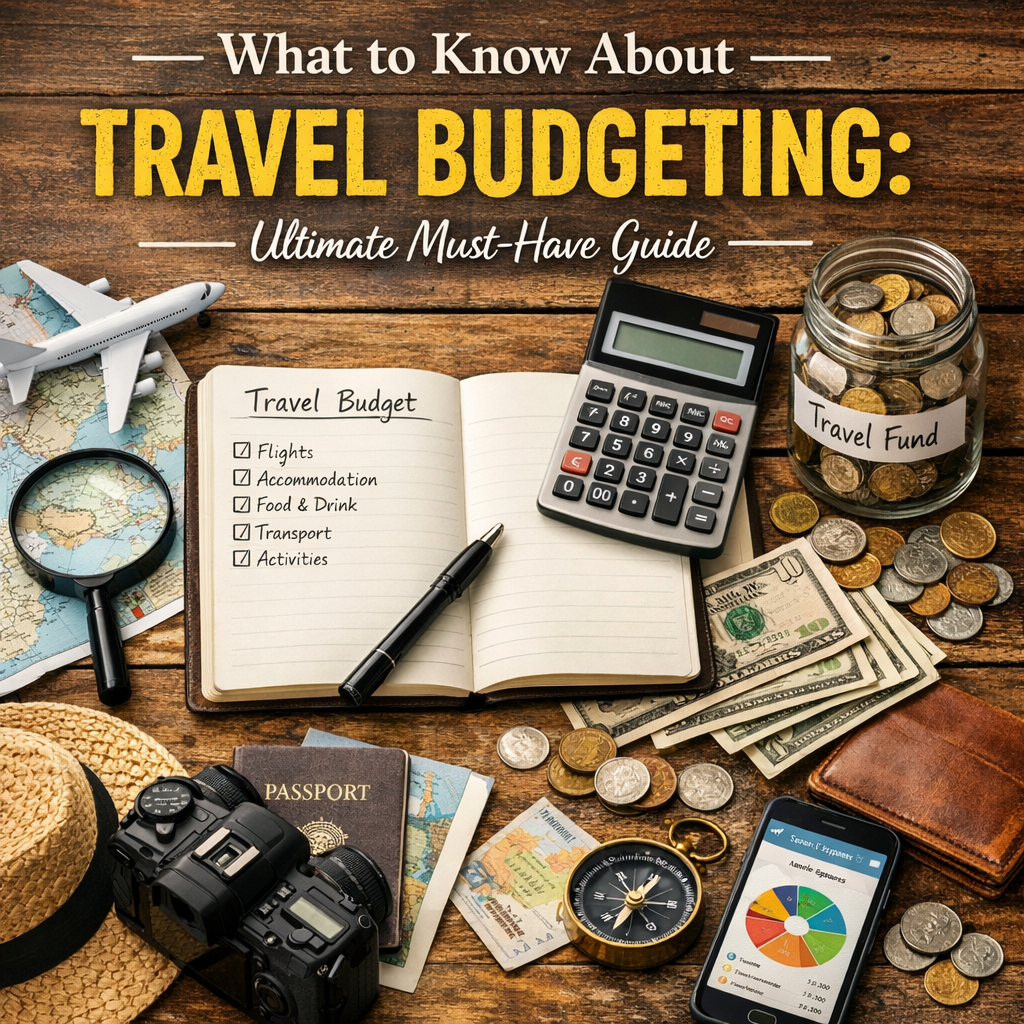
When it comes to traveling, money management often gets overlooked in the excitement of planning destinations, activities, and accommodations. However, what to know about travel budgeting starts with recognizing that having a clear financial plan helps reduce unexpected expenses and keeps your trip enjoyable.
A well-structured budget gives you control over how much you spend, helping you avoid debt and focus on what truly matters: making memories. It also allows you to prioritize your spending, so you can splurge on experiences that matter most to you and save elsewhere.
How to Create a Travel Budget
Creating a travel budget can seem overwhelming at first, but breaking it down into manageable categories helps. Here’s a step-by-step travel budgeting guide to get you started:
1. Determine Your Total Budget
Start by figuring out how much money you can realistically set aside for your trip. Consider your income, monthly expenses, and savings goals. Knowing your total available funds will help frame the rest of your calculations.
2. Research Destination Costs
Different destinations come with varying price ranges. Some countries have affordable accommodation and food but pricey activities, while others may be the opposite. Research average prices for:
– Flights or transportation
– Accommodation types (hostels, hotels, rentals)
– Daily meals and groceries
– Entrance fees and tours
– Local transportation
This will help you set realistic expenses based on where you plan to go.
3. Break Down Daily Expenses
Estimate how much you will spend per day on essentials such as food, transport, and activities. Multiply this by the number of travel days and compare it to your overall budget.
4. Include Hidden Costs and Contingencies
Travel often comes with unexpected expenses such as travel insurance, visa fees, tips, or emergency costs. Add a buffer of 10-15% of your total budget to accommodate these surprises.
Essential Tips in Travel Budgeting Guide
Beyond the numbers, knowing what to know about travel budgeting involves adopting smart strategies to stretch your dollar further.
Prioritize Needs vs. Wants
Decide which parts of your trip are essential and which are fun extras. For example, flights and accommodation might be non-negotiable, but dining at expensive restaurants every night could be scaled back.
Use Technology to Track Spending
Apps like Trail Wallet, Mint, or even a simple spreadsheet can help you monitor your daily expenses in real-time. This keeps you accountable and prevents overspending.
Book Early to Save Money
Many transportation and accommodation options are cheaper when booked in advance. Planning ahead can yield significant discounts.
Travel During Off-Peak Seasons
If your schedule is flexible, traveling during the shoulder or low seasons can drastically reduce costs for flights and lodging.
Consider Alternative Accommodations
Hostels, guesthouses, short-term rentals, or even house-sitting are budget-friendly options that often provide better deals than traditional hotels.
Common Mistakes to Avoid in Travel Budgeting
Understanding what to know about travel budgeting also means learning from mistakes others have made:
– Underestimating Daily Expenses: Always overestimate a bit to avoid unpleasant surprises.
– Ignoring Currency Exchange Rates: Be aware of currency fluctuations and fees for foreign transactions.
– Not Setting Aside an Emergency Fund: Emergencies happen—always keep some money separate.
– Relying Solely on Cash: Carry multiple payment methods to avoid issues if one is lost or stolen.
How to Adjust Your Budget Mid-Trip
Sometimes things don’t go as planned. Having a flexible mindset is part of what to know about travel budgeting. Monitor your spending closely and adjust where needed. If you’ve overspent on accommodation, perhaps cut back on activities or dining out to stay balanced.
Overall, remember that your budget is a tool to enhance your travel experience, not restrict it.
Final Thoughts: Mastering Travel Budgeting
Travel budgeting doesn’t have to be complicated. By understanding the fundamentals, planning ahead, and staying disciplined, you can enjoy your journey without financial worry. Keep this travel budgeting guide handy as you prepare for your next adventure, and you’ll find yourself traveling smarter — and happier.
With these tips in mind, you’re now ready to confidently manage your finances on the road, ensuring that every dollar is well spent and every moment treasured. Safe travels!