Meal Planning on a Budget Mistakes: Must-Have Tips for Success
Meal planning is a fantastic way to save money, reduce food waste, and maintain a healthy diet. However, many people stumble due to common pitfalls, making the process less effective or even frustrating. Understanding meal planning on a budget mistakes is essential for anyone looking to improve their cooking routine while keeping expenses in check. This article will uncover the frequent errors people make and offer practical meal planning on a budget tips to help you succeed.
Common Meal Planning on a Budget Mistakes to Avoid
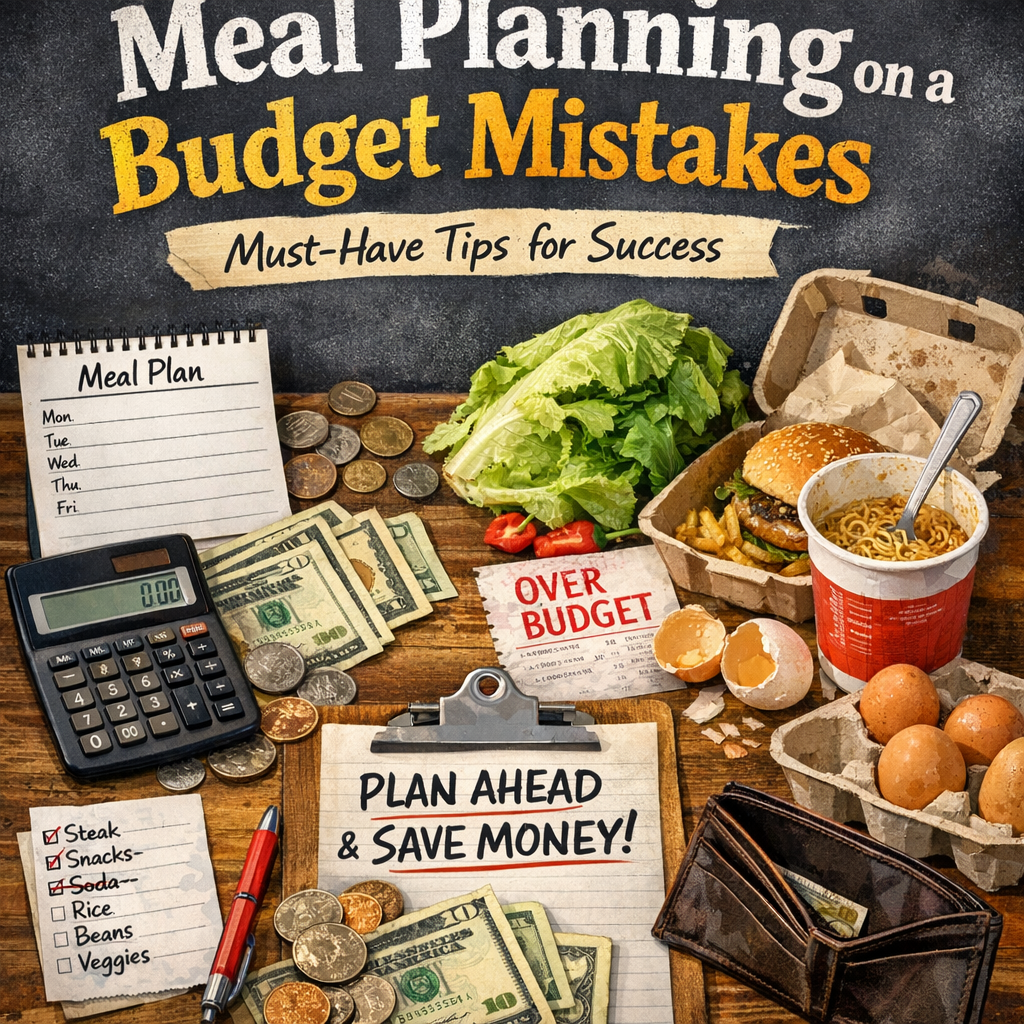
1. Skipping the Planning Step
One of the biggest mistakes when trying to stick to a budget with meal planning is diving straight into shopping or cooking without a clear plan. Without a detailed menu or grocery list, you may buy items you don’t need or forget essentials, leading to extra trips and impulse purchases that blow your budget.
2. Ignoring Inventory Before Shopping
Many people overlook what’s already in their pantry, fridge, or freezer before making a shopping list. This often leads to buying duplicates, which can cause food waste and unnecessary spending. Taking stock beforehand helps you use up what you have and plan meals around those ingredients.
3. Not Considering Portion Sizes and Leftovers
Failing to accurately estimate portion sizes or account for leftovers can disrupt your budget. Cooking too much food means more waste unless you plan to repurpose leftovers creatively. On the other hand, cooking too little might force you to order takeout, which is costly.
4. Overcomplicating Recipes
Choosing complicated or gourmet recipes can lead to purchasing numerous expensive specialty ingredients, many of which might only be used once. This often results in wasted food and money if the meal doesn’t go as planned or you lose interest halfway through the week.
5. Shopping Without a List
Entering the grocery store with no list or plan invites impulsive buying. Colorful packaging, sales, and end-aisle displays can tempt you into spending more than needed. Shopping strictly with your list keeps your budget intact.
Meal Planning on a Budget Tips for Success
Create a Weekly Meal Plan and Grocery List
Start by outlining your meals for the week. Include breakfast, lunch, dinner, and snacks if needed. Use simple, versatile meals that share ingredients to minimize waste and expense. Once your plan is ready, make a detailed grocery list based on only the items you need. This focused approach helps eliminate the chances of impulse buys.
Use Seasonal and Budget-Friendly Ingredients
Seasonal produce tends to be fresher, tastier, and significantly cheaper than out-of-season varieties. Incorporate these items into your meals to enjoy both variety and savings. Beans, lentils, oats, and frozen vegetables also offer nutritious, low-cost options to stretch your food dollars.
Embrace Batch Cooking and Freezing
Batch cooking meals and freezing portions is a powerful way to save both time and money. It ensures you have ready-to-eat meals on busy days, reducing the temptation to order takeout. Cooking in bulk often decreases the cost per meal significantly and helps avoid spontaneous grocery trips.
Repurpose Leftovers Creatively
Instead of discarding leftovers, think about how they can be transformed into new dishes. For example, yesterday’s roasted vegetables can be blended into soups, or cooked chicken can be shredded into wraps or salads. This practice lowers food waste and maximizes the value of every ingredient.
Stick to Your Grocery List and Avoid Shopping When Hungry
Following your list carefully will protect your budget from unnecessary expenses. Shopping on a full stomach can further reduce the temptation to pick up extra snacks or impulse buys. If possible, shop less frequently to avoid repeated splurges.
Track Your Spending and Adjust Accordingly
Keep a running tally of how much you spend on groceries each week or month. If you find your budget creeping up, revisit your meal plan to find more affordable swaps or simplify meals. Tracking expenses helps reinforce discipline and create realistic budget goals.
Why Avoiding Meal Planning on a Budget Mistakes Matters
Avoiding common mistakes is crucial because meal planning is not just about saving money—it impacts your overall food habits and lifestyle. When done right, it reduces stress about what to cook each day, encourages healthier eating habits, and brings consistency to your routine. Equally important is the environmental benefit gained from reducing food waste by mindful purchasing and cooking.
Mastering meal planning on a budget requires awareness, patience, and flexibility. Knowing the mistakes to avoid helps you set yourself up for success and keeps your kitchen running smoothly without overextending your finances.
Final Thoughts
Meal planning on a budget can be both satisfying and economical when done thoughtfully. Avoid the typical pitfalls by planning thoroughly, shopping smartly, and making the most out of every ingredient. Implement these meal planning on a budget tips, and you’ll not only save money but also enjoy more tasty, nutritious meals throughout the week.
By turning meal planning into a mindful habit, you lay the foundation for a healthier lifestyle that fits comfortably within your financial means. Start small, stay consistent, and watch your kitchen—and wallet—thrive.