Meal Planning on a Budget Checklist: Must-Have Tips for Affordable Success
Meal planning on a budget checklist is a powerful tool that can transform the way you approach your weekly meals while saving money. Many people find it challenging to balance eating nutritious food and staying within their budget, but with the right strategies, it’s entirely achievable. Whether you’re a seasoned home cook or just starting your journey toward mindful spending in the kitchen, having a solid plan can help minimize waste, reduce impulse purchases, and make mealtime less stressful.
In this article, we’ll explore essential tips and tricks for an effective meal planning on a budget plan that keeps your finances intact and your belly full. Let’s dive into the must-have elements of this checklist to ensure affordable success.
Start with an Accurate Grocery Inventory
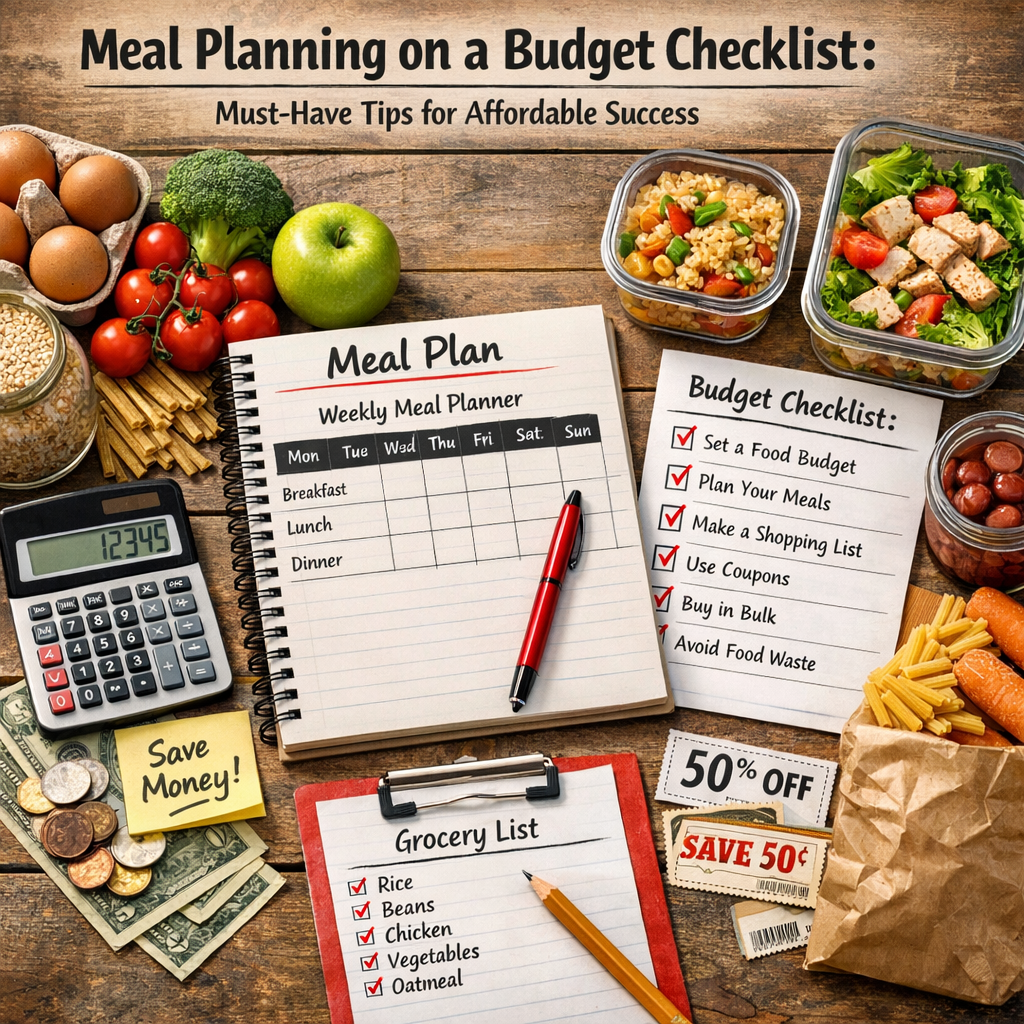
Before making any shopping list, it’s crucial to know what you already have in your pantry, fridge, and freezer. Taking stock of ingredients will prevent buying duplicates and help you prioritize meals based on existing staples. This small step can save you money by encouraging you to creatively repurpose items you already own.
Create a simple inventory list detailing perishable and non-perishable items and update it regularly. By integrating this practice into your meal planning on a budget checklist, you’ll spend less on unnecessary groceries.
Plan Your Meals Around Sales and Seasonal Produce
One of the smartest ways to stretch your grocery dollars is by shopping seasonally and keeping an eye on weekly store promotions. Seasonal fruits and vegetables are often cheaper, fresher, and tastier than out-of-season counterparts. Likewise, many stores offer discounts on staple items or bulk products during specific sales cycles.
Incorporate these insights into your meal planning on a budget plan by:
– Checking local flyers or apps for current sales
– Planning meals that feature on-sale items
– Substituting pricier ingredients with affordable seasonal alternatives
This strategy not only cuts costs but introduces variety into your weekly menus.
Use a Consistent Shopping List Based on Your Meal Plan
Having a well-organized shopping list derived from your meal plan keeps your purchases intentional. This helps curb impulse buys, which are common budget-busters.
To make your list effective:
– Organize items by store sections (produce, dairy, meat, etc.) for quick navigation
– Stick strictly to the list while shopping
– Avoid shopping when hungry or distracted, as this leads to unnecessary spending
Meal planning on a budget checklist should always include reviewing and finalizing your shopping list to minimize overspending.
Incorporate Batch Cooking and Leftover Utilization
Batch cooking involves preparing larger quantities of meals ahead of time, which you can freeze or refrigerate for later use. This method saves time, reduces dining out, and helps control portion sizes.
Plan for recipes that:
– Freeze well (soups, stews, casseroles)
– Can be repurposed (roast chicken can transform into salads, sandwiches, or soups)
– Use similar ingredients to avoid waste
Additionally, make it a habit to schedule “leftovers night” where you repurpose remnants instead of throwing them away. Both techniques are cornerstones of an efficient meal planning on a budget plan.
Prioritize Nutrient-Dense, Low-Cost Foods
Balancing nutrition and affordability is key. Focus on ingredients that provide the most nutrients for the lowest price. Staples such as beans, lentils, rice, oats, frozen vegetables, and canned tomatoes are inexpensive and versatile.
When crafting your meal planning on a budget checklist, ensure these items feature prominently. They can form the base of hearty stews, grain bowls, or salads without breaking the bank.
Set Realistic Portions and Waste Less Food
Overbuying often leads to food spoilage and wasted money. Measuring portions accurately helps you purchase just what you need and prevents throwing away uneaten food.
Some ways to manage portion sizes:
– Use measuring cups or kitchen scales when cooking
– Plan meals with clear serving sizes in your meal planning on a budget plan
– Store leftovers in appropriate airtight containers
By minimizing waste, you maximize every dollar spent on groceries.
Utilize Coupons and Loyalty Programs
Many supermarkets offer loyalty cards, digital coupons, or cashback opportunities. While it requires some organization, clipping coupons or scanning loyalty apps discounts your total bill substantially.
Include a step in your meal planning on a budget checklist to check available coupons or deals before shopping. This bonus can lead to significant savings, especially on staple products.
Keep a Flexible, Adaptive Approach
Your meal planning on a budget plan should not be rigid. Life happens—sometimes plans change, preferences evolve, and unexpected sales pop up.
Leave some wiggle room in your menu to:
– Swap ingredients based on deals or availability
– Try new budget-friendly recipes
– Use pantry staples creatively when fresh ingredients run low
Flexibility encourages sustainability and long-term success.
Conclusion: Make Meal Planning Work for Your Budget and Lifestyle
Implementing a meal planning on a budget checklist is more than just a one-time activity; it’s a habit that yields ongoing savings and better eating experiences. By keeping an inventory, shopping sales, batch cooking, and embracing nutrient-dense foods, you set yourself up for affordable success.
Start small, refine your process, and watch how this strategic approach not only reduces your grocery expenses but nurtures healthier, more enjoyable meals. With consistency and thoughtful planning, eating well within your means becomes a natural part of your routine.