What to Know About Meal Planning on a Budget: Ultimate Affordable Guide
Meal planning is an essential skill for anyone looking to save money, reduce food waste, and maintain a healthier lifestyle. When it comes to what to know about meal planning on a budget, understanding the basics can transform the way you shop, cook, and eat. This ultimate affordable guide will walk you through the steps and strategies to help you make the most of your grocery budget without compromising on nutrition or taste.
Why Meal Planning on a Budget Matters
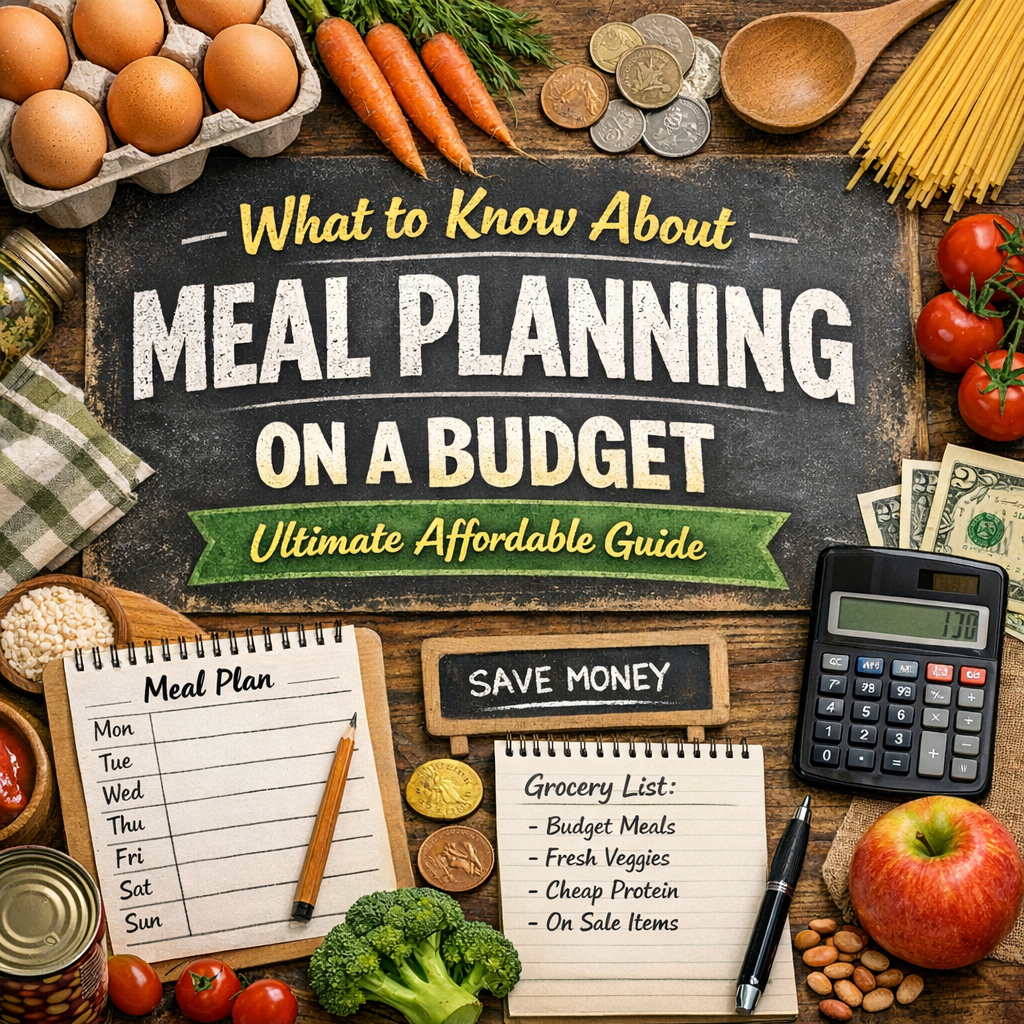
Food expenses make up a significant portion of most household budgets. Without a plan, it’s easy to overspend on convenience foods, impulse buys, or takeout meals. Meal planning empowers you to take control by organizing your shopping and meals in advance. This not only cuts down on unnecessary purchases but also minimizes food waste, which is both financially and environmentally beneficial.
How Does Meal Planning on a Budget Work?
At its core, meal planning involves deciding what you will eat for the week ahead and preparing a shopping list accordingly. But when focusing on budgeting, the process requires additional considerations such as:
– Prioritizing affordable ingredients
– Leveraging sales and discounts
– Incorporating pantry staples
– Preparing meals that stretch portions
Knowing these factors is critical to effective meal planning on a budget.
Key Strategies in This Meal Planning on a Budget Guide
Assess Your Pantry and Set a Budget
Before creating your meal plan, check what ingredients you already have available. This helps you avoid buying duplicates and reveals opportunities to mix and match pantry items. Next, determine your weekly or monthly food budget. Setting a clear spending limit helps maintain discipline and achieve savings goals.
Plan Around Sales and Seasonal Produce
One of the most important tips in any meal planning on a budget guide is to base your meals on what’s on sale or in season. Local markets often offer fresh fruits and vegetables at lower prices during peak seasons, and grocery stores typically discount items nearing their sell-by dates. Planning meals that incorporate these affordable ingredients can lead to significant savings.
Make a Detailed Grocery List
Once you finalize your meal plan, create a precise grocery list. Stick to the list when shopping to prevent impulse purchases. Categorize items in the list based on store layout to make shopping quicker and reduce the temptation to browse aisles full of unplanned goods.
Cook in Batches and Use Leftovers Wisely
Batch cooking and reusing leftovers are cornerstones of economical meal planning. Prepare large portions of soups, stews, casseroles, or grains and freeze individual servings for busy days. Leftovers can be reinvented into new meals—roasted vegetables can be added to salads or sandwiches the next day, for example.
Choose Budget-Friendly Ingredients
beans, rice, eggs, and frozen vegetables are excellent staples when aiming to meal plan on a budget. These foods are nutritious, versatile, and affordable. Incorporating them into your meals stretches your dollar without sacrificing variety.
Limit Convenience Foods and Eating Out
Convenience meals and frequent dining out can quickly inflate your food budget. While they’re sometimes necessary due to time constraints, prioritizing cooking at home almost always saves money. When preparing meals yourself, you can control ingredients, portions, and cost more effectively.
Sample Weekly Meal Plan to Follow for Budget-Friendly Cooking
Here’s a simple example to illustrate how a cost-effective weekly plan might look:
– Breakfast: Oatmeal with fruit or eggs and toast
– Lunch: Lentil soup with a side salad or rice and beans with veggies
– Dinner: Stir-fried frozen vegetables and chicken over brown rice; pasta with marinara sauce and steamed greens; vegetable curry with chickpeas and quinoa
This plan uses affordable staples, seasonal vegetables, and allows for easy batch cooking.
Tips to Stay Consistent with Your Meal Planning on a Budget Guide
– Keep it flexible: Don’t feel pressured to stick to a rigid plan. If something goes on sale unexpectedly, adjust your plan accordingly.
– Track your spending: Keep receipts and compare actual spending versus your budget. This helps identify areas for improvement.
– Get the family involved: Involving others in meal choices, prep, and cooking can make planning more enjoyable and sustainable over time.
– Invest in good storage: Airtight containers and proper refrigeration extend the life of leftovers and bulk-cooked meals.
Conclusion
Mastering what to know about meal planning on a budget is not only about reducing expenses—it’s about making thoughtful decisions that improve your daily life. With a bit of planning, creativity, and discipline, you can enjoy nutritious, delicious meals that respect your budget and lifestyle. This guide offers the foundation to get started and adapt meal planning to your unique needs, making food management simpler and more affordable. Start small, stay consistent, and watch your savings and kitchen skills grow.