Best Tips for Index Fund Investing: Must-Have Strategies for Success
Index fund investing has become one of the most popular ways for both novice and seasoned investors to build wealth over time. Thanks to their simplicity, low costs, and broad market exposure, index funds offer a hassle-free approach to growing your portfolio. However, to truly maximize your returns and avoid common pitfalls, it’s essential to apply certain strategies. In this article, we will explore the best tips for index fund investing that can help you achieve financial success while minimizing risk.
Understanding Index Fund Investing: A Quick Overview
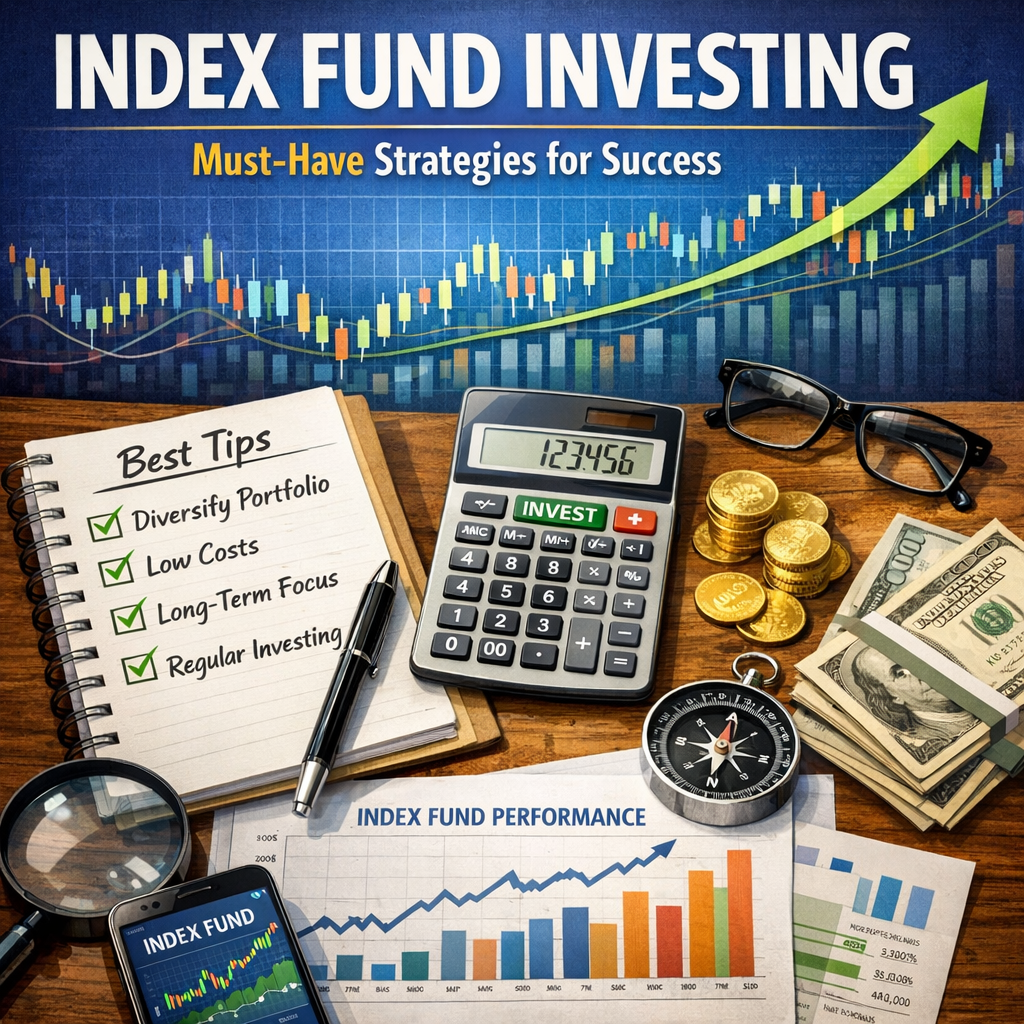
Before diving into specific tips, it’s important to understand what index funds are. An index fund is a type of mutual fund or exchange-traded fund (ETF) designed to replicate the performance of a particular market index, such as the S&P 500 or the Dow Jones Industrial Average. Because they track a benchmark, index funds typically have lower management fees and expenses compared to actively managed funds.
Best Tips for Index Fund Investing: Building a Strong Foundation
1. Start Investing Early and Be Consistent
One of the most powerful advantages of index fund investing is the ability to leverage compound interest. The earlier you start investing, the more time your money has to grow. Regular, consistent contributions — whether monthly, quarterly, or yearly — help smooth out the effects of market volatility and build discipline. This strategy, often called dollar-cost averaging, reduces the risk of investing a large lump sum at the wrong time.
2. Diversify Your Portfolio Across Multiple Index Funds
While many investors begin with a broad, total-market index fund, diversifying your investments can further reduce risk. Consider spreading your money across various sectors, such as technology, healthcare, and international markets, by choosing different index funds. This diversification helps protect your portfolio if one sector underperforms and aligns better with your financial goals and risk tolerance.
3. Keep Costs Low by Choosing Funds with Low Expense Ratios
One of the main reasons investors choose index funds is their low-cost structure. However, not all index funds are created equal. Expense ratios — the annual fees charged by the fund — can vary, and even a small difference can significantly impact your returns over time. Focus on funds with low expense ratios, ideally under 0.2%, to maximize your net gains.
Index Fund Investing Tips: Navigating Market Fluctuations
4. Focus on Long-Term Investing and Avoid Timing the Market
Market ups and downs are inevitable. The best tips for index fund investing emphasize patience. Attempting to time the market, or predict its short-term movements, often leads to missed opportunities and poorer returns. Instead, maintain a long-term perspective, hold your investments through market corrections, and resist the urge to sell during downturns.
5. Rebalance Your Portfolio Periodically
Over time, certain investments in your portfolio may grow faster than others, causing your asset allocation to shift. Rebalancing involves adjusting your investments back to your desired allocation, which can help manage risk and ensure you’re not overexposed to any one sector. For example, if stocks have increased significantly, you might sell some shares and buy bonds or other assets to maintain balance.
Additional Index Fund Investing Tips for Success
6. Automate Your Investments
Automating your contributions to index funds simplifies the investment process and helps reinforce good financial habits. Set up automatic transfers from your bank account to your investment account so you don’t have to think about it every month. This automation ensures you stay consistent regardless of market conditions or personal circumstances.
7. Understand Your Risk Tolerance and Goals
Not all investors have the same risk appetite or financial objectives. Take the time to assess your comfort level with market volatility and what you want to achieve — whether it’s saving for retirement, a home purchase, or education expenses. This understanding will guide your choice of index funds and how aggressively you should invest.
8. Utilize Tax-Advantaged Accounts When Possible
To maximize returns, consider investing in index funds through tax-advantaged accounts such as 401(k)s, IRAs, or Roth IRAs. These accounts offer tax benefits that can help your investments grow more efficiently. For example, a Roth IRA allows qualified withdrawals to be tax-free, increasing your after-tax gains in the long run.
Conclusion: Applying the Best Tips for Index Fund Investing
Investing in index funds is a sound strategy for building wealth steadily over time. By following these best tips for index fund investing — starting early, diversifying wisely, keeping costs low, maintaining a long-term mindset, and automating your investments — you position yourself for greater financial success. Remember that consistent effort combined with a clear understanding of your personal goals and risk tolerance will always outperform reactive decision-making. Embrace these strategies to make your investment journey smoother and more rewarding.