Index Fund Investing Mistakes: Must-Have Tips for Effortless Success
Investing in index funds is often touted as one of the simplest and most effective ways to build wealth over time. However, many investors still fall into common pitfalls that can undermine their success. Understanding index fund investing mistakes and implementing smart strategies is crucial to maximizing returns while minimizing risks. Whether you’re a beginner or an experienced investor, knowing these essential index fund investing tips can help you navigate the market confidently and achieve your financial goals with ease.
Understanding Index Fund Investing Mistakes
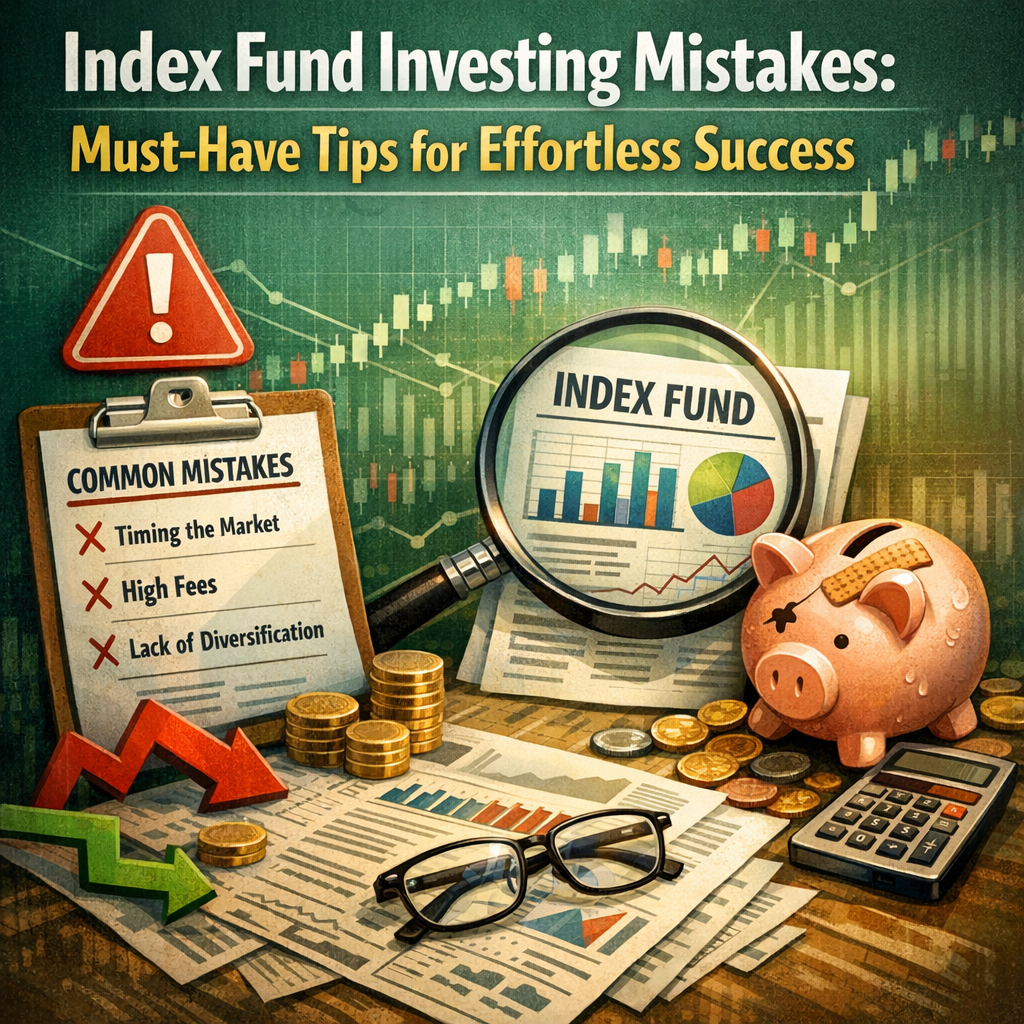
Index funds are designed to track the performance of a market index, such as the S&P 500, by holding a representative sample of the underlying securities. The low-cost, diversified nature of index funds makes them appealing, but investors often make avoidable errors that affect their portfolio’s growth.
One common index fund investing mistake is chasing performance. Some investors switch between index funds based on recent returns, trying to time the market or pick a “better” fund. This behavior negates the benefits of a long-term buy-and-hold strategy and can lead to unnecessary trading costs and missed gains. Index funds are intended for steady growth, so consistency and patience are key.
Another mistake is ignoring expense ratios. While index funds typically have low fees, some funds still charge higher expenses, which can eat into your investment returns over time. Comparing expense ratios carefully before investing is a vital step that many overlook, leading to lower net growth in the long run.
Failing to diversify adequately is also a frequent error. Investing solely in a single index fund, especially one concentrated in a specific sector or region, can expose your portfolio to unnecessary risks. Diversification across different asset classes and geographical regions reduces volatility and helps balance the risk-reward equation better.
Essential Index Fund Investing Tips for Beginners
1. Focus on Long-Term Growth
One of the most powerful index fund investing tips is to adopt a long-term perspective. The stock market can fluctuate significantly in the short term, but historically, index funds have delivered solid returns over decades. Resist the urge to react to daily market news or economic headlines. Consistency and patience allow your investment to benefit from compounding growth.
2. Pay Attention to Fees and Expenses
Though index funds are generally inexpensive, carefully review the expense ratios. Lower fees mean more money stays invested and compounds overtime. For example, switching from a fund with a 0.50% expense ratio to one with 0.05% can significantly impact your portfolio after many years.
3. Diversify Across Multiple Index Funds
Diversification is fundamental to risk management. Consider complementing a broad U.S. stock index fund with international stock index funds and bond index funds. This mix reduces the chances that a single market event will devastate your portfolio and smooths out returns during volatile periods.
4. Automate Contributions
Consistency is easier to maintain when contributions happen automatically. Setting up automatic monthly investments into your index fund portfolio helps you dollar-cost average, which means you buy more shares when prices are low and fewer when prices are high. This disciplined approach reduces the risk of poor timing and boosts long-term results.
5. Avoid Overtrading
Frequent buying and selling of index funds can generate trading fees and capital gains taxes that reduce your net returns. Since the goal of index fund investing is to track the market growth, maintaining a “set it and forget it” approach is often the best course. Only rebalance your portfolio occasionally to maintain your desired asset allocation.
Avoiding Emotional Investing Traps
Investors often make decisions based on emotions rather than logic or strategy. Fear and greed can cause premature selling during market downturns or risky buying during bubbles. By recognizing these psychological biases, you can guard against them.
Having a written investment plan that defines your goals, risk tolerance, and strategy helps prevent rash decisions. Remember, index funds are not a get-rich-quick scheme but a reliable method to grow wealth steadily over time.
Conclusion
Steering clear of common index fund investing mistakes while applying proven index fund investing tips is the best way to ensure effortless success in your investment journey. By focusing on low fees, broad diversification, long-term commitment, and avoiding emotional reactions, you can harness the true power of index funds. Start early, stay consistent, and let the market’s growth work in your favor with minimal hassle. This disciplined approach sets the foundation for building lasting financial security and peace of mind.