Stock Market Basics Checklist: Your Must-Have, Easy Stock Market Plan
Investing in stocks can be a rewarding way to grow your wealth, but it often feels intimidating for beginners. A stock market basics checklist is an essential tool to guide new investors through the initial steps and set them up for long-term success. This simple yet comprehensive plan breaks down complicated concepts into manageable actions so you can confidently navigate the financial markets.
Whether you want to buy your first shares or just understand how stock investing works, a clear stock market basics plan will provide structure and clarity. In this article, we’ll walk you through the key components of such a checklist, helping you build a solid foundation for your investing journey.
—
Understanding Why a Stock Market Basics Checklist Matters
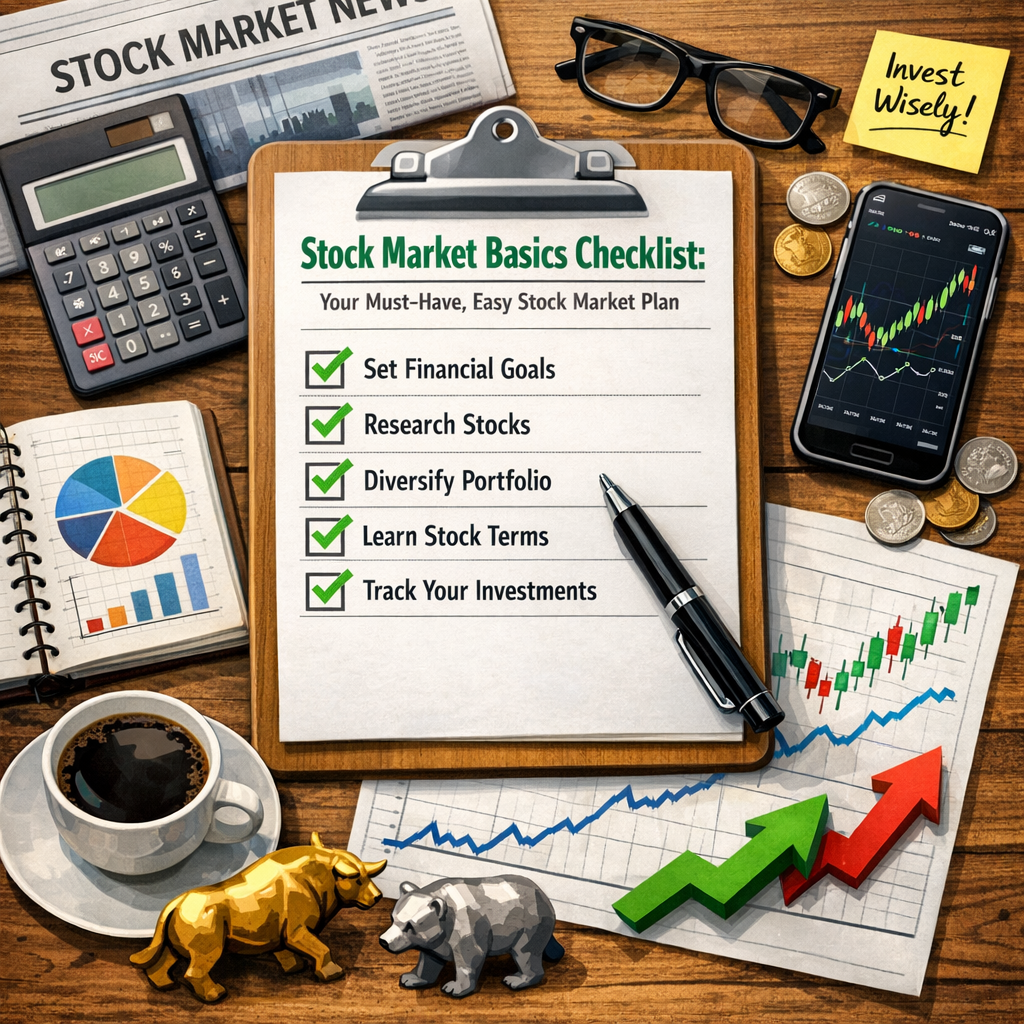
Before diving into investing, it’s important to recognize the value of preparation. The stock market is complex and volatile; without a plan, you risk making impulsive decisions driven by emotions or misinformation. A checklist serves as a practical guide, ensuring you cover all essential considerations before putting your money on the line.
Think of it like assembling a toolkit before a DIY project. You wouldn’t start building without the right tools and blueprint — the same goes for investing. A proven checklist helps you:
– Set realistic investment goals
– Determine your risk tolerance
– Learn the lingo and market mechanics
– Choose suitable stocks or funds
– Develop a disciplined approach to buying and selling
By following this structured approach, you turn investing from a shot in the dark into a strategic endeavor.
—
Key Components of a Stock Market Basics Checklist
Below is a detailed list covering the fundamental elements every beginner should include in their stock market plan.
1. Define Your Investment Goals
Begin with a clear idea of what you want to achieve. Are you investing for retirement, a major purchase, or simply to build wealth? Knowing your timeline and objectives will influence your strategy, asset allocation, and risk tolerance.
2. Assess Your Risk Tolerance
Stocks come with varying levels of risk, so it’s crucial to understand how much market fluctuation you can handle emotionally and financially. Many online quizzes can help you gauge your risk profile — conservative, moderate, or aggressive.
3. Educate Yourself on Stock Market Basics
You don’t need to become a financial expert, but knowing essential terms like shares, dividends, market orders, and indexes will improve your confidence and decision-making. There are plenty of free resources, courses, and books that explain these basics in plain language.
4. Choose the Right Brokerage Account
Selecting a brokerage firm is a foundational step to start trading. Consider factors like fees, account minimums, user experience, available tools, and customer service. Many platforms offer demo accounts where you can practice buying and selling stocks without risking real money.
5. Develop a Diversification Strategy
Avoid putting all your eggs in one basket by investing across different sectors, industries, and asset types. Diversification reduces the impact of any single investment’s poor performance on your overall portfolio.
6. Create a Budget for Investing
Decide how much money you can comfortably allocate to investment monthly or as a lump sum. It’s wise to only invest money you won’t need in the immediate future to guard against liquidity issues.
7. Implement an Investment Tracking System
Keep track of your purchases, dividends, portfolio value, and overall performance over time. This helps you stay informed, analyze your strategy, and make timely adjustments when needed.
8. Set Rules for Buying and Selling
Establish clear criteria for when to buy new positions or sell existing shares. This prevents emotional decisions triggered by market volatility and helps lock in profits or cut losses systematically.
—
Tips for Sticking to Your Stock Market Basics Plan
Creating a checklist is just the start — consistency is key to success. Here are some actionable tips to help you stick to your investing roadmap:
– Stay Patient: Investments grow over time, so avoid chasing quick gains.
– Revisit Your Plan Regularly: Life changes, and so can your goals or risk tolerance.
– Keep Emotions in Check: Fear and greed are powerful but can sabotage rational judgment.
– Keep Learning: Market trends evolve, and staying updated will refine your strategy.
– Don’t Overtrade: Frequent buying and selling can incur high costs and reduce returns.
—
Final Thoughts
A stock market basics checklist is your best friend as you embark on investing. It breaks down the process into clear, manageable steps to boost your confidence and reduce the risk of costly mistakes. By defining your goals, understanding your risk, educating yourself, and developing a disciplined plan, you build a strong foundation for wealth accumulation.
Remember, investing is a marathon, not a sprint. Approach it thoughtfully with your checklist in hand, and you’ll be well on your way to making smart, informed decisions in the stock market. Start small, stay consistent, and watch your financial future take shape!