What to Know About Real Estate Investing: Must-Have Guide for Success
Real estate investing is a powerful avenue for building wealth, offering both passive income and long-term financial security. However, diving into this market without a solid foundation can lead to costly mistakes. Whether you’re a beginner or someone looking to refine your investment strategy, understanding what to know about real estate investing is essential for success. This real estate investing guide will walk you through key concepts, strategies, and practical tips to help you navigate the market confidently.
Understanding the Basics: What to Know About Real Estate Investing
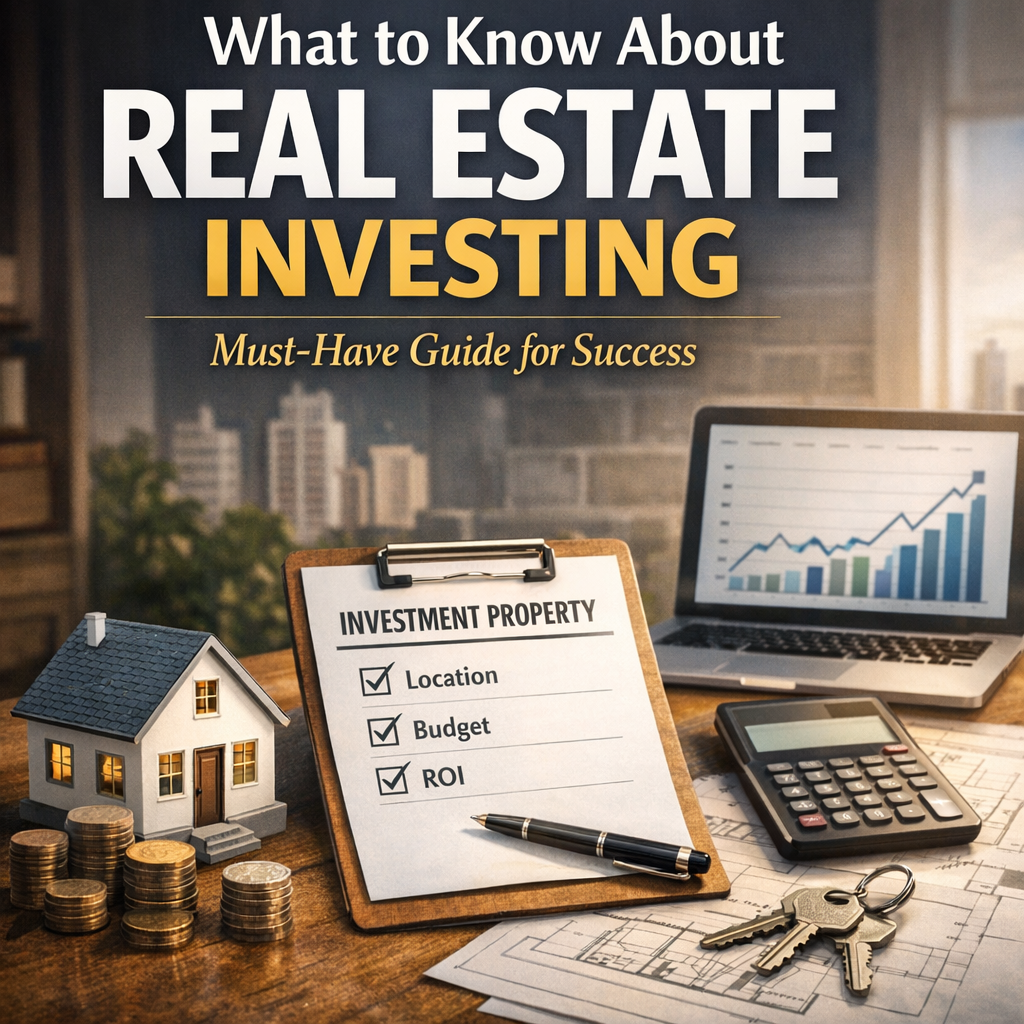
Before committing your hard-earned money, it’s critical to grasp the fundamentals of real estate investing. This includes learning about different types of properties, investment strategies, and market trends.
Types of Real Estate Investments
Real estate isn’t a one-size-fits-all arena. Investors can choose among several types of properties, each with its own risk and reward profile:
– Residential Properties: These include single-family homes, condos, and multi-family units. They often serve as entry points for new investors because of their familiarity and relative stability.
– Commercial Properties: Office buildings, retail spaces, and industrial properties fall under this category. Commercial investments typically require more capital but offer higher income potential.
– Rental Properties: Purchasing property to rent out can provide consistent cash flow and tax benefits.
– Fix and Flip: Investors buy undervalued properties, renovate them, and sell for a profit. This strategy demands hands-on involvement and a good sense of market timing.
Why Location Matters
One of the cardinal rules in real estate investing is “location, location, location.” The desirability of a location affects property values, rental demand, and resale potential. Research neighborhood amenities, future development plans, crime rates, and school ratings. Understanding these local factors will help you make informed investment decisions.
Real Estate Investing Guide: Key Strategies for Successful Investing
Armed with the basics, the next step is to adopt effective strategies that align with your financial goals and risk tolerance.
Buy and Hold Strategy
This strategy involves purchasing properties and holding them long-term to benefit from appreciation and rental income. It’s ideal for investors seeking passive income and wealth accumulation over time.
House Flipping
Flipping houses can generate quick profits but requires expertise in renovation, budgeting, and market timing. It’s riskier but can be rewarding if done correctly.
Real Estate Investment Trusts (REITs)
For those who prefer not to manage properties directly, REITs offer a way to invest in real estate through publicly traded companies. This approach provides liquidity and diversification without the hassle of property management.
Wholesaling
Wholesaling involves finding properties at below-market prices and assigning the purchase contract to another buyer for a fee. While it requires less capital, wholesaling demands strong negotiation skills and market knowledge.
Financing Your Real Estate Investments
Understanding financing options is crucial for turning deals into realities.
Conventional Mortgages
Traditional loans from banks are common, but they often require good credit and substantial down payments.
Hard Money Loans
These are short-term loans from private lenders, useful for fix-and-flip projects, but they come with higher interest rates.
Portfolio Loans
For investors with multiple properties, portfolio loans allow combined financing under one umbrella, simplifying management.
Additionally, be mindful of your credit score and maintain a healthy debt-to-income ratio to secure favorable loan terms.
Risks and Challenges: What to Know About Real Estate Investing
No investment is without risk. Knowing common pitfalls will help you prepare and protect your assets.
– Market Fluctuations: Real estate markets are cyclical and can be affected by economic downturns.
– Vacancy Risks: Rental income depends on tenants, so prolonged vacancies can strain your finances.
– Unexpected Repairs: Properties require maintenance, and unforeseen costs can impact profitability.
– Legal and Regulatory Challenges: Zoning laws, tenant rights, and tax regulations vary by location and must be navigated carefully.
Tips for Success: A Real Estate Investing Guide to Thrive
To boost your chances of success, consider these practical tips:
– Educate Yourself Continuously: Attend workshops, read books, and maybe even find a mentor.
– Network Actively: Building relationships with agents, contractors, and investors will open doors.
– Start Small: Begin with one property to learn the ropes before scaling up.
– Analyze Deals Thoroughly: Use reliable data and financial models to evaluate potential investments.
– Diversify Portfolio: Balance your investments across various property types and locations.
Conclusion
Knowing what to know about real estate investing can set you on a rewarding path to financial independence. This real estate investing guide highlights crucial elements that every investor should understand—from property types and strategies to financing and risk management. By applying these insights and remaining diligent, you can build a successful real estate portfolio that stands the test of time. Remember, real estate investing isn’t just about buying properties—it’s about making smart, informed decisions that align with your long-term goals.