Monthly Rental Property Tips: Must-Have Plan for Effortless Success
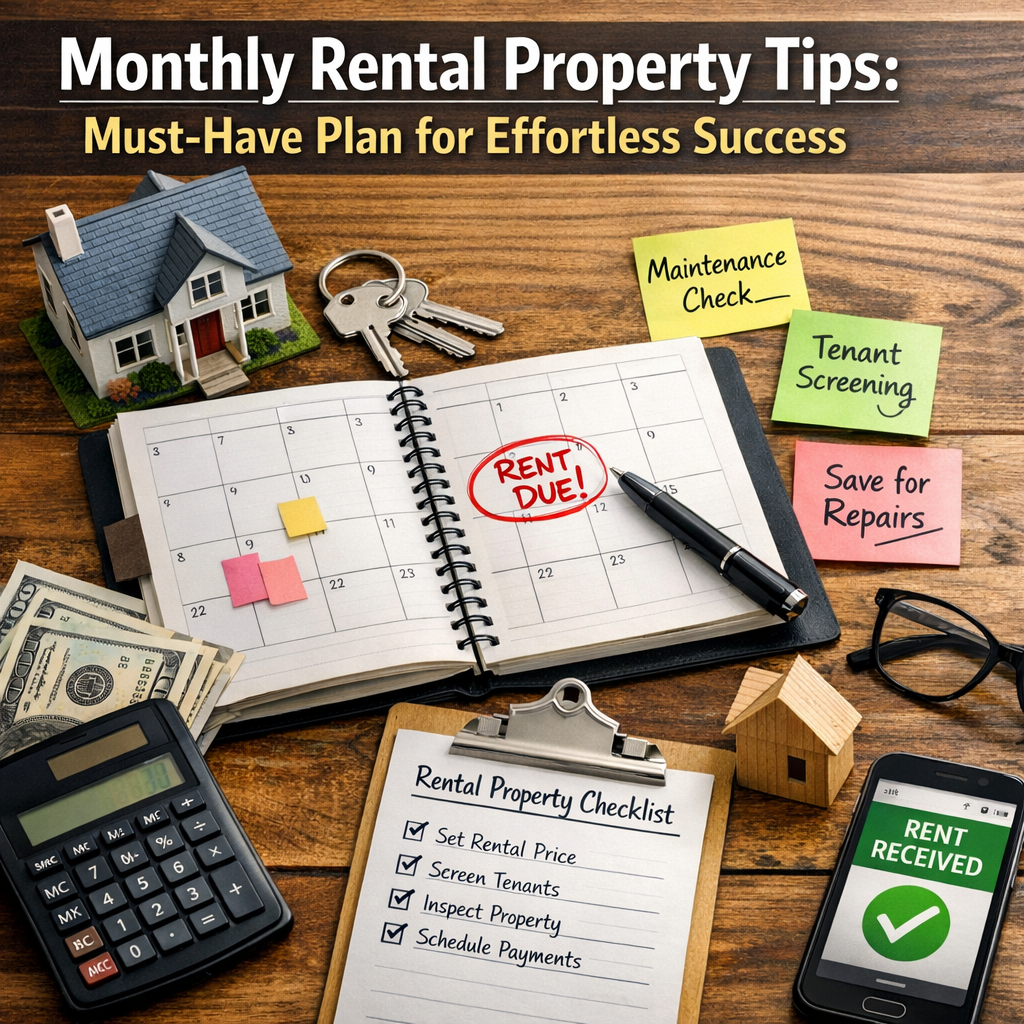
Managing a rental property can be a rewarding investment, but it also requires consistent effort and strategic planning. The key to maximizing profits and minimizing headaches lies in adhering to a solid routine. Implementing monthly rental property tips is essential for landlords who want to operate smoothly and avoid costly surprises. This article will guide you through an effective monthly plan that can transform your rental experience into an effortless success.
Why a Monthly Plan is Crucial for Rental Property Management
Many landlords underestimate the importance of maintaining a structured schedule when it comes to managing their properties. Having a rental property tips monthly plan provides a framework that ensures you don’t miss critical tasks such as inspections, rent collection, maintenance, and tenant communication. By staying on top of these responsibilities, you reduce vacancy periods, maintain your property’s value, and create positive tenant relationships.
Monthly Rental Property Tips: Key Components of an Effective Plan
1. Streamline Rent Collection
Rent collection should be your first priority each month. Implement a reliable system, whether it’s an online platform like Buildium, Cozy, or Rentec Direct, or a manual method combined with clear communication. Automating rent collection decreases missed payments and allows you to track income effortlessly. Set reminders for tenants a few days before rent is due and establish a late fee policy to encourage timely payments.
2. Conduct Monthly Property Inspections
Regular inspections help you identify potential problems before they escalate into costly repairs. Schedule a quick visual inspection of your property every month. Inspect everything from plumbing and electrical systems to appliances and general wear and tear. If you can’t visit in person, arrange for a trusted local contractor or property manager to check the property on your behalf.
3. Maintenance and Repairs
Taking care of minor repairs promptly prevents bigger problems down the line. Create a checklist of common maintenance tasks that might arise monthly, such as checking smoke detectors, cleaning HVAC filters, and inspecting gutters. Keep a list of reliable contractors so you can quickly address issues without delays.
4. Tenant Communication and Engagement
Fostering a positive relationship with your tenants is crucial for long-term success. Send monthly newsletters or emails updating tenants on any upcoming maintenance, community news, or changes in policies. Open communication makes tenants feel valued and reduces the chances of disputes. Always respond promptly to tenant inquiries or complaints.
5. Review Financial Records and Tax Preparations
At the end of each month, review your financial statements to monitor income and expenses. Keeping detailed records will simplify your accounting and tax filing process. Look for trends in expenses to see if anything needs reevaluation, such as utility costs, repair expenses, or property management fees.
6. Market Analysis and Rent Adjustments
Periodically analyzing the rental market helps to ensure your rental rates remain competitive. Once every few months, incorporate market research into your monthly plan to determine if rent adjustments are necessary. This step prevents undercharging and maximizes your return on investment without deterring potential tenants.
Implementing the Rental Property Tips Monthly Plan: Best Practices
– Use Technology to Stay Organized
Utilize property management software or apps to automate scheduling, reminders, rent collection, and tracking maintenance requests. Digital records reduce paperwork and increase efficiency.
– Set Fixed Dates for Tasks
Assign specific days each month for rent collection, inspections, and communication. Consistency benefits both landlords and tenants.
– Create a Template for Monthly Communication
Whether you’re sending reminders, newsletters, or maintenance notices, having pre-written templates saves time and ensures clear, professional communication.
– Prepare a Contingency Fund
Unexpected repairs or vacancies can affect your cash flow. Budget for setbacks by setting aside a contingency fund as part of your monthly rental plan.
Avoid Common Pitfalls with Monthly Rental Property Tips
Skipping routine tasks such as inspections or ignoring tenant concerns can escalate minor issues into costly problems. Avoid the temptation to procrastinate by following your rental property tips monthly plan diligently. Neglecting taxes, leases, or local regulations might result in legal complications, so keep yourself informed and compliant.
Conclusion: Stay Ahead with a Monthly Rental Property Routine
Adopting a monthly routine tailored to your rental property management needs is not just about organization—it’s a strategic move to enhance profitability, property condition, and tenant satisfaction. The monthly rental property tips outlined here offer a practical roadmap to help landlords stay proactive rather than reactive. By prioritizing rent collection, inspections, maintenance, communication, financial review, and market analysis every month, you will experience an undoubtedly smoother and more rewarding rental process.
Turn these tips into your monthly habit, and success will follow effortlessly.