Small Business Budgeting Checklist: Must-Have Plan for Effortless Success
Managing finances effectively is crucial for any entrepreneur, and a small business budgeting checklist can be the difference between steady growth and financial chaos. Whether you’re just starting out or looking to refine your current processes, having a structured small business budgeting plan helps keep your financial goals on track and provides a clear roadmap for your company’s future.
In this article, we’ll explore the essential components of a small business budgeting checklist and how implementing a thoughtful budget strategy can lead to effortless success.
Why Every Small Business Needs a Budgeting Plan
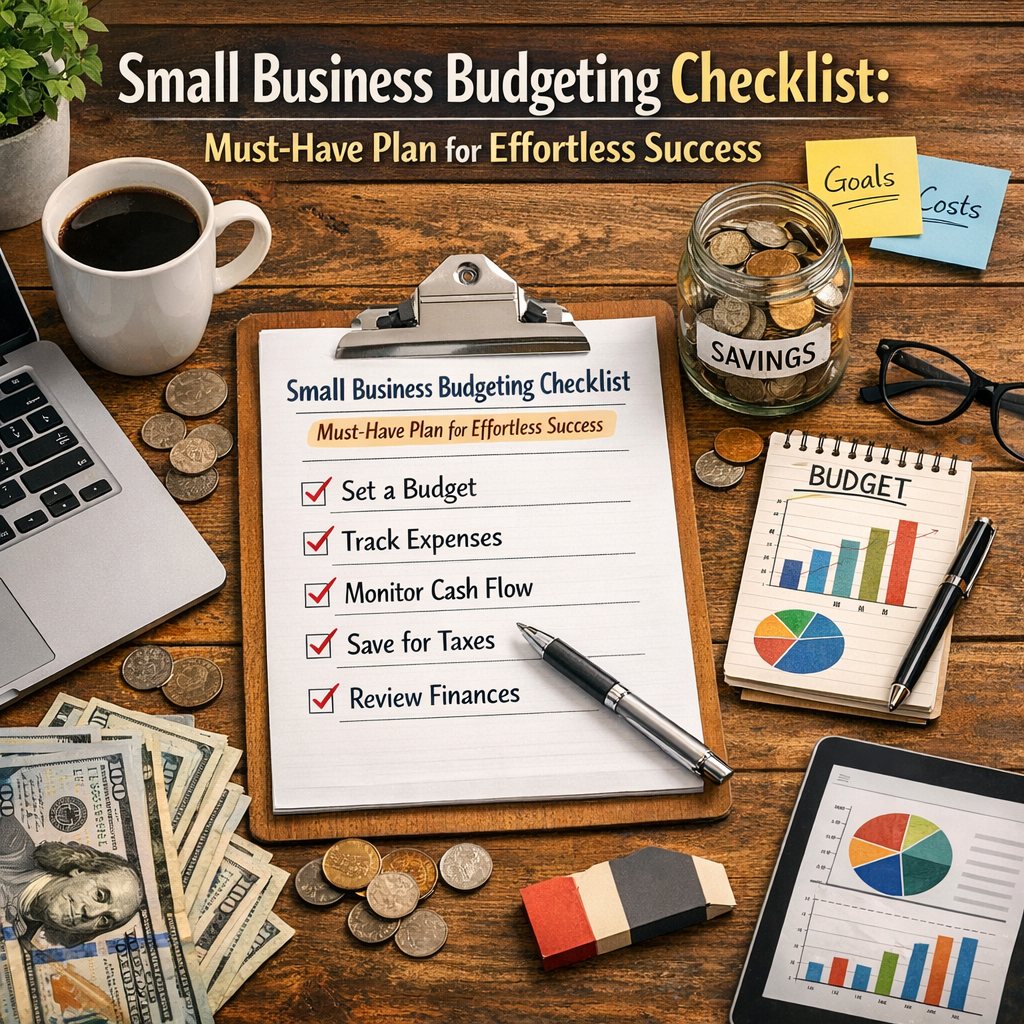
A small business budgeting plan is more than just numbers on a spreadsheet—it’s a strategic tool that offers visibility into your income, expenses, and potential investment opportunities. It helps business owners allocate resources wisely, anticipate shortfalls, and prepare for growth. Without a clear budget, businesses risk overspending, missing payment deadlines, or under-investing in critical areas like marketing and product development.
Additionally, a budget plan serves as a communication tool for stakeholders, investors, and employees. It enables everyone involved to understand the financial priorities and limits, fostering transparency and collaboration.
Essential Components of a Small Business Budgeting Checklist
Creating an effective budgeting checklist requires a comprehensive look at your business’s financial needs and goals. Below are key elements every small business should include:
1. Assess Your Income Sources
Start by identifying all potential revenue streams. This could include:
– Sales of products or services
– Recurring subscriptions or memberships
– Investment income or partnerships
– Other sources such as grants or loans
Understanding your total income baseline lets you project realistic revenue goals and manage cash flow efficiently.
2. Track Fixed and Variable Expenses
Categorizing expenses is vital for clarity:
– Fixed Expenses: Rent, salaries, insurance, utilities—costs that remain relatively constant each month.
– Variable Expenses: Marketing costs, supplies, commissions—these fluctuate depending on your business activity.
Maintaining accurate records of these expenses allows you to see where you can cut costs or where additional investment might be needed.
3. Include One-Time and Occasional Expenses
Don’t forget irregular costs such as equipment purchases, software subscriptions, maintenance fees, or professional services like accounting or legal consultation. These line items, though not monthly, must be budgeted to avoid surprises.
4. Set Aside a Contingency Fund
Unexpected expenses can derail even the best plans. Allocating 5-10% of your budget as an emergency fund safeguards your operations from unforeseen challenges.
5. Plan for Taxes and Compliance Costs
Taxes can significantly impact your cash flow, so estimating these liabilities and setting aside funds accordingly ensures timely payments and avoids penalties.
6. Forecast Cash Flow
A cash flow forecast helps predict when cash will come in and go out, giving you insight into potential shortages or surpluses in advance. This foresight is essential for maintaining business stability.
7. Define Profit Goals
Your budget should not only cover expenses but also outline profit objectives. Establishing clear profit goals encourages disciplined spending and prioritizes growth initiatives.
8. Review and Adjust Regularly
A budgeting checklist is not static. Regular reviews—monthly or quarterly—ensure your plan remains aligned with business realities and market conditions.
Developing a Small Business Budgeting Plan: Step-by-Step
Building on the checklist, here’s how to craft your plan:
1. Gather Historical Data
Collect past financial statements, invoices, and receipts to understand previous patterns.
2. Set Clear Objectives
Determine what you want your budget to achieve—cost reduction, revenue growth, expansion funding, etc.
3. Create a Budget Template
Use software tools or spreadsheets to organize income, expenses, profits, and cash flow in one place.
4. Allocate Resources
Assign budget amounts to each category based on research and business priorities.
5. Monitor Performance
Implement monthly tracking to compare actual results against the budget and make necessary adjustments.
6. Engage Your Team
Involve key staff members in the budgeting process for better buy-in and accuracy.
Benefits of Using a Small Business Budgeting Checklist
A well-constructed budget offers multiple advantages:
– Improved Decision Making – Knowing your financial position helps you make informed choices.
– Enhanced Financial Control – Budget limits prevent overspending and encourage accountability.
– Greater Confidence – Having a plan reduces uncertainty, giving you peace of mind.
– Funding Readiness – A clear budget supports loan applications and investor presentations.
– Growth Support – Proper resource allocation accelerates business development.
Final Thoughts
Implementing a small business budgeting checklist is an indispensable step toward effortless success. It equips you with the tools needed to manage your finances systematically, anticipate challenges, and seize opportunities.
Start building your small business budgeting plan today by following this guide, and set your venture on a path toward sustainable growth and profitability.
—
By prioritizing budgeting and regularly reviewing your financial picture, you empower your business to thrive in competitive markets while minimizing risks. Remember, the key to financial success lies in proactive planning—so invest the time and effort upfront and watch your small business flourish.