Best Tips for Emergency Funds: Must-Have Strategies for Financial Security
When it comes to personal finance, having a solid emergency fund is one of the most important steps you can take to protect yourself from unexpected financial challenges. The best tips for emergency funds focus on building a reliable safety net that provides peace of mind and stability in times of crisis, whether it’s a sudden medical expense, car repair, or job loss. In this article, we’ll explore effective strategies and emergency funds tips that will help you build and maintain financial security.
Why an Emergency Fund is Essential
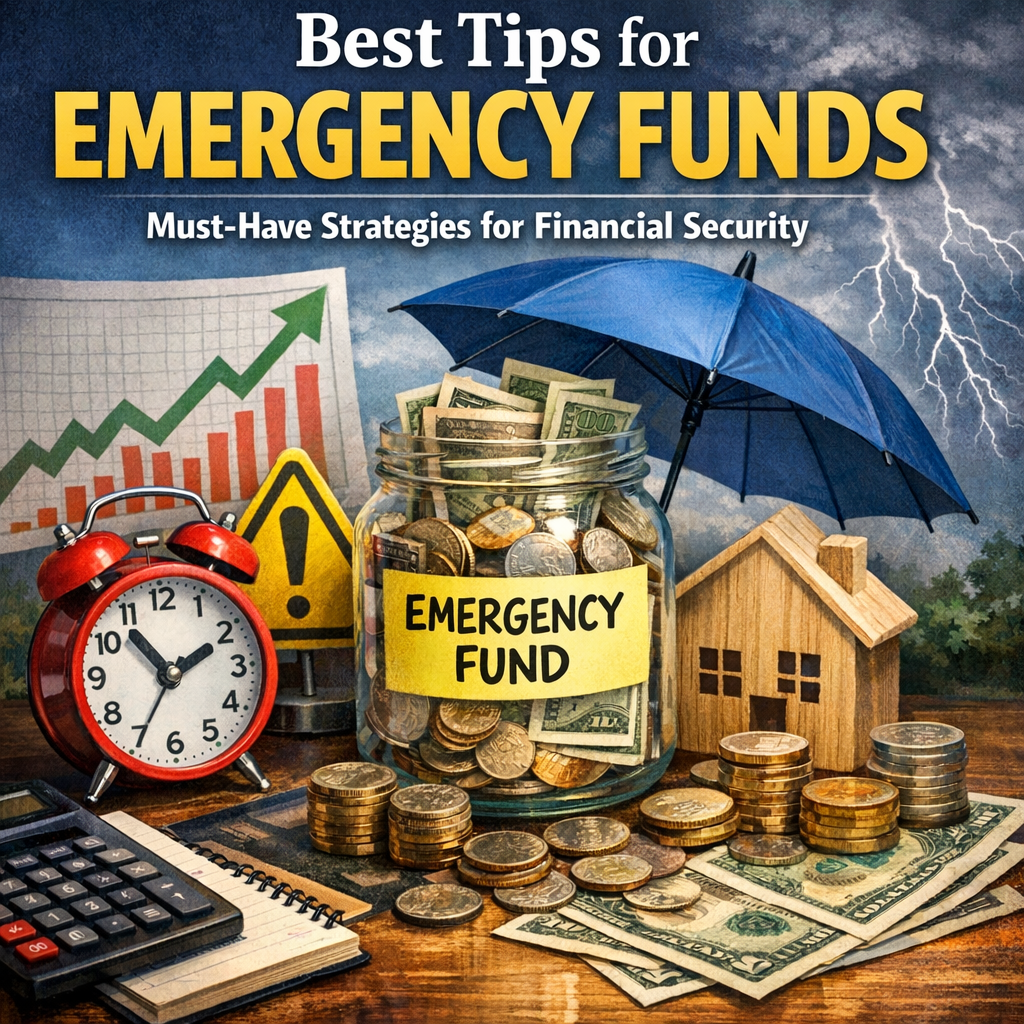
An emergency fund is a dedicated pool of money set aside to cover unforeseen expenses that can disrupt your financial well-being. Without an emergency fund, people often turn to high-interest debt such as credit cards or payday loans, which can further complicate their financial situation. The primary goal of an emergency fund is to offer a financial cushion, allowing you to cover urgent costs without derailing your long-term financial goals.
Financial experts generally recommend saving between three to six months’ worth of living expenses in an emergency fund. However, your ideal amount may vary based on your personal circumstances, including your job stability, family size, monthly expenses, and risk tolerance.
Best Tips for Emergency Funds: Start Small, Think Big
One of the biggest obstacles when starting an emergency fund is simply getting started. If the idea of saving thousands of dollars feels overwhelming, begin with manageable goals. Even saving $500 as a starter emergency fund can cover many common emergencies, such as a minor car repair or unexpected medical bill.
Set realistic savings goals: Break your savings into smaller, incremental targets. For example:
– Save $500 within 3 months
– Increase to $1,000 in 6 months
– Work up to 3-6 months of expenses over time
Breaking the goal down can help you stay motivated and create momentum.
How to Build Your Emergency Fund Faster
To expedite emergency fund growth, consider automating your savings. Set up automatic transfers from your checking account to a dedicated savings account on each payday. This “pay yourself first” approach encourages consistent saving without the temptation to spend the money.
Another smart move is to trim discretionary spending. Review your monthly budget and identify areas where you can cut back temporarily—such as dining out, subscriptions, or impulse purchases—to divert more money into your emergency fund.
Additionally, allocate windfalls wisely. Tax refunds, bonuses, cash gifts, or side gig earnings can all be excellent opportunities to boost your emergency fund balance.
Where to Keep Your Emergency Fund
Not all savings accounts are created equal, especially when it comes to emergency funds. The best tips for emergency funds emphasize liquidity and accessibility while also seeking some return to combat inflation.
A high-yield savings account is ideal because it offers easy access to your money without penalties, unlike certificates of deposit (CDs) that lock up funds. Look for accounts with no fees and competitive interest rates to maximize the value of your emergency fund.
Some people choose to keep a small portion of their fund in cash at home for absolute immediate access, but this should be complemented with online savings for larger amounts.
Emergency Funds Tips: When to Use Your Emergency Fund
Knowing when to dip into your emergency fund is just as important as building it. This fund is reserved strictly for true emergencies — unexpected situations that require immediate financial attention and that can’t be anticipated or budgeted for.
Examples include:
– Medical emergencies or urgent health expenses
– Sudden job loss or reduced income
– Major car or home repairs (not routine maintenance)
– Unexpected travel for family emergencies
Avoid using your emergency fund for planned expenses, vacations, lifestyle upgrades, or regular bills that can be paid through your normal income and budget.
Replenishing Your Fund After Use
One key emergency funds tip that often gets overlooked is replenishing the fund after an emergency. After you use any portion of your emergency money, make replenishment the top financial priority again. Otherwise, you may find yourself vulnerable the next time a crisis hits.
Create a repayment plan based on your budget and timeframe. Resume automatic savings transfers and, if possible, increase the amount saved until your account reaches the recommended balance.
Final Thoughts: Financial Security Through Preparedness
Building and maintaining an emergency fund requires discipline and commitment, but the peace of mind it provides is priceless. By applying the best tips for emergency funds and following these straightforward strategies, you put yourself in a stronger position to face life’s inevitable uncertainties. Remember, the goal is to protect your financial security and avoid the stress and complications that come with unplanned expenses.
Start today—small steps lead to substantial financial resilience tomorrow.