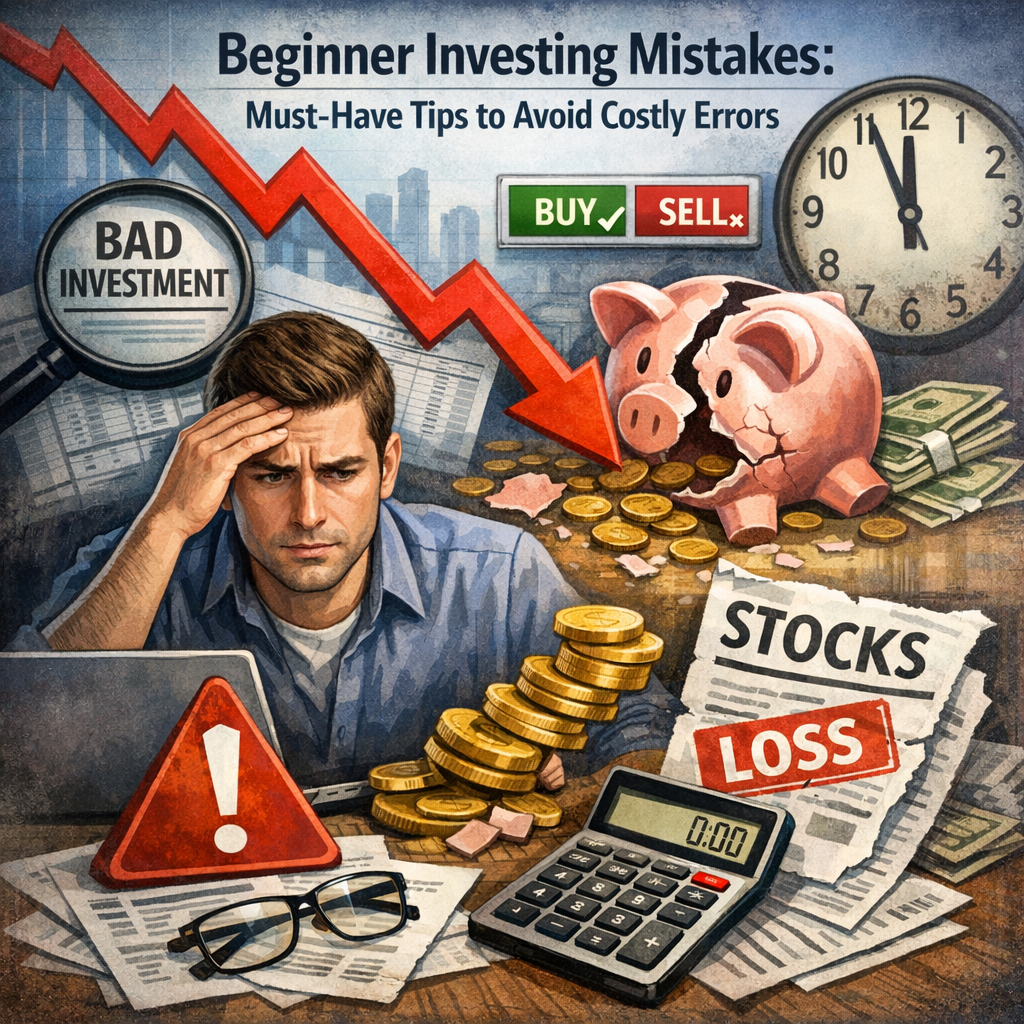
Beginner Investing Mistakes: Must-Have Tips to Avoid Costly Errors
Diving into the world of investing can be both exciting and overwhelming, especially for those new to the game. One of the biggest hurdles new investors face is navigating the pitfalls that come with beginner investing mistakes. These errors can be costly, not only in terms of money but also in confidence. Fortunately, with the right guidance and a bit of caution, you can steer clear of these blunders and build a solid foundation for your financial future. Below, we explore some common beginner investing mistakes and share essential beginner investing tips to help you avoid costly errors.
Understanding Common Beginner Investing Mistakes
Before you jump into the stock market or other investment avenues, it’s crucial to recognize where many newcomers go wrong. By identifying these mistakes early on, you can ensure a smoother investment journey.
1. Lack of Research and Knowledge
One of the most frequent beginner investing mistakes is jumping into investments without sufficient research. Many new investors rely on hearsay, tips from friends, or social media trends without fully understanding what they are investing in. This often leads to risky decisions and losses.
Tip: Take time to learn the basics of investing, different asset classes, and how markets work. Use reputable sources like financial news sites, books, and online courses to build your knowledge.
2. Ignoring Risk Tolerance
Every investor has a different risk tolerance based on their financial situation, age, and goals. Beginners often overlook this and invest in high-risk assets that don’t align with their comfort level. The emotional roller coaster can lead to panic selling during market downturns.
Tip: Assess your risk tolerance honestly. If you’re risk-averse, start with safer investments like bonds or index funds. Adjust your portfolio as you become more comfortable and knowledgeable.
3. Lack of a Clear Plan
Investing without a plan is like sailing without a compass. Beginner investors sometimes pick stocks or funds based on hype rather than a strategic approach tied to their financial goals.
Tip: Define your investment objectives (e.g., retirement, buying a home), time horizon, and how much risk you are willing to take. A clear plan helps you stay focused and make better decisions.
Essential Beginner Investing Tips to Stay on Track
Avoiding costly errors is easier when you follow tried-and-true beginner investing tips. Here are several key practices to implement early on.
Diversify Your Portfolio to Reduce Risk
Putting all your money into a single stock or asset class is a classic beginner investing mistake. Diversification spreads your investments across various assets, sectors, and even geographic regions to reduce risk. If one investment underperforms, others might balance it out.
Tip: Consider low-cost index funds or ETFs that automatically provide diversification. This is a straightforward way to get broad market exposure without needing to pick individual stocks.
Avoid Trying to Time the Market
Trying to buy low and sell high sounds simple in theory but is notoriously difficult in practice. Many beginners waste time trying to predict market movements and end up making emotional decisions.
Tip: Adopt a long-term perspective and consistent investing strategy, such as dollar-cost averaging—investing a fixed amount regularly regardless of market conditions. This reduces the risk of investing a large sum at an inopportune moment.
Don’t Overlook Fees and Expenses
Hidden fees eat into your investment returns over time. Beginner investors often ignore fund expense ratios, brokerage fees, or account maintenance charges.
Tip: Choose low-cost investment options and be mindful of transaction costs. Over the years, low fees can significantly improve your overall returns.
Keep Emotions Out of Investing
Fear and greed can lead to impulsive buys or panicsales—both detrimental to your investment success. Markets fluctuate, and downturns are normal.
Tip: Stick to your plan and review your portfolio periodically but avoid making decisions based on short-term market noise. Discipline and patience are key virtues in investing.
Starting Small and Staying Consistent
Beginner investors should remember that investing is a marathon, not a sprint. Starting with smaller amounts allows you to learn and grow your confidence. Consistency is more important than trying to make a fortune quickly.
Regular contributions, even modest ones, harness the power of compounding—your investments earning returns over time, which then generate their own returns.
Conclusion
Avoiding beginner investing mistakes is essential if you want to build wealth steadily and confidently. By educating yourself, diversifying your investments, keeping emotions in check, and following practical beginner investing tips, you can significantly reduce costly errors. Remember, investing is a journey filled with learning and growth. Approach it with patience, discipline, and a well-thought-out plan, and you’ll be well on your way to achieving your financial goals.