Emergency Funds Mistakes: 7 Must-Have Tips to Avoid Costly Errors
Emergency funds are a financial lifeline, providing a cushion during unexpected situations such as medical emergencies, sudden job loss, or urgent home repairs. However, even those who diligently save can fall prey to common emergency funds mistakes that undermine their financial security. Avoiding these pitfalls is crucial for building a reliable safety net that stands the test of time. In this article, we’ll explore seven essential emergency funds tips to help you steer clear of costly errors and ensure your financial peace of mind.
Understanding Common Emergency Funds Mistakes
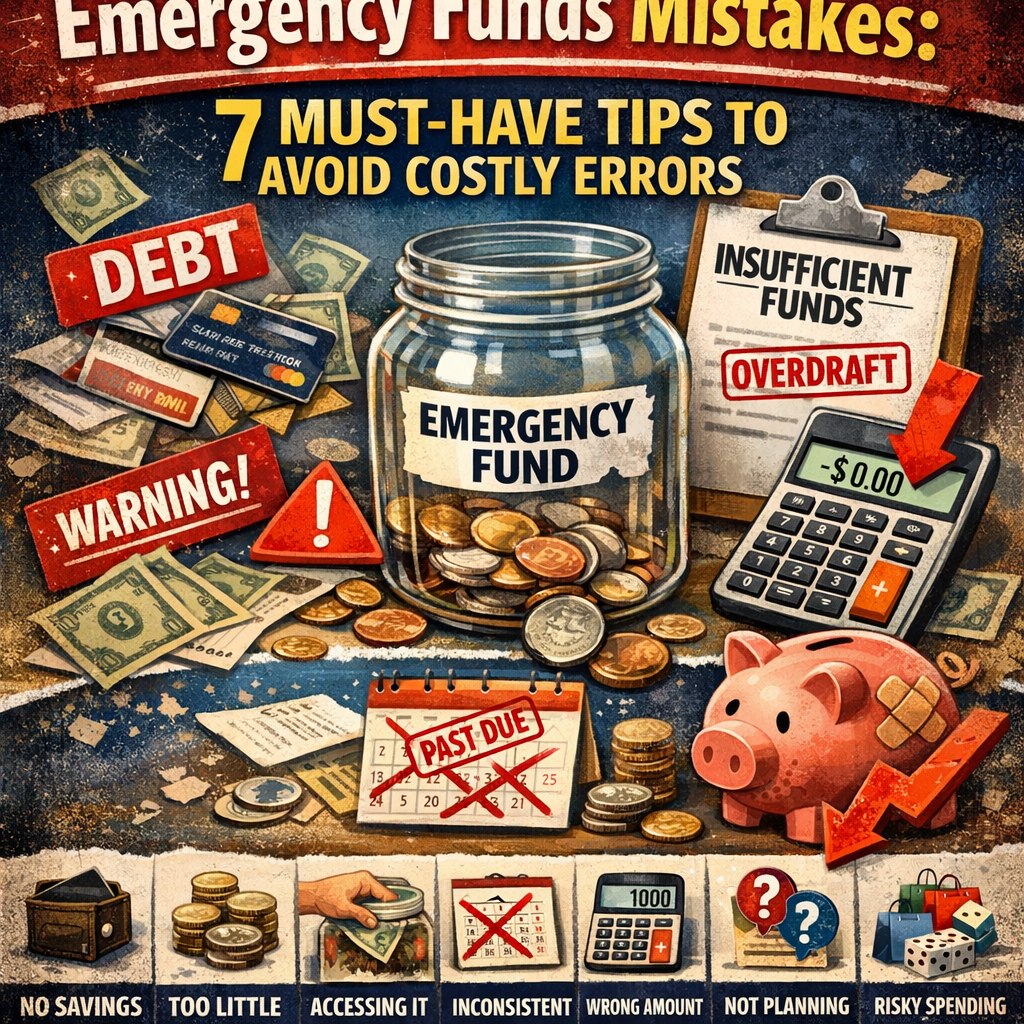
Before diving into actionable advice, it’s important to understand why people often stumble when managing their emergency savings. From underestimating how much to save to dipping into funds prematurely, these mistakes can leave you vulnerable during critical moments. Recognizing these errors is the first step toward a stronger financial foundation.
1. Underfunding Your Emergency Fund
One of the most frequent emergency funds mistakes is setting aside too little money. Financial experts typically recommend saving three to six months’ worth of essential expenses. This includes rent or mortgage, utilities, groceries, insurance, and any other non-negotiable bills. Failing to meet this benchmark can render your fund inadequate when genuine emergencies arise.
Emergency funds tip: Calculate your total monthly essential expenses and multiply by at least three. Adjust this figure if your job is less stable or your family depends heavily on your income, aiming for six or even nine months of coverage.
2. Using Your Emergency Fund for Non-Emergencies
Another common pitfall is treating the emergency fund like a regular savings account for discretionary spending. While it might be tempting to use these savings for vacations, gadgets, or everyday purchases, doing so defeats the purpose of having an emergency fund.
Emergency funds tip: Create separate savings accounts for different goals. Treat your emergency fund as untouchable except for true emergencies like medical bills, urgent home repairs, or unexpected job loss.
3. Avoiding the Fund Because of Psychological Barriers
Some individuals hesitate to build an emergency fund due to psychological hurdles such as feeling overwhelmed by financial goals or thinking saving small amounts won’t matter. This mindset often leads to procrastination or incomplete savings efforts.
Emergency funds tip: Start small and stay consistent. Even a modest monthly contribution builds up over time. Automate savings by setting up direct deposits or scheduled transfers to make the process effortless.
4. Keeping the Money in Inaccessible Accounts
While security is vital, placing your emergency fund in accounts that are difficult to access—like retirement accounts or investments with withdrawal penalties—can leave you cash-strapped when you need funds urgently.
Emergency funds tip: Choose high-yield savings accounts, money market accounts, or other liquid, low-risk options that allow quick access without penalties. Your priority should be safety and liquidity, not high returns.
5. Not Adjusting Emergency Fund Amount for Life Changes
Life is dynamic, and your financial needs evolve as you move through different stages. Sticking to the same emergency fund target without reviewing your current circumstances is a critical mistake. For example, a new baby, mortgage, or change in employment status can significantly impact the amount you need saved.
Emergency funds tip: Periodically reassess your emergency fund. Update your target savings amount based on changes like increased expenses, dependents, or income fluctuations. Review annually or after major life events.
6. Neglecting to Replenish After Use
One of the most overlooked emergency funds mistakes is failing to rebuild the fund after an emergency withdrawal. Using your savings for an urgent expense only to leave it depleted invites risk if a new crisis happens before replenishment.
Emergency funds tip: Prioritize rebuilding your emergency fund as soon as possible after use. Temporarily reduce non-essential spending or find additional income sources to expedite restoring your safety net.
7. Overestimating What Constitutes an Emergency
Finally, misjudging what qualifies as a true emergency can either cause frequent unnecessary withdrawals or discourage using your fund altogether. Emergencies are unplanned, unavoidable expenses critical to your well-being or financial stability—not routine expenses or planned purchases.
Emergency funds tip: Clearly define what emergencies justify using the fund. Examples include medical crises, essential car repairs for commuting, urgent home repairs to prevent further damage, and loss of income impacting your ability to pay bills.
—
Conclusion: Mastering Emergency Funds Saves More Than Money
Avoiding emergency funds mistakes requires discipline, clarity, and ongoing effort. By understanding why people falter and applying these seven essential tips, you can build and maintain a safety net that supports you through life’s unpredictable challenges. Remember, the goal of an emergency fund isn’t just accumulating cash—it’s providing you with peace of mind and financial resilience.
Start today by evaluating your current savings strategy, making clear distinctions between needs and wants, and committing to steady, manageable contributions. When it comes to emergency funds, preparation truly is the best protection.