Beginner Investing Checklist: Must-Have Steps for an Effortless Plan
Starting your investment journey can feel overwhelming, especially when you’re new and unsure of where to begin. A beginner investing checklist is an invaluable tool to help guide you through the critical steps that ensure smart, confident, and deliberate investment choices. By following a streamlined and thoughtful process, creating a solid foundation for your beginner investing plan becomes much easier, setting you on a path toward financial growth and stability.
In this article, we’ll walk through essential steps every novice investor should take before diving into the market, with practical advice to keep your strategy straightforward and effective.
Understand Your Financial Goals and Timeline
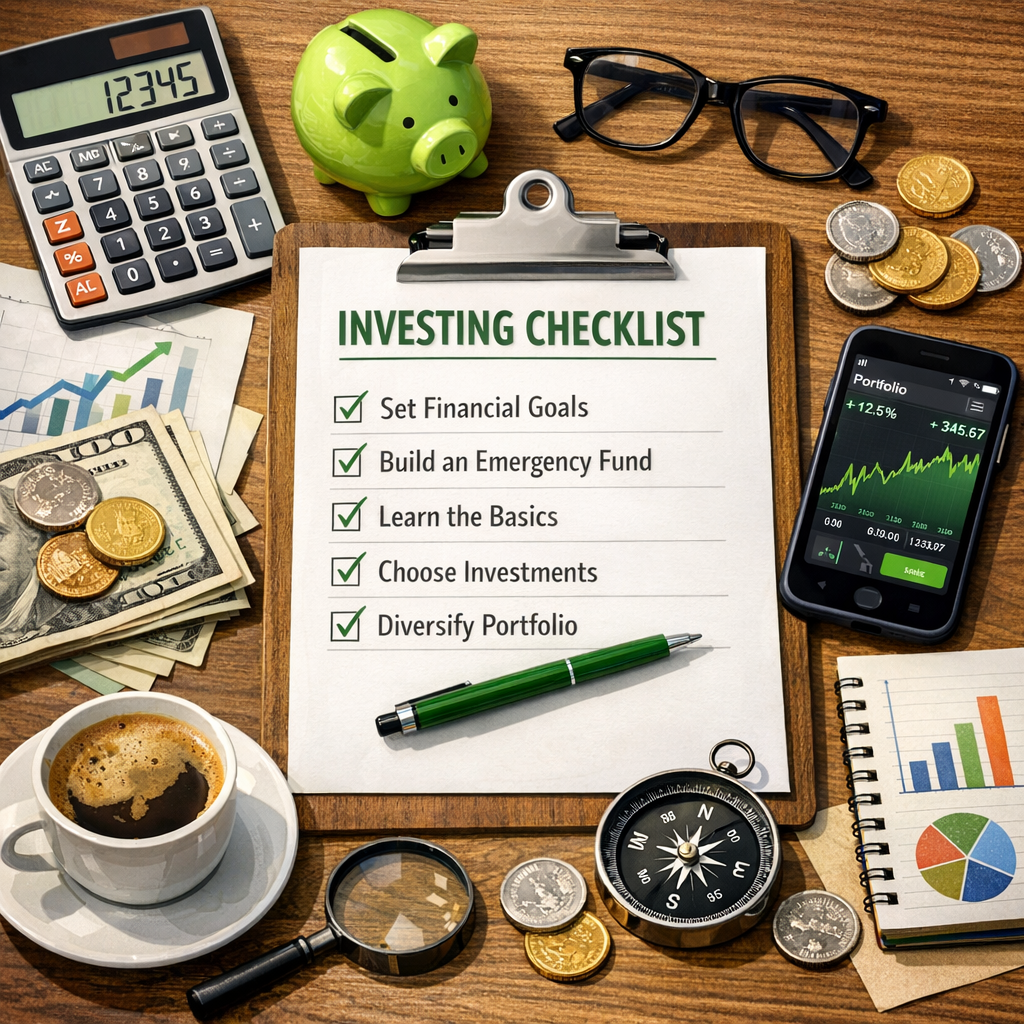
Before you put any money into investments, it’s critical to clarify what you want to achieve. Your financial goals will shape your investment choices, risk tolerance, and timeline. Are you saving for a down payment on a house, planning for retirement decades away, or simply looking to grow your emergency fund?
Write down clear, achievable goals and consider the length of time you are willing to let your investments grow. For instance, long-term goals generally allow for more aggressive strategies since you have time to ride out market fluctuations, whereas short-term goals require a more conservative approach.
Build an Emergency Fund First
One of the most common mistakes beginners make is investing money they might need in an emergency. Before you commit funds to stocks, bonds, or other assets, make sure you have an easily accessible emergency fund. Typically, this should cover three to six months’ worth of essential expenses.
Having this fund in place provides a financial safety net, so if unforeseen expenses arise, you won’t have to liquidate your investments prematurely, potentially at a loss.
Educate Yourself on Investment Basics
A sound beginner investing plan depends heavily on understanding the fundamentals. Take time to familiarize yourself with key investment concepts such as:
– Different asset classes (stocks, bonds, mutual funds, ETFs)
– Risk and return trade-offs
– Diversification and asset allocation
– How fees and taxes impact returns
– The power of compound interest
Many free resources, online courses, and books are available that break down these principles in easy-to-understand language. Getting comfortable with the basics will increase your confidence and help prevent costly mistakes.
Choose the Right Investment Accounts
Depending on your goals, you might want to open investment accounts with specific tax advantages or features. Common types include:
– Retirement accounts: Such as IRAs or 401(k)s, which offer tax benefits for retirement savings.
– Taxable brokerage accounts: More flexible for investing without retirement-specific restrictions.
– Education savings accounts: Like 529 plans, if you’re saving for college.
Selecting the right type of account ensures you optimize your investment returns and avoid unnecessary taxes or penalties.
Decide on Your Investment Strategy
Your risk tolerance and goals will dictate the type of investments suited for your portfolio. Many beginners benefit from a diversified approach by investing in low-cost index funds or exchange-traded funds (ETFs) that cover a wide range of assets.
Consider how aggressively you want to invest. Younger investors might tolerate more volatility for potentially higher returns, while those closer to needing their money might prioritize stability.
A beginner investing checklist should therefore include:
– Assessing your comfort level with risk
– Deciding between active vs. passive investing
– Determining your target asset allocation (e.g., 70% stocks, 30% bonds)
Start Small and Automate Contributions
You don’t need thousands of dollars to start investing. Many platforms now allow you to begin with small amounts, even as little as $50 a month. Regular investing, often called dollar-cost averaging, mitigates the impact of market volatility by spreading your purchases over time.
Automating your contributions makes it effortless to stick with your plan and builds investing into your monthly routine, which is a crucial part of a successful beginner investing plan.
Monitor and Rebalance Your Portfolio Regularly
Once you start investing, periodically review your portfolio to ensure it aligns with your original asset allocation and goals. Over time, certain investments may grow faster than others, skewing your allocation and potentially increasing your risk beyond your comfort level.
Rebalancing—selling some assets and buying others to return to your target distribution—helps maintain your desired risk profile and improves long-term returns.
Avoid Common Pitfalls and Emotional Investing
New investors often fall prey to emotional decision-making, such as panic selling during market downturns or chasing “hot” stocks based on hype. Sticking to your plan, avoiding impulsive moves, and focusing on your long-term objectives are key to building wealth steadily.
Additionally, watch out for high fees, excessive trading, or scams promising guaranteed returns—if it sounds too good to be true, it usually is.
Conclusion
A well-thought-out beginner investing checklist is the cornerstone of a successful, stress-free journey into building wealth. By setting clear goals, establishing a safety net, educating yourself, choosing the right accounts, selecting a balanced investment strategy, automating your contributions, and remaining disciplined, you position yourself for financial growth that can last a lifetime.
Remember, investing is not about rushing or taking unnecessary risks but about creating a plan that fits your lifestyle and helping your money work for you over time. Use this checklist as your roadmap to an effortless and confident start.