Best Tips for ETF Investing: Must-Have Strategies for Effortless Success
When it comes to growing your wealth steadily and with relatively low risk, best tips for ETF investing can be a game-changer. Exchange-Traded Funds (ETFs) have surged in popularity among both beginners and seasoned investors due to their flexibility, diversity, and cost-effectiveness. However, like any investment vehicle, success requires smart strategies and a good understanding of how to maximize their potential. In this article, we’ll explore some essential ETF investing tips to help you navigate the market smoothly and build a robust portfolio.
Understanding ETF Basics Before You Begin
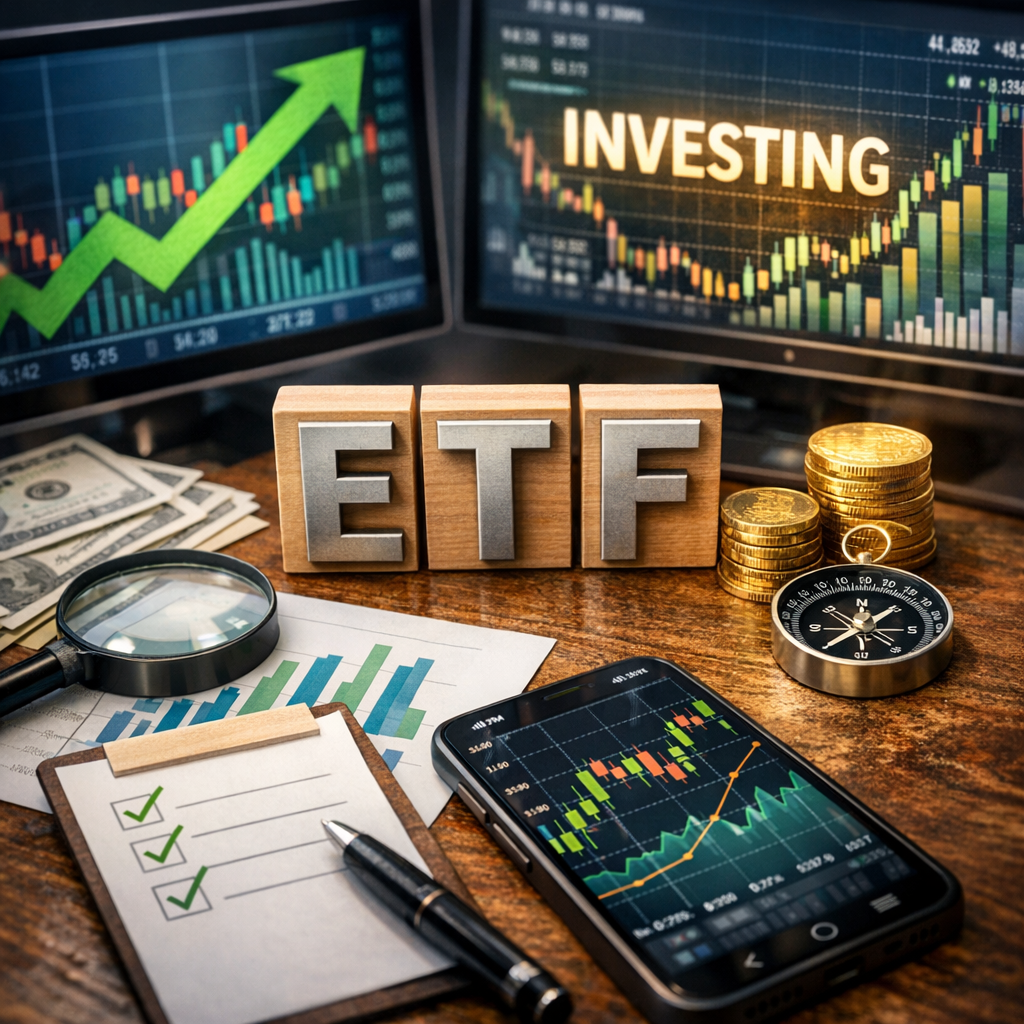
Before diving into specific strategies, getting familiar with what ETFs are and how they work is crucial. ETFs are investment funds traded on stock exchanges, much like individual stocks. They typically hold a basket of assets such as stocks, bonds, or commodities, providing investors instant diversification. This structure helps to reduce risk compared to investing in single stocks.
Knowing the different types of ETFs—such as index-based, sector-specific, bond ETFs, and actively managed ETFs—will allow you to choose the ones that best align with your financial goals.
ETF Investing Tips: Diversify to Reduce Risk
One of the best tips for ETF investing is to diversify your holdings across various asset classes and sectors. Since ETFs inherently provide diversification within a single fund, investors can go a step further by combining multiple ETFs that cover different markets. For example, you might include a broad-market index ETF, an international equity ETF, and a bond ETF in your portfolio.
Diversification helps to shield your investments from volatility in any particular sector or region. It smooths out performance fluctuations and supports steady growth over time.
Focus on Low-Cost ETFs to Maximize Returns
Expense ratios can eat into your returns if they are too high, which is why paying attention to the costs involved in ETF investing is critical. One of the most valuable ETF investing tips is to select ETFs with low expense ratios. Many index-tracking ETFs have remarkably low fees compared to actively managed funds.
Lower costs mean more of your money stays invested and grows over time. While it’s essential to consider the fund’s expense ratio, also look at bid-ask spreads and commission costs to ensure a cost-efficient investment.
Use Dollar-Cost Averaging for Consistent Growth
Consistently investing a fixed amount of money into ETFs at regular intervals is a proven strategy known as dollar-cost averaging. This technique helps mitigate the risk of timing the market poorly by purchasing more shares when prices are low and fewer when prices are high.
Dollar-cost averaging makes ETF investing more disciplined and less stressful, helping you stay invested regardless of short-term market fluctuations. It’s especially beneficial for new investors aiming for long-term financial goals.
Understand the Tax Implications of ETFs
Another often overlooked aspect in the best tips for ETF investing is tax efficiency. ETFs are generally more tax-efficient than mutual funds because of their unique structure, which limits capital gains distributions. Still, investors should be mindful of the tax consequences of buying and selling ETFs.
Consider holding ETFs in tax-advantaged accounts like IRAs or 401(k)s where possible. Additionally, investing in tax-efficient ETFs or focusing on tax-loss harvesting strategies can help reduce your overall tax burden.
Keep an Eye on Tracking Error and Liquidity
When selecting ETFs, it’s important to check their tracking error—the degree to which the ETF’s performance deviates from the index or asset it aims to replicate. Lower tracking error indicates that the ETF closely follows the index, which is generally preferable.
Liquidity is another critical factor. Highly liquid ETFs allow for easy buying and selling without significant price impact. ETFs with higher average trading volumes tend to have tighter bid-ask spreads, saving you money on transactions.
Rebalance Your ETF Portfolio Periodically
Maintaining your desired asset allocation is key to managing risk effectively. Over time, different ETFs in your portfolio may grow or shrink unevenly, shifting your allocation away from your intended targets.
Regularly review and rebalance your ETF portfolio to bring it back in line with your risk tolerance and investment goals. This practice ensures you “sell high and buy low,” enhancing your overall returns.
Stay Committed to a Long-Term Plan
Finally, one of the simplest yet most impactful ETF investing tips is to maintain a long-term perspective. Markets will invariably experience ups and downs, but sticking with a well-chosen ETF portfolio over time can lead to significant wealth accumulation.
Avoid the temptation to react emotionally to short-term volatility. Instead, follow your investment plan, review periodically, and make adjustments based on your evolving financial situation—not the headlines.
—
Final Thoughts on the Best Tips for ETF Investing
By incorporating these strategies, you can harness the full potential of ETFs and achieve effortless investing success. Prioritize diversification, cost management, tax efficiency, and disciplined investing habits as you build a portfolio designed for steady growth. Remember, the key lies in consistency, education, and a clear understanding of your financial objectives. With the right approach, ETF investing can be a powerful tool on your journey toward financial freedom.