Best Tips for Meal Planning on a Budget: Exclusive Affordable Strategies
Meal planning on a budget can seem like a daunting task, especially with rising food costs and busy schedules. However, with the right approach, it’s entirely possible to eat delicious, nutritious meals without breaking the bank. By adopting some smart strategies and thoughtful habits, you can save money, reduce food waste, and enjoy stress-free cooking throughout the week. This article shares the best tips for meal planning on a budget, revealing exclusive affordable strategies that anyone can use.
Why Meal Planning on a Budget Matters
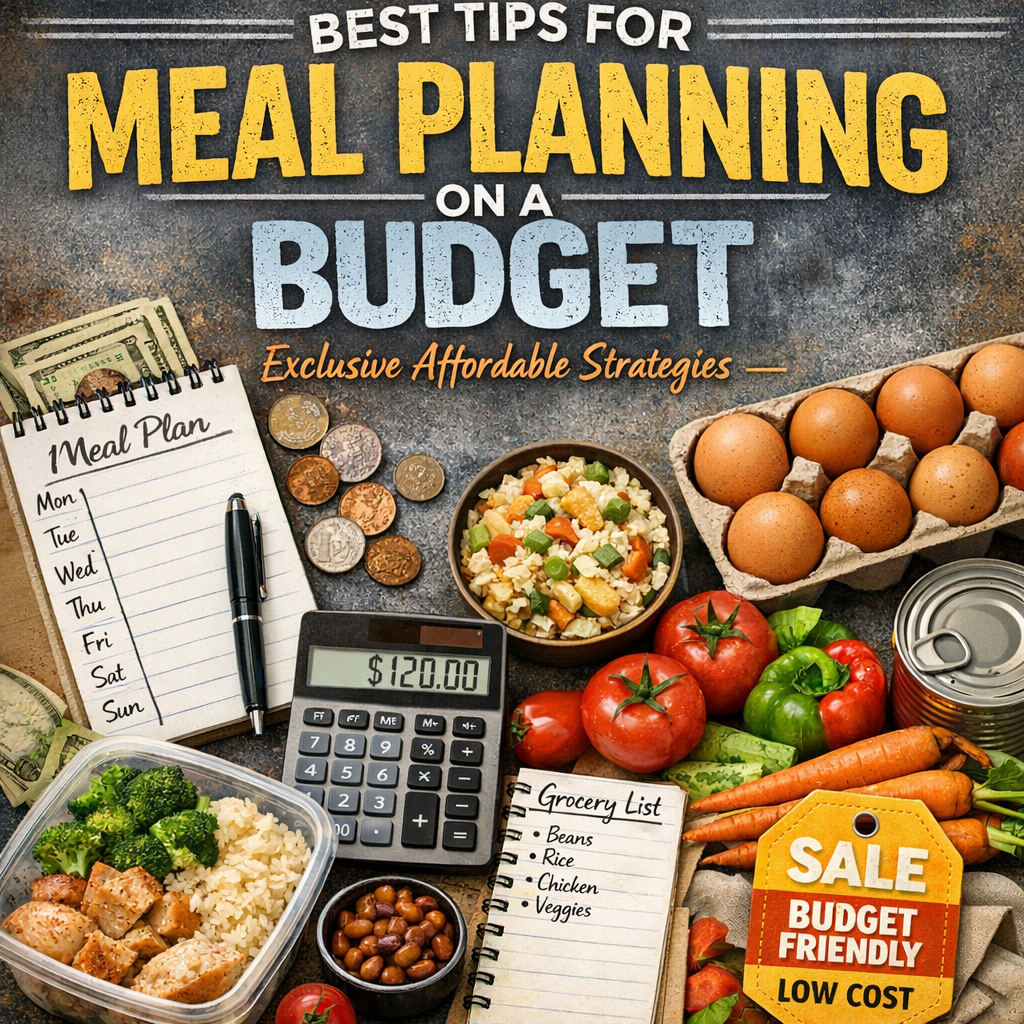
Before diving into practical advice, it’s important to understand why meal planning on a budget is beneficial. Planning your meals in advance allows you to control portions, avoid impulse buying, and make the most of seasonal produce or sale items. This can drastically cut down food expenses while ensuring you maintain a balanced diet. Additionally, having a plan reduces last-minute takeout orders or expensive convenience foods, which tend to be much pricier than home-cooked meals.
Best Tips for Meal Planning on a Budget
1. Start with Inventory and Meal Prepping
One of the fundamental meal planning on a budget tips is to take stock of what you already have at home. Check your pantry, refrigerator, and freezer to find ingredients that need to be used sooner rather than later. This not only prevents food waste but also reduces your grocery list.
Once your inventory is ready, create a weekly meal plan that incorporates these existing items with affordable staples. Prepare larger batches where possible, so you can freeze leftovers or pack lunches for busy days ahead. Batch cooking saves both time and money while ensuring you have meals ready to go.
2. Make a Realistic Grocery List and Stick to It
Impulse purchases are one of the biggest contributors to overspending at the grocery store. To avoid this, write a detailed shopping list based on your meal plan. Divide your list by categories such as produce, proteins, grains, and dairy to streamline your shopping trip.
Be disciplined and stick to your list, avoiding non-essential items or pre-packaged foods that add up quickly. For extra savings, consider using grocery store apps or coupons targeting budget-friendly items aligned with your shopping list.
3. Opt for Affordable Protein Sources
Protein is an essential part of most meals, but some varieties can be costly. To keep your budget in check, explore alternative and affordable protein options. Beans, lentils, eggs, and canned fish are excellent sources of nutrition without the high price tag of fresh meats.
Incorporate plant-based proteins regularly, as they tend to have a longer shelf life and are often less expensive. When buying meat, consider purchasing in bulk from wholesale stores, then portioning and freezing for future use.
4. Embrace Seasonal and Local Produce
Seasonal fruits and vegetables are usually less expensive and fresher than out-of-season or imported varieties. By planning meals around what’s in season, you can make your grocery bill more manageable while enjoying peak flavor and nutrition.
Farmers markets or local co-ops may offer competitive prices for fresh produce, and shopping locally helps support your community. Incorporating these items into your meal plans ensures variety and nutritional balance without overspending.
5. Use Versatile Ingredients Across Multiple Meals
One smart meal planning on a budget tip is to choose ingredients that can be used in several dishes throughout the week. For example, a whole roasted chicken can be transformed into multiple meals such as chicken salad, tacos, or soup.
Similarly, grains like rice or quinoa and versatile vegetables like onions, carrots, and potatoes can serve as the base for various recipes. This reduces waste while giving you more options and minimizing frequent store visits.
6. Limit Convenience Foods and Eating Out
Pre-packaged snacks, frozen meals, and takeout food often come with a higher price and added preservatives. Reducing reliance on convenience foods and learning to create simple homemade alternatives can significantly impact your budget.
Plan quick recipes that require minimal ingredients and preparation time to reduce the temptation of eating out. Keep healthy, ready-to-eat options like cut veggies or homemade granola bars on hand for busy days.
Final Thoughts on Meal Planning on a Budget Tips
Meal planning on a budget is a skill that improves with practice and mindfulness. By organizing your kitchen, making thoughtful grocery lists, embracing affordable and seasonal foods, and creatively using your ingredients, you can stretch your food dollars further without sacrificing taste or nutrition.
Remember that the best tips for meal planning on a budget involve balancing cost with convenience and variety. With these exclusive affordable strategies, anyone can create satisfying meals and maintain a healthy lifestyle while managing their finances effectively. Start planning your meals today and watch your savings—and satisfaction—grow.