Credit Score Improvement Checklist: Your Must-Have Plan for Best Results
Improving your credit can feel overwhelming, but a credit score improvement checklist is an invaluable tool to keep you on track toward your financial goals. Whether you’re aiming to qualify for a home loan, secure a lower interest rate, or simply strengthen your financial health, having a clear, actionable plan is essential. This article will guide you through the key steps in a comprehensive credit score improvement plan that anyone can follow to see meaningful progress.
Understanding the Importance of a Credit Score Improvement Checklist
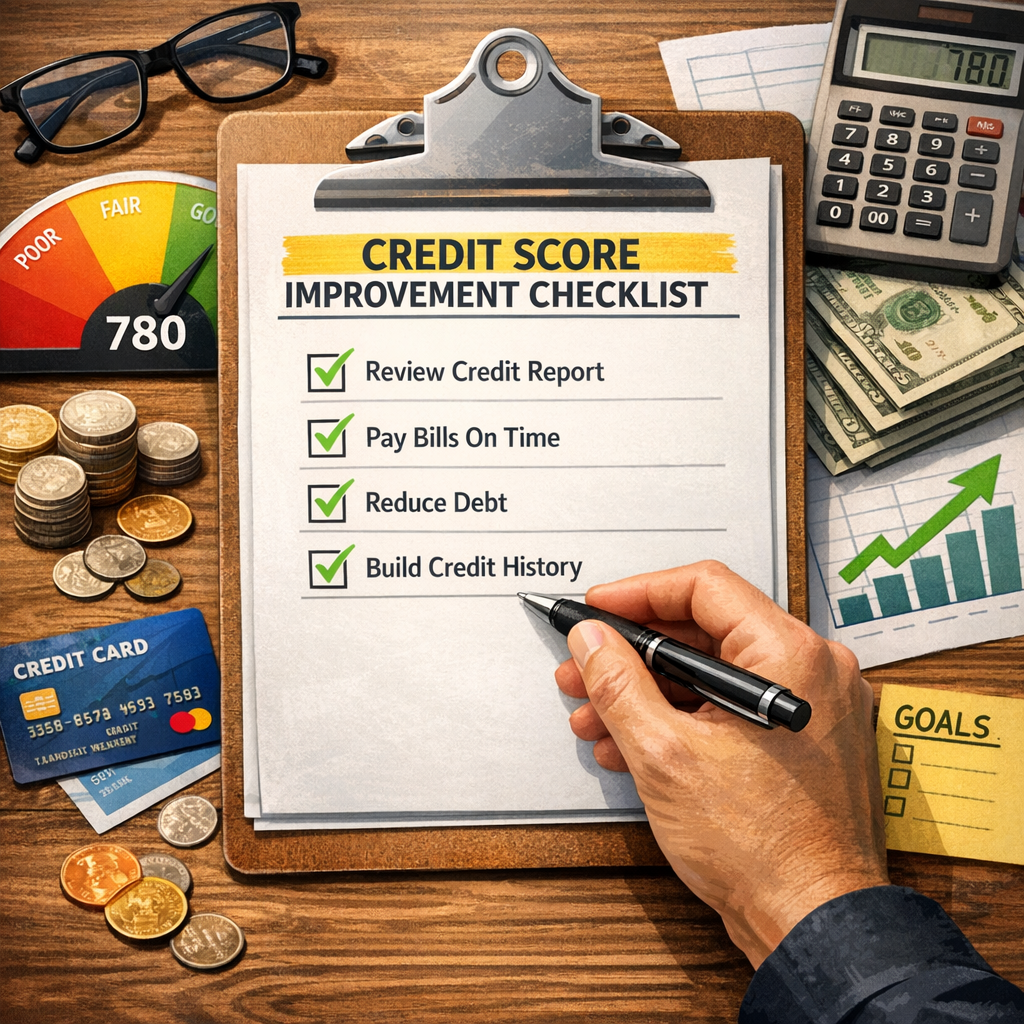
Your credit score is more than just a number; it represents your creditworthiness to lenders, landlords, insurers, and sometimes even employers. A higher score opens doors to better financial opportunities, while a lower score can lead to higher costs and limited options. But credit scores do not improve overnight. A checklist serves as a structured roadmap to consistently apply the best practices for managing your credit.
By following a checklist, you can break down the process into manageable tasks, maintain momentum, and easily monitor your progress. Here’s a well-rounded checklist designed to help you improve your credit score efficiently and sustainably.
Key Components of a Credit Score Improvement Plan
1. Obtain and Review Your Credit Reports
One of the first steps in any credit score improvement plan is to get a copy of your credit reports from the three major credit bureaus: Equifax, Experian, and TransUnion. You are entitled to a free report from each once every 12 months via AnnualCreditReport.com.
Review your reports carefully for any errors, such as incorrect account information, outdated entries, or fraudulent accounts. Dispute any inaccuracies immediately with the reporting bureau to get them corrected. Even small errors can drag down your score unnecessarily.
2. Pay Bills on Time, Every Time
Payment history accounts for about 35% of your credit score—the largest single factor. Establishing a consistent record of on-time payments is crucial. Set up automatic payments or reminders to avoid late or missed payments.
If you’re behind on bills, focus on catching up as quickly as possible. Consider contacting creditors directly to negotiate payment plans if you’re struggling. The goal is to avoid any new late payments and improve your payment history gradually.
3. Reduce Your Credit Utilization Ratio
Your credit utilization ratio—the amount of credit you’re using compared to your total available credit—should ideally be below 30%. High utilization signals risk to lenders and can lower your score.
To manage this, pay down existing credit card balances and avoid accumulating new debt. If possible, request credit limit increases to increase your available credit without spending more. Keep track of your utilization regularly to ensure it stays in a healthy range.
4. Avoid Opening Too Many New Accounts at Once
Each time you apply for new credit, a hard inquiry is made on your report, which can temporarily lower your score. Opening multiple credit accounts in a short span can signal increased risk.
Be strategic about opening new accounts. Only apply for credit when necessary and when it aligns with your overall credit score improvement plan. Over time, building a mix of credit types responsibly can benefit your score.
5. Keep Old Accounts Open
The length of your credit history impacts your score, so holding on to your oldest credit cards and accounts—even if you use them infrequently—is beneficial. Closing old accounts can shorten your credit history and remove positive payment records.
If you have cards with no annual fees, keeping them open and making occasional small purchases can maintain a strong credit history.
6. Diversify Your Credit Mix
Having a healthy mix of credit types—revolving credit like credit cards, and installment loans like car loans or mortgages—can boost your credit score. However, don’t take on debt you don’t need just to diversify.
Extend your credit mix responsibly and only when it fits your financial situation and credit score improvement plan.
7. Monitor Your Score Regularly
Regular monitoring helps you track the impact of your efforts. Many credit card companies and personal finance tools offer free credit score updates.
By keeping an eye on your score, you can respond quickly if something unexpected arises, such as a sudden drop due to an erroneous entry or new debt.
Final Thoughts: Commitment is Key for a Successful Credit Score Improvement Plan
A credit score improvement checklist acts like a personal trainer for your financial fitness. It provides clear steps to increase your credit standing over time. The key is consistency—regularly following these practices and being patient.
Remember, credit score improvement is a marathon, not a sprint. With discipline and a solid plan, you can build a credit profile that opens doors to better financial opportunities and greater peace of mind.
If you commit to this plan, sooner than you think, you’ll notice positive changes in your credit reports and score—and a stronger financial future.