Freelance Income Planning for Beginners: The Must-Have Guide
Freelance income planning for beginners is an essential step toward building a sustainable and thriving freelance career. Unlike traditional salaried jobs, freelancing offers flexibility, creativity, and autonomy—but it also comes with unpredictable income streams and financial uncertainty. For those just starting out, adopting effective income planning strategies can be the difference between financial stress and long-term success.
In this comprehensive guide, we’ll explore the core elements of beginner freelance income planning, offering practical tips to help new freelancers manage their finances smarter, build a reliable income flow, and achieve financial stability in their freelance journey.
Why Is Freelance Income Planning for Beginners Crucial?
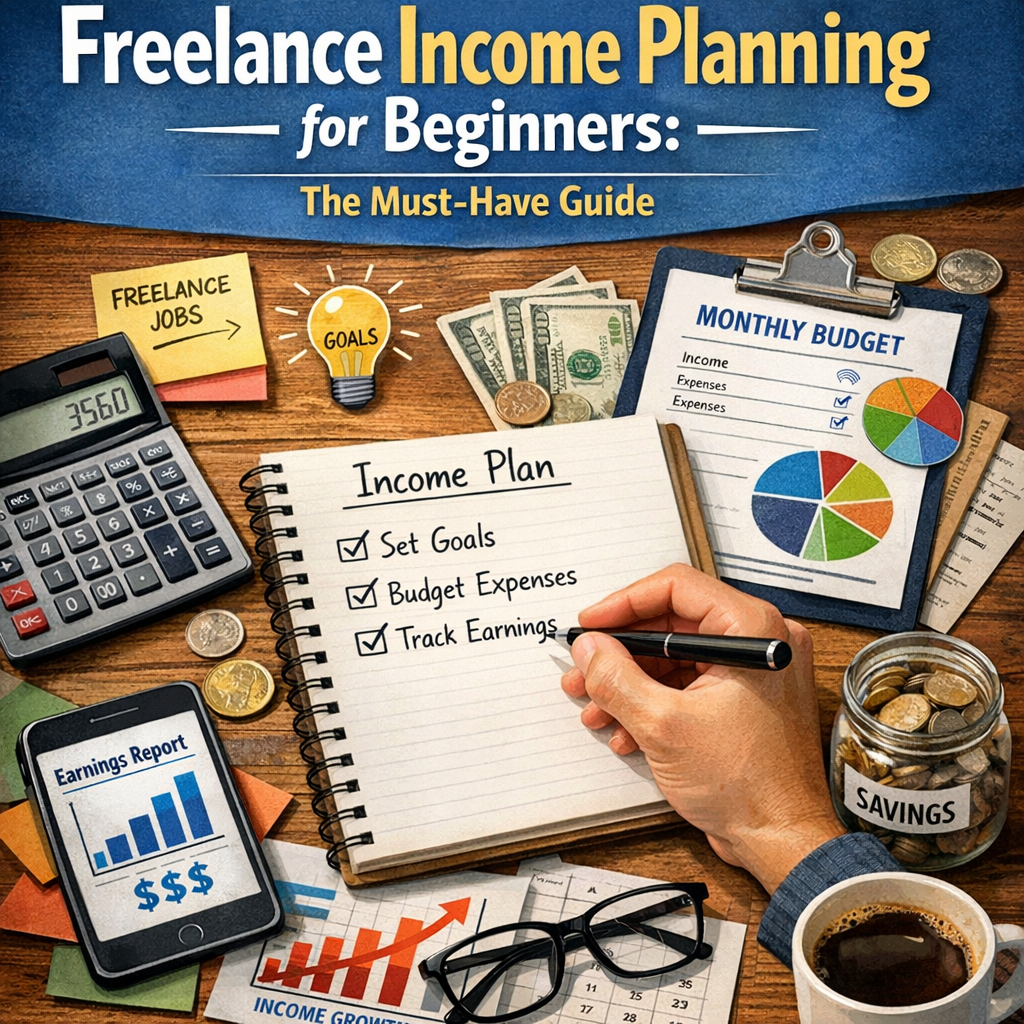
When you leave behind the predictable paychecks of a 9-to-5 job, financial planning becomes your safety net. Beginner freelance income planning is crucial for several reasons:
– Unstable income: Freelance earnings can fluctuate month to month, making budgeting difficult.
– Irregular payment cycles: Clients may delay payments or have varying billing periods.
– No employer benefits: Freelancers must manage their own taxes, health insurance, and retirement.
– Self-employed expenses: Costs for software, equipment, marketing, and workspace add up.
By planning your freelance income from the start, you protect yourself from financial surprises, reduce stress, and create a solid foundation for growth.
Key Steps in Beginner Freelance Income Planning
To master your freelance finances, focus on the following critical steps.
1. Track Your Income and Expenses from Day One
Even as a beginner, treating your freelance work like a business will serve you well. Using spreadsheets or financial software such as QuickBooks, FreshBooks, or even simple tools like Excel can help you monitor:
– Client payments
– Business-related expenses (tools, internet, subscriptions)
– Taxes withheld or owed
Tracking every dollar ensures you understand your cash flow and can make informed decisions.
2. Set Realistic Income Goals
Without a stable salary, it’s vital to forecast how much money you need to cover living costs and business expenses. Start by estimating:
– Monthly personal expenses (rent, food, utilities, debts)
– Business costs (software, marketing, office supplies)
– Emergency savings (three to six months of expenses)
From there, calculate how many projects or billable hours you’ll need to meet these goals. Regularly revisiting and adjusting these targets helps keep you on track.
3. Create a Buffer with an Emergency Fund
Freelance income rarely arrives on a set schedule, so having a financial cushion is a must. Aim to save enough to cover at least three months of essential expenses. This fund will help you:
– Manage lean periods without panic
– Say no to bad-paying or toxic clients
– Avoid reliance on credit cards or loans
4. Develop a Budget Tailored to Your Freelance Lifestyle
Budgeting helps you allocate resources effectively. Your budget should include:
– Fixed essential expenditures (rent, utilities)
– Variable expenses (entertainment, dining out)
– Business-related costs
– Savings and investments
Analyze your monthly cash flow, and prioritize saving a portion of your income to smooth out fluctuations.
5. Understand Your Tax Obligations
One of the trickiest parts of beginner freelance income planning is tax compliance. Unlike being employed, freelancers pay self-employment taxes, which cover Social Security and Medicare. Tips for managing taxes include:
– Setting aside 25-30% of each payment for taxes
– Making quarterly estimated tax payments to avoid penalties
– Keeping detailed records of deductible expenses
Consulting with an accountant early on can save you headaches later.
Additional Tips for Effective Beginner Freelance Income Planning
Diversify Your Income Sources
Relying on a single client or project type increases risk. Try to diversify by working with multiple clients or offering related services. This approach ensures more stable overall income even if one source slows down.
Invoice Promptly and Follow Up
Cash flow depends on clients paying you on time. Issue invoices as soon as a project completes and have a system to send polite reminders if a payment is late.
Invest in Skills and Tools
Spending money wisely on courses, certifications, or better equipment can lead to higher rates and more clients down the road.
Review and Adjust Regularly
Freelance income planning is an ongoing process. Every few months, review your earnings, expenses, and goals. Adjust your rates and budget as your experience and market demand grow.
Conclusion
Mastering freelance income planning for beginners sets the stage for financial stability and professional success. While freelancing can be unpredictable, thoughtful strategies like meticulous tracking, goal setting, budgeting, and tax management equip you to navigate the ups and downs confidently. Remember, the key lies in treating your freelance work as a business, planning ahead, and building habits that ensure your sustainable growth and financial well-being.
By implementing these insights today, beginner freelancers can transform their hustle into a rewarding and dependable career.