Freelance Income Planning Mistakes: Avoid These Costly Errors Today
Freelance income planning mistakes can quickly undermine your financial stability and growth, especially in the unpredictable world of self-employment. Many freelancers, whether just starting or seasoned professionals, struggle to balance irregular paychecks, fluctuating workloads, and unexpected expenses. Understanding and steering clear of common pitfalls can transform your freelance journey from a financial juggling act into a smoother, more sustainable venture.
In this article, we’ll explore some of the most frequent freelance income planning mistakes and provide actionable freelance income planning tips to help you build a robust financial foundation.
Why Freelance Income Planning Is Crucial
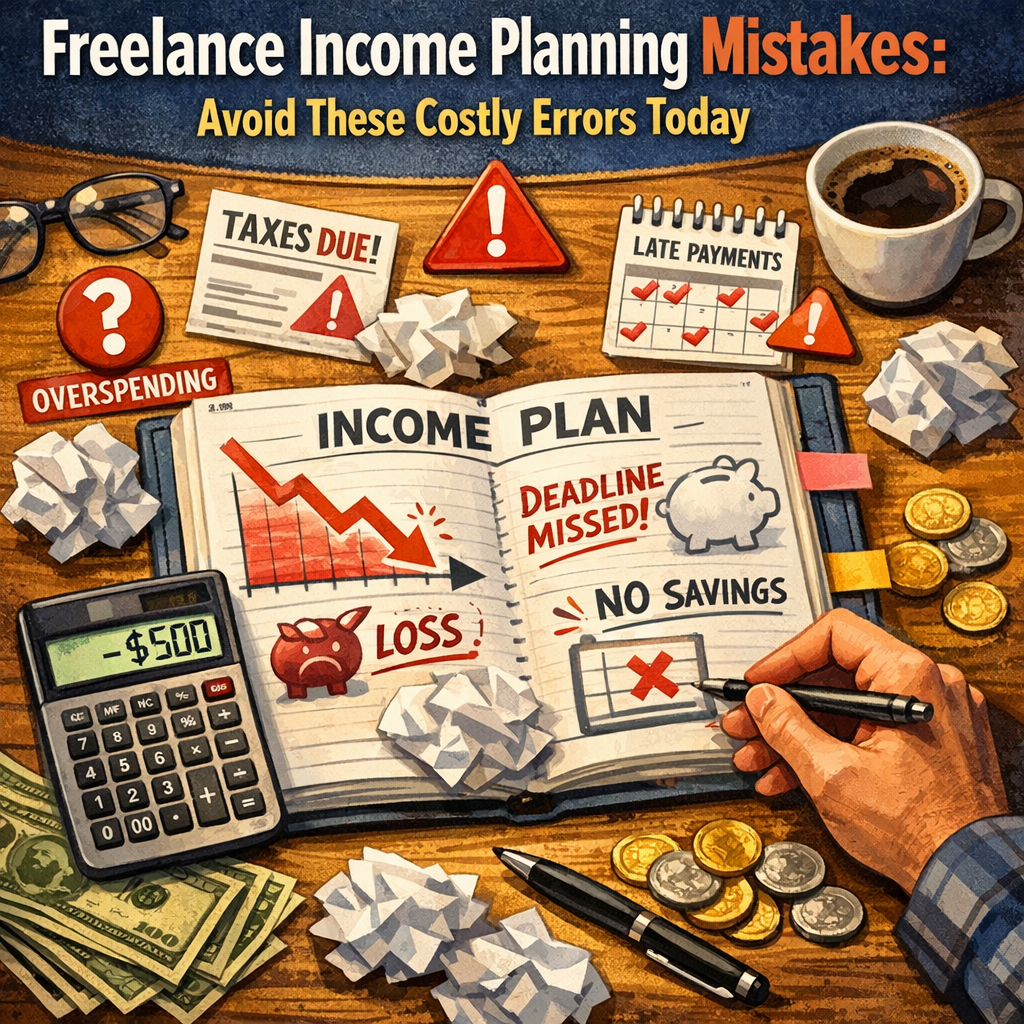
Unlike traditional 9-to-5 jobs with predictable paychecks, freelancing income often varies month to month. This variability makes it essential for freelancers to adopt disciplined financial planning strategies. Without proper income planning, you risk cash flow problems, missing tax deadlines, and even burnout from financial stress. Recognizing and correcting mistakes early can safeguard your freelance business and personal well-being.
Common Freelance Income Planning Mistakes to Avoid
1. Not Setting Aside Money for Taxes
One of the most common freelance income planning mistakes is failing to reserve enough money for taxes. Unlike salaried employees, freelancers are responsible for paying quarterly estimated taxes, which include both income tax and self-employment tax.
Why this is a problem: Waiting until tax season to make payments often results in penalties or large sums owed that are difficult to pay at once.
Freelance income planning tip: Calculate an estimated tax percentage from each payment you receive and deposit it in a separate tax savings account immediately. Many recommend setting aside 25% to 30% of your freelance income to cover all taxes.
2. Ignoring Irregular Incomes and Expenses
Many freelancers mismanage cash flow by treating every month like a steady payday. They may spend freely during a lucrative month and struggle when clients pay slowly or projects dry up.
Why this is a problem: Poor cash flow management can derail important financial obligations, lead to debt, or force you to cancel essential expenses.
Freelance income planning tip: Track your income and expenses meticulously. Build a buffer or emergency fund that covers at least three to six months of living costs, providing peace of mind during lean periods.
3. Failing to Budget for Business Expenses
Freelancers often forget to factor in costs such as software subscriptions, equipment, office space, and marketing when planning their income.
Why this is a problem: Overlooking business expenses can lead to underpricing your services or unexpected cash shortfalls.
Freelance income planning tip: Create a dedicated freelance business budget separate from your personal finances. Factor in all fixed and variable costs to determine your minimum necessary monthly income.
4. Not Diversifying Income Streams
Relying on one or two clients or types of work makes your freelance income fragile. Losing a client or experiencing industry downturns can leave you without income.
Why this is a problem: A lack of diversification increases financial risk and stress.
Freelance income planning tip: Explore multiple income sources—such as different clients, passive income, digital products, or consulting—to create a more stable financial base.
5. Overlooking Retirement Savings
The absence of employer-sponsored retirement plans requires freelancers to proactively save for their future.
Why this is a problem: Without retirement planning, freelancers may face financial insecurity in their later years.
Freelance income planning tip: Research and open retirement accounts suitable for freelancers, such as SEP IRAs or Solo 401(k) plans, and contribute regularly, even if in small amounts.
Essential Freelance Income Planning Tips for Success
Track Your Income and Expenses with Tools
Modern budgeting apps, spreadsheets, or accounting software designed for freelancers can simplify income tracking and tax estimation. Consistent tracking helps identify spending habits and optimize financial decisions.
Plan for Slow Months with an Emergency Fund
Set aside a financial cushion that can cover expenses when client payments are delayed or projects are scarce. This fund reduces stress and helps maintain stability.
Price Your Services Realistically
Use your income and expense data to assess whether your pricing covers all costs and desired profits. Adjust rates periodically to reflect market demand and your growing skills.
Automate Your Savings
Use automatic transfers to move a percentage of your income into savings accounts for taxes, emergencies, and retirement. Automation reduces the temptation to spend and ensures funds accumulate steadily.
Seek Professional Financial Advice
If possible, consult with an accountant or financial planner familiar with freelancing. They can help you optimize tax strategies, set realistic budgets, and plan for long-term financial goals.
Conclusion
Avoiding freelance income planning mistakes is critical to building a secure and prosperous freelance career. By learning from common errors and embracing practical freelance income planning tips, you empower yourself to focus more on your craft and less on financial worry. Remember, disciplined planning is the foundation of freelance freedom—start today to protect your tomorrow.