How to Improve Meal Planning on a Budget: Must-Have Affordable Tips
Learning how to improve meal planning on a budget is an essential skill for anyone looking to save money while still enjoying nutritious and delicious meals. Meal planning not only helps in reducing food waste but also streamlines grocery shopping, making it easier to stick to a budget. Whether you’re a busy professional, a student, or managing a household, incorporating smart meal planning strategies can transform your culinary routine without breaking the bank.
In this article, we’ll explore practical, affordable tips that anyone can implement to make the most out of their meal planning efforts. From strategic grocery shopping to smart cooking techniques, these insights will empower you to improve meal planning on a budget effectively.
Understand the Basics: Why Meal Planning Matters for Budgeting
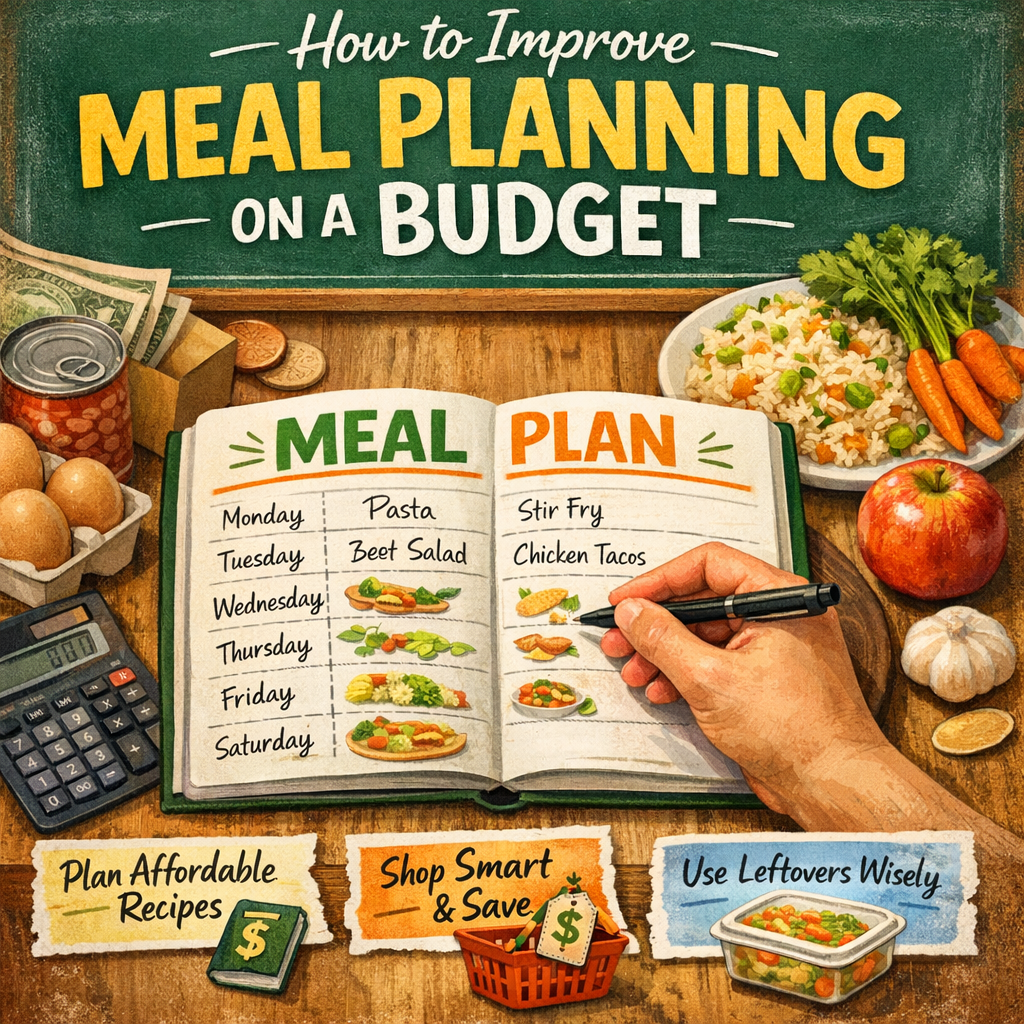
Before diving into specific tips, it’s important to recognize why meal planning plays a key role in managing expenses. Without a plan, people often end up making impulsive purchases, ordering takeout, or wasting food, all of which add up quickly. By planning meals ahead, you gain control over what you buy and how you use it – leading to cost savings and less waste.
How to Improve Meal Planning on a Budget: Key Tips
1. Start with a Weekly Menu
Creating a simple weekly menu is one of the easiest ways to improve meal planning on a budget. Outline breakfasts, lunches, dinners, and snacks for the week. This allows you to shop specifically for the ingredients you need, minimizing impulse buys. Be sure to:
– Choose meals with overlapping ingredients to maximize usage.
– Incorporate affordable staples like rice, beans, eggs, and seasonal vegetables.
– Include at least one or two “leftover” meals to use up any extra portions.
2. Make a Detailed Grocery List and Stick to It
Once your menu is set, create a detailed grocery list. This step helps you resist impulse purchases, which often lead to overspending. Organize the list by store sections (produce, dairy, pantry, etc.) to make shopping efficient as well. If you’re shopping on a tight budget, check store flyers or apps for discounts and sales that align with your meal plan.
3. Embrace Batch Cooking and Freezing
Batch cooking can save money by reducing the need to order takeout or buy expensive convenience foods. Prepare larger quantities of meals and freeze portions for future use. Meals like soups, stews, casseroles, and pasta dishes freeze well and can be thawed easily. This approach not only stretches your food dollars but also saves valuable time on busy days.
4. Buy in Bulk and Choose Store Brands
To further improve meal planning on a budget, buying in bulk is a smart strategy, especially for pantry items like grains, beans, nuts, and spices that have a long shelf life. Additionally, opting for store-brand products rather than name brands can yield significant savings without sacrificing quality.
5. Plan Around Seasonal Produce
Seasonal fruits and vegetables tend to be more affordable and fresher than out-of-season options. Planning your meals to take advantage of what’s in season maximizes nutrition and taste while saving money. For example, summer tomatoes and zucchini can inspire different recipes than winter root vegetables.
6. Avoid Waste by Using Leftovers Creatively
Food waste can derail your budget quickly. Learn to improve meal planning on a budget by using leftovers creatively. Turn roasted vegetables into soups, stale bread into croutons, or leftover rice into stir-fries. Keeping leftover meals visible in your fridge with labels and dates helps ensure they get eaten before spoiling.
7. Limit Expensive Convenience Foods
Convenience foods like pre-cut veggies, ready-made sauces, and snack packs can add up. Although they save time, making these components yourself at home is typically cheaper. For example, buy whole vegetables and chop them yourself or prepare your own salad dressings. These small steps add up significantly over time.
Additional Tips to Track and Adjust Your Meal Planning
Improving meal planning is a dynamic process. Consider tracking your meal costs and leftovers for a few weeks to identify patterns and areas for improvement. Apps and spreadsheets can help you monitor spending and adjust portions or meal choices accordingly.
Staying flexible also allows you to take advantage of unexpected sales or incorporate ingredients that are about to expire. Over time, these habits build confidence and efficiency in meal planning, further stretching your budget.
Conclusion
Mastering how to improve meal planning on a budget is about smart preparation, mindful shopping, and creative cooking. By structuring your meals ahead, shopping strategically, and reducing waste, you can enjoy tasty, nutritious food while keeping your expenses under control. With these affordable tips, meal planning doesn’t have to be a chore – instead, it becomes a powerful tool to manage your finances and nourish yourself and your family effectively. Start small, stay consistent, and watch your meal planning skills grow while saving money!