Retirement Planning Checklist: Your Must-Have Guide for a Smooth Retirement Plan
A retirement planning checklist is an essential tool for anyone aiming to transition into their golden years with confidence and financial security. Without a clear plan, it’s easy to overlook critical steps that could ensure your retirement is comfortable, stress-free, and fulfilling. Creating a well-rounded retirement planning plan means preparing not only financially but also emotionally and practically for a new chapter in life.
In this comprehensive guide, we’ll walk you through the key milestones that will help you build a robust retirement planning checklist tailored to your unique goals and circumstances.
Why You Need a Retirement Planning Checklist
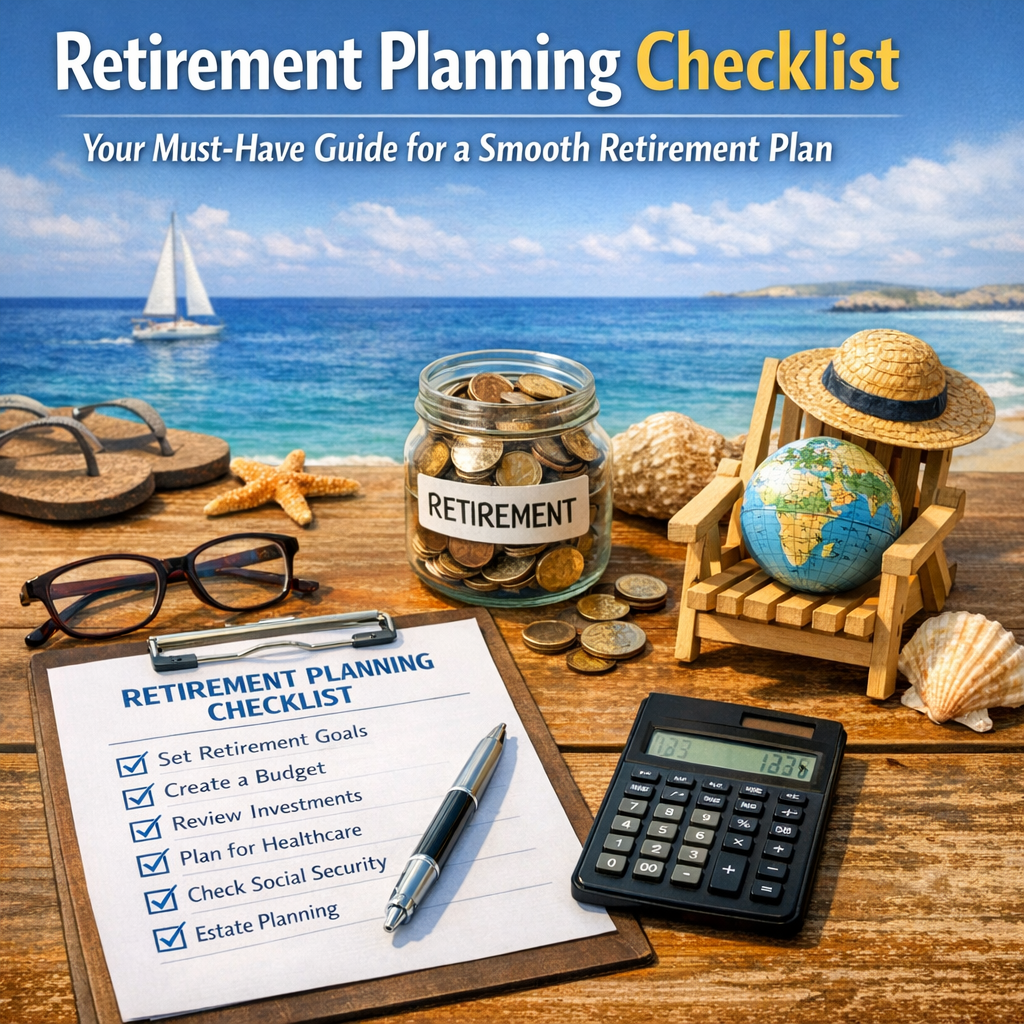
Retirement planning isn’t just about saving money—it’s about creating a roadmap that ensures your retirement years are spent enjoying the lifestyle you want without financial worries. A checklist helps you:
– Organize your financial assets and liabilities
– Assess your retirement goals realistically
– Identify gaps in your current savings or investment strategy
– Plan for unexpected health or long-term care expenses
– Stay on track with legal and estate planning
By having a clear checklist, you keep your retirement planning plan actionable and measurable.
Key Components of Your Retirement Planning Checklist
1. Set Your Retirement Goals and Timeline
Start by defining what retirement means to you. Think about:
– At what age do you want to retire?
– What kind of lifestyle do you envision? Traveling, hobbies, part-time work, or relocation?
– How many years you expect to spend in retirement
Setting clear and realistic goals sets the foundation for your retirement planning plan.
2. Evaluate Your Current Financial Situation
Take stock of:
– Your current income streams and expenses
– Total savings and investments (401(k)s, IRAs, pensions)
– Debts and liabilities
– Insurance coverage (health, life, long-term care)
Understanding your net worth will give you a snapshot of where you stand and help identify areas needing improvement.
3. Estimate Your Retirement Expenses
Retirement expenses will differ from your current expenses. Typically, housing and commuting costs may decrease, but healthcare and leisure activities might increase. Use your estimated annual expenses to calculate how much income you will need to sustain your desired lifestyle.
4. Maximize Retirement Contributions and Savings
Make sure you’re contributing enough to retirement accounts to meet your goals. Take advantage of employer matching, catch-up contributions if you’re over 50, and diversify investments appropriately based on your risk tolerance.
Regularly reviewing and adjusting your savings rate keeps your retirement plan on course.
5. Understand and Plan for Social Security Benefits
Familiarize yourself with Social Security rules, including:
– When to start claiming benefits
– How benefits amount changes with early or late retirement
– Spousal and survivor benefits options
Deciding the optimal time to take benefits can significantly impact your retirement income.
6. Create a Tax-Effective Withdrawal Strategy
When it’s time to retire, the way you withdraw funds can affect how much money lasts and how much tax you pay. A well-thought-out strategy may involve:
– Drawing down taxable accounts first, then tax-deferred accounts
– Utilizing Roth accounts strategically
– Managing Required Minimum Distributions (RMDs)
This step is frequently overlooked but crucial for financial longevity.
7. Plan for Healthcare and Long-Term Care Costs
Healthcare often becomes one of the largest expenses after retirement. Include Medicare enrollment dates in your checklist and explore supplemental insurance options. Additionally, plan for potential long-term care needs, whether through insurance or savings.
8. Update Estate Planning Documents
Review or create essential documents, such as:
– Wills and trusts
– Powers of attorney
– Healthcare directives
Ensuring these are up to date protects your assets and ensures your wishes are respected.
9. Consider Lifestyle and Emotional Preparation
Retirement is a significant life transition. Planning how you will spend your time, maintain social connections, and pursue new interests is vital for mental and emotional well-being.
Tips for Staying on Track with Your Retirement Planning Plan
– Review your retirement planning checklist annually or when major life events occur
– Seek advice from financial planners for personalized guidance
– Use retirement calculators and budgeting tools to refine projections
– Communicate your plan with family members to manage expectations
Final Thoughts: Your Path to a Smooth Retirement
Creating and following a retirement planning checklist ensures you don’t overlook important steps in your path to retirement. By actively managing your finances, health, and life goals, you build a resilient retirement planning plan that adapts to changing circumstances.
Start today by drafting your checklist — your future self will thank you for the peace of mind and freedom that comes from thoughtful, proactive retirement preparation.