Tax Saving Tips Checklist: Your Must-Have Plan for Effortless Savings
When it comes to managing your finances, few things are as crucial—and often as overlooked—as effective tax planning. A well-thought-out tax saving tips checklist can transform your approach to taxes, turning a potentially stressful season into an opportunity for significant financial gain. Whether you’re a salaried professional, a freelancer, or a business owner, having a structured tax saving tips plan ensures you’re not missing out on deductions, exemptions, or credits that could lower your tax liability easily.
In this article, we’ll walk you through a comprehensive, actionable tax saving tips checklist to help you plan your tax strategy effortlessly and optimize your savings for the long term.
Why a Tax Saving Tips Checklist is Essential
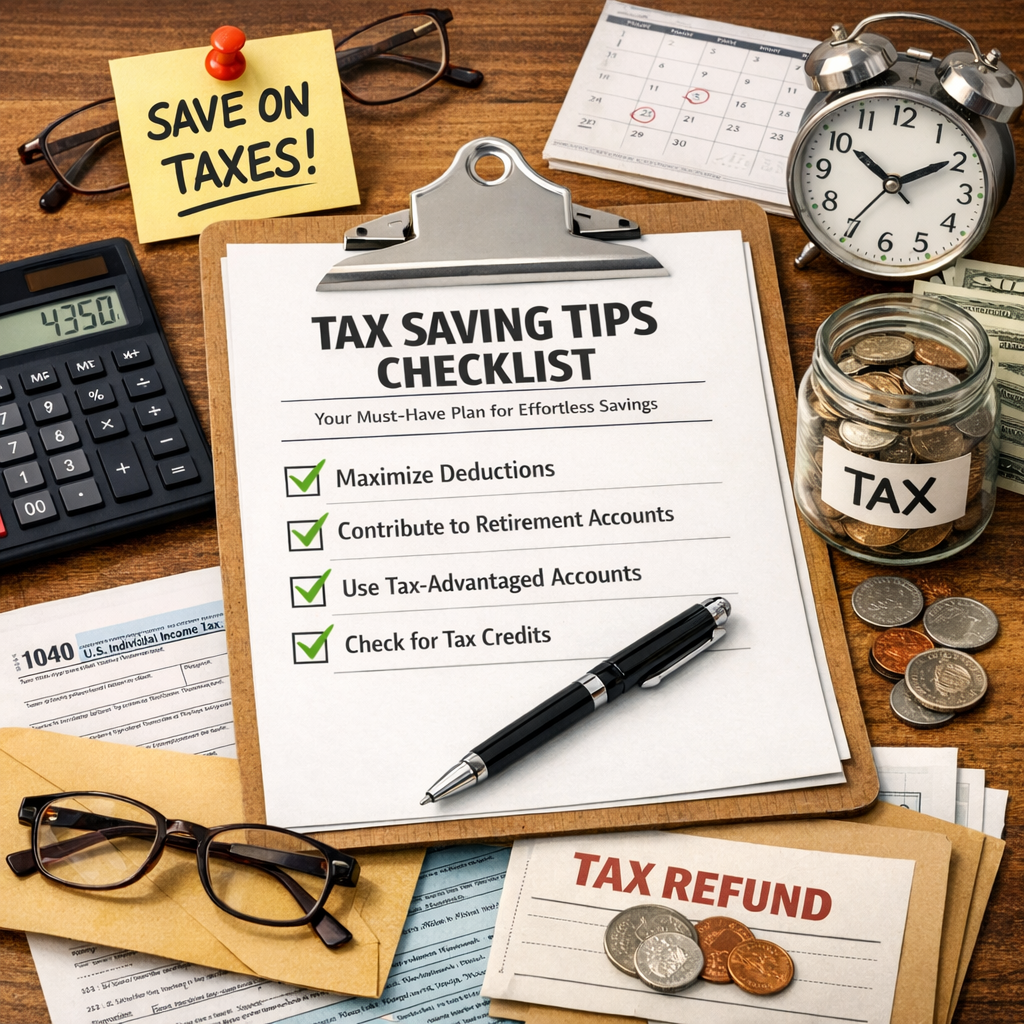
Tax laws change frequently, and staying updated on what applies to your unique situation can be overwhelming. A personalized tax saving tips plan helps you keep track of relevant tax-saving options, deadlines, and necessary documentation. Moreover, it encourages a proactive rather than reactive approach, reducing the risk of last-minute scrambling or missed opportunities.
By using a checklist, you can systematically evaluate every potential deduction and exemption, ensuring you benefit from all legal ways to cut your tax bill.
Key Components of Your Tax Saving Tips Checklist
1. Review and Organize Income Sources
Your checklist should start with a clear breakdown of all income sources—salary, freelance work, rental income, dividends, interest, and capital gains. Accurate income tracking is vital because it determines which tax slabs and exemptions apply to you.
2. Maximize Deductions Under Section 80C and Beyond
Most taxpayers rely heavily on deductions under section 80C, which allows up to ₹1.5 lakhs per year in savings on investments such as:
– Employee Provident Fund (EPF)
– Public Provident Fund (PPF)
– National Savings Certificate (NSC)
– Equity-Linked Savings Scheme (ELSS)
– Life Insurance Premiums
– Principal repayment on home loan
But don’t stop here—consult your checklist for other valuable deductions like:
– Section 80D for health insurance premiums
– Section 80E for interest on education loans
– Section 24(b) for home loan interest (₹2 lakhs per annum deduction for self-occupied property)
– Donations under Section 80G
3. Plan Investments with Tax Benefits in Mind
A smart tax saving tips plan integrates your investment decisions with tax-saving goals. For instance, investing in ELSS funds not only offers deduction benefits but also the potential for wealth creation over time. Similarly, National Pension System (NPS) investments qualify for an additional deduction, beyond 80C limits, encouraging retirement savings while trimming your taxable income.
4. Claim All Eligible Allowances and Expenses
Salaried employees can often overlook allowances such as house rent allowance (HRA), leave travel allowance (LTA), and professional tax deductions. Ensure your checklist includes steps to submit proofs and claims for these allowances properly. For freelancers or business owners, documenting business expenses that are deductible can substantially reduce taxable income.
5. Use Tax Benefits on Loans Wisely
Home loans provide multiple avenues for tax savings. Not only is the principal component eligible for deduction under Section 80C, but the interest component also qualifies for deduction under Section 24(b). Additionally, education loans offer interest deduction benefits for up to eight years under Section 80E.
6. Don’t Forget About Capital Gains Exemptions
If you’ve sold assets like property, stocks, or mutual funds, understanding capital gains tax and exemptions is key. For example, reinvesting sale proceeds of a residential property into another property or certain bonds can defer or reduce your capital gains tax liability.
7. Maintain Proper Documentation
A foolproof tax saving tips checklist reminds you to keep all relevant documents organized and accessible. Receipts, investment proofs, insurance policies, rent receipts, and loan statements are essential when filing or during audits. This organization eliminates last-minute stress and verifies claims efficiently.
8. Review Tax Changes Annually
Tax regulations are dynamic. Your checklist should include a yearly review to adapt your tax saving tips plan to any changes in laws, rates, or new schemes announced in the budget.
Putting Your Tax Saving Tips Plan Into Action
Creating a checklist is just the beginning—consistent implementation is what makes it effective. Consider using digital tools or apps to track deadlines and reminders. Engaging with a tax consultant can also enhance the plan’s accuracy and effectiveness, particularly if your finances involve multiple income streams or investments.
Starting early during the financial year allows you the flexibility to adjust your investments or expenses to optimize benefits thoroughly, rather than scrambling at the end of the year.
Final Thoughts
A carefully crafted tax saving tips checklist is your roadmap to effortless tax savings. By systematically reviewing your income, investments, eligible deductions, and exemptions, you set yourself up for reduced tax liability and greater financial control. Remember, the best tax saving tips plan is one that is proactive, personalized, and reviewed regularly.
Embrace this checklist approach and pave the way for smarter financial planning—saving on taxes while building a stronger economic future for yourself.