What to Know About Emergency Funds: The Ultimate Must-Have Guide
When it comes to financial stability, one of the most important yet often overlooked elements is having a reliable emergency fund. Understanding what to know about emergency funds is crucial for everyone, whether you’re starting your financial journey or looking to strengthen your existing financial cushion. This comprehensive guide will walk you through everything you need to know about building, maintaining, and using an emergency fund wisely.
Why Are Emergency Funds Essential?
Unexpected expenses are an unavoidable part of life. Whether it’s a medical emergency, car repairs, sudden job loss, or urgent home maintenance, these unplanned costs can disrupt your financial well-being dramatically. Without an emergency fund, you might have to rely on credit cards or loans, which can create long-term debt.
An emergency fund acts as a financial safety net, ensuring you can cover unexpected expenses without jeopardizing your day-to-day living or future savings goals. It provides peace of mind and financial flexibility, allowing you to navigate life’s surprises with confidence.
What to Know About Emergency Funds: The Basics
What Exactly is an Emergency Fund?
An emergency fund is a separate savings account set aside specifically for unexpected expenses or financial emergencies. It’s distinct from your regular savings or investment accounts, ensuring the money is easily accessible in times of need without risking your long-term financial goals.
How Much Should You Save?
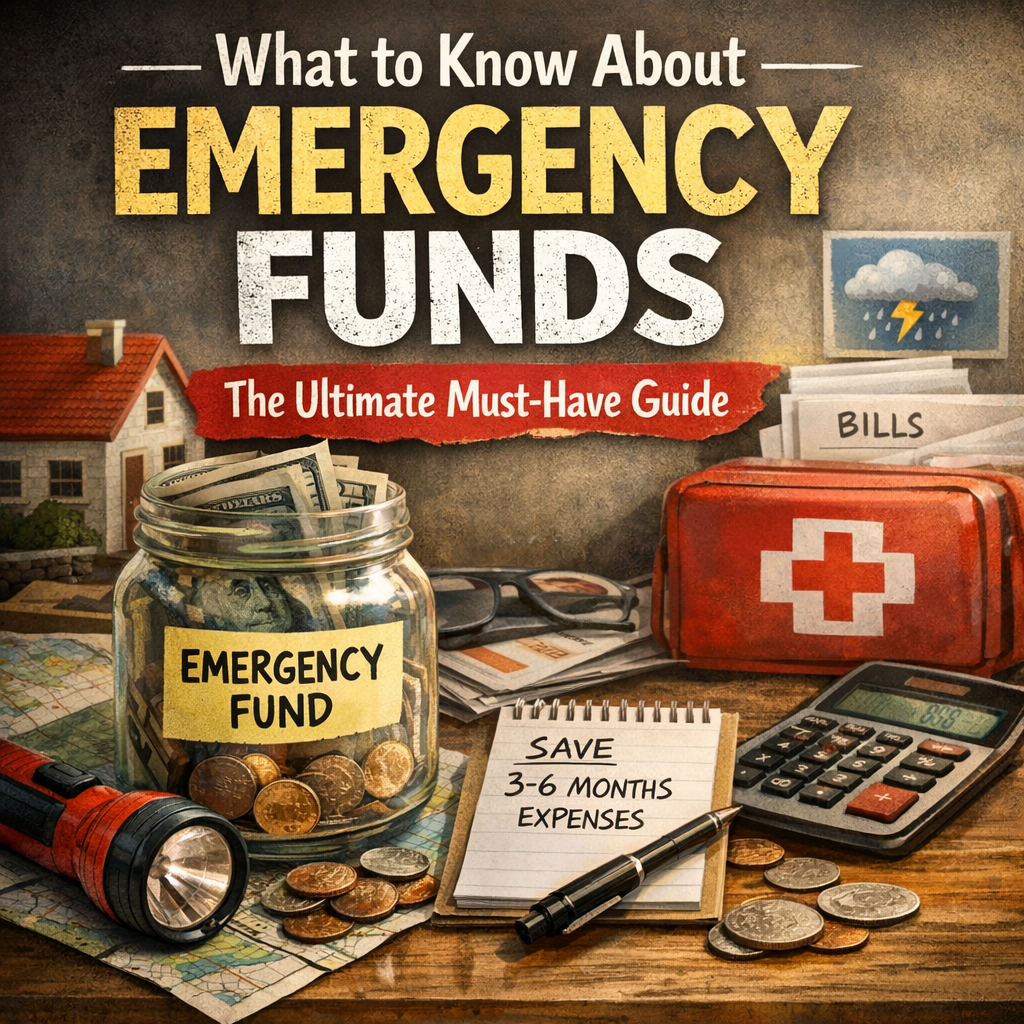
One common question in any emergency funds guide is the amount you need. Financial experts typically recommend saving three to six months’ worth of living expenses. This range gives you enough coverage to manage temporary unemployment or major unexpected costs. However, the exact amount depends on your personal situation, including:
– Job security and income stability
– Number of dependents
– Health conditions
– Monthly expenses and debt obligations
For some people, having even one month’s worth of expenses saved is better than nothing, while others might prefer a larger cushion if their income is unpredictable.
How to Build Your Emergency Fund
1. Set a Realistic Goal
Start by calculating your monthly essential expenses—this includes rent or mortgage, utilities, groceries, transportation, insurance, and minimum debt payments. Multiply this number by the number of months you feel comfortable having as a safety net, then set your savings goal.
2. Create a Separate Savings Account
To avoid the temptation of dipping into your emergency fund for everyday expenses, keep this money in a separate savings or money market account. Look for accounts with no withdrawal fees and competitive interest rates to maximize your savings.
3. Automate Your Savings
One of the easiest ways to grow your emergency fund is setting up automatic transfers from your checking to your savings account. Even small weekly or monthly deposits will add up over time without you having to think about it.
4. Cut Back & Reallocate
Identify non-essential expenses you can reduce temporarily, such as dining out or subscription services. Redirecting this money into your emergency fund helps you reach your goal faster.
When to Use Your Emergency Fund
It’s equally important to know when to tap into your emergency savings. Ideally, use it only in true emergencies—situations that are unexpected, urgent, and necessary to pay for, such as:
– Medical emergencies or health-related expenses
– Unplanned car or home repairs
– Temporary job loss or income disruption
– Essential travel due to a family crisis
Avoid using the emergency fund for routine expenses or non-urgent spending so your safety net remains intact.
How to Rebuild Your Emergency Fund After Using It
Using your emergency fund doesn’t mean financial failure. If you have to withdraw from it, immediately create a replenishment plan. Resume your automatic savings contributions and prioritize building it back up to your target level as soon as possible.
Emergency Funds Guide: Common Mistakes to Avoid
– Not having an emergency fund at all: This leaves you vulnerable to debt and financial stress.
– Using the fund for non-emergencies: This erodes your financial safety net.
– Keeping the fund in an inaccessible account: Avoid tying your emergency money in long-term investments that can’t be accessed quickly.
– Setting unrealistic savings goals: Start small and build over time instead of getting discouraged.
Final Thoughts on What to Know About Emergency Funds
Knowing what to do with your emergency funds and how to manage them effectively is a cornerstone of sound financial planning. Starting an emergency fund might feel challenging, but the peace of mind and security it affords is invaluable. Remember, an emergency fund is not just a savings account; it’s your financial lifeline during uncertain times.
By following this emergency funds guide, you establish a solid foundation that can protect you from unexpected setbacks and help you maintain control over your financial future. So start today—your future self will thank you.