What to Know About Family Budget Planning: The Ultimate Must-Have Guide
Family budget planning is an essential skill that helps households maintain financial stability, achieve goals, and reduce stress. For many, managing money can feel overwhelming, especially when balancing expenses like groceries, bills, education, and entertainment. Understanding what to know about family budget planning can transform the way your family approaches finances, leading to smarter decisions and a more secure future.
In this ultimate must-have guide, we break down the key elements of family budget planning and offer practical advice to help you take control of your family’s finances.
Why Family Budget Planning Matters
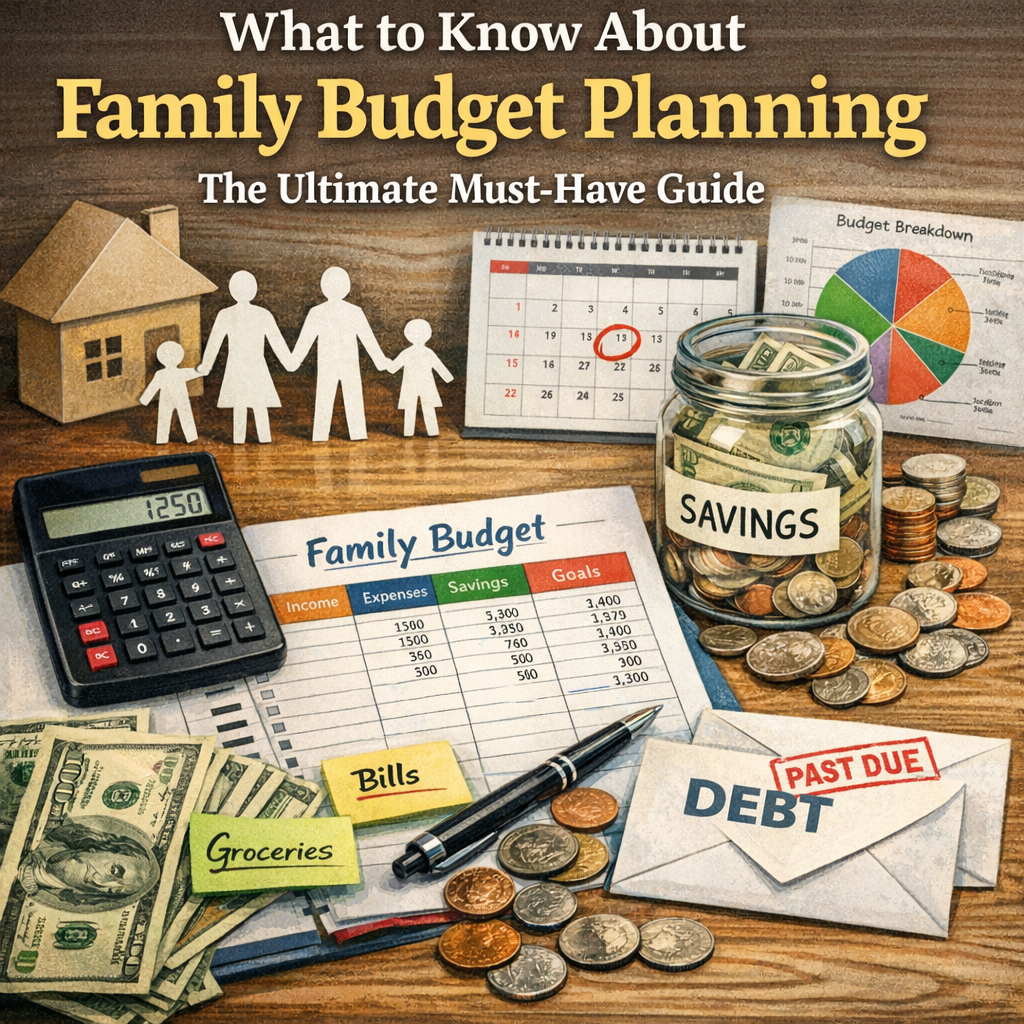
Before diving into the specifics, it’s important to recognize why family budget planning is so critical. A budget acts as a roadmap, helping you allocate your income efficiently across spending categories while managing savings and debt payments. Without a clear budget, families risk overspending, accruing debt, or missing out on important financial opportunities.
Moreover, budgeting fosters transparency and cooperation among family members. It encourages open discussions about financial priorities and can help align everyone’s expectations and goals. Whether it’s saving for a vacation, buying a home, or funding college education, a solid plan ensures the entire family is on the same page.
Key Components of Family Budget Planning
Understanding what to know about family budget planning begins with recognizing its core components:
1. Assess Your Income and Expenses
Start by calculating your total household income, including salaries, freelance work, investments, or any other sources. Then, track your monthly expenses carefully, breaking them into fixed costs (rent/mortgage, utilities, loan payments) and variable expenses (groceries, fuel, entertainment).
Accurate tracking provides a realistic overview of your cash flow and identifies where adjustments are necessary.
2. Set Clear Financial Goals
A family budget planning guide always emphasizes the importance of goal-setting. Financial goals give your budget purpose and motivation. These goals may include:
– Building an emergency fund
– Paying off credit card debt
– Saving for children’s education
– Planning a family vacation
– Investing for retirement
Define achievable timelines for each goal and prioritize them accordingly.
3. Create a Spending Plan
Once you understand your income and expenses and have set goals, design a monthly spending plan. Allocate funds to essential categories, such as housing, food, transportation, healthcare, and education, while also considering discretionary spending.
Use the popular 50/30/20 rule as a starting point: spend 50% of income on needs, 30% on wants, and allocate 20% towards savings and debt repayment. Adjust this ratio to suit your family’s unique circumstances.
4. Involve the Entire Family
Family budget planning is most effective when all members are engaged. Involve your children in age-appropriate financial discussions and teach them the value of money management. This inclusion builds financial literacy and creates a sense of responsibility.
Regular family meetings to review the budget and expenses help maintain accountability and encourage open communication.
Tips for Successful Family Budgeting
To complement the family budget planning guide, here are actionable tips that can enhance your budgeting journey:
– Use Budgeting Tools: Download mobile apps or software that simplify tracking expenses and budgeting, such as Mint, YNAB (You Need A Budget), or EveryDollar.
– Plan for Irregular Expenses: Set aside funds monthly for irregular but recurring costs like insurance premiums, holiday gifts, or car maintenance.
– Build an Emergency Fund: Aim to save at least three to six months’ worth of living expenses to safeguard against unexpected financial setbacks.
– Cut Unnecessary Expenses: Identify recurring expenditures that add little value and consider scaling back, such as subscriptions, dining out, or impulse purchases.
– Review and Adjust Regularly: Your family’s financial situation and goals may change over time. Review your budget monthly or quarterly and make necessary adjustments.
Overcoming Common Budgeting Challenges
Many families face obstacles when implementing a budget. Here are some common challenges and how to overcome them:
– Inconsistent Income: If your household income fluctuates, base your essential expenses on your lowest earning months and direct surplus income toward savings.
– Disagreements on Spending: Conflicts over money are common. Establish shared financial priorities and maintain honest communication to avoid misunderstandings.
– Lack of Discipline: Stay motivated by tracking progress towards your goals visually, celebrating milestones, and reminding everyone why budgeting matters.
The Bottom Line
Knowing what to know about family budget planning empowers you to make thoughtful decisions and build financial security. With a well-structured plan, the entire family benefits—from reducing money stress to achieving meaningful goals together.
By assessing your finances, setting clear objectives, involving all family members, and remaining flexible, you create a sustainable budget that supports your family’s needs and dreams. Use this family budget planning guide as your foundation, and take the first steps today toward a brighter, financially confident future for your household.